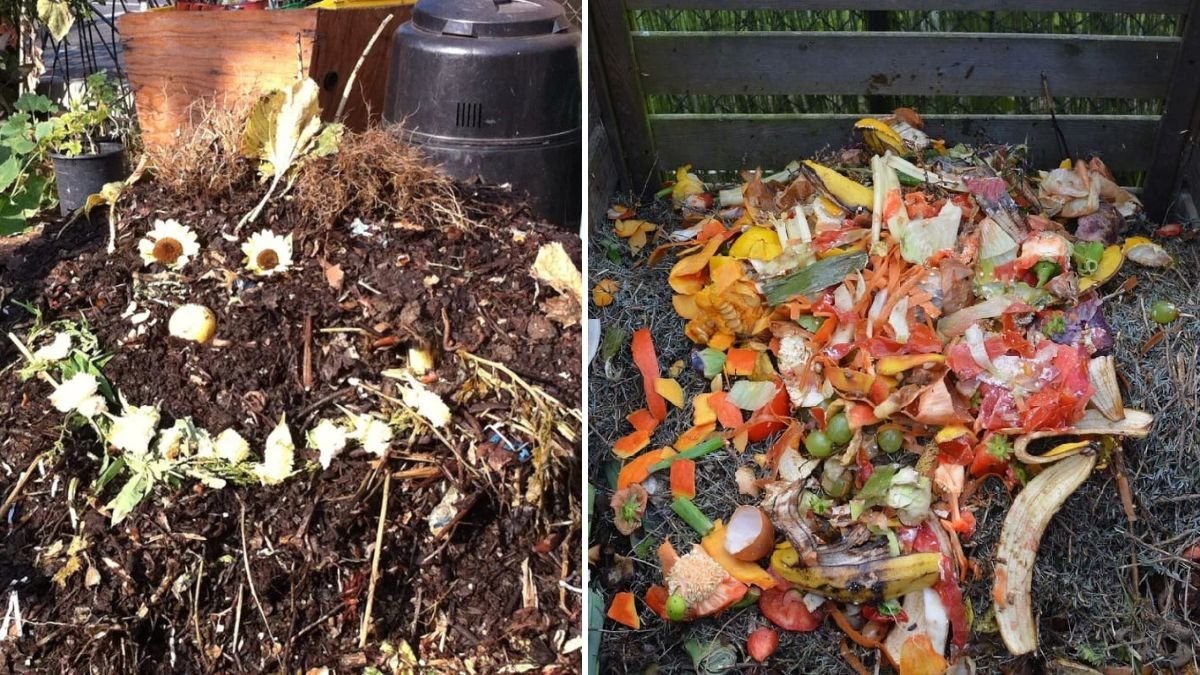
Composting transforms organic waste into nutrient-rich soil amendment. It reduces kitchen and garden waste. Compost improves soil fertility and structure. It encourages beneficial microbes. Healthy soil supports stronger plant growth. Compost reduces the need for chemical fertilizers. Regular use increases moisture retention in soil. Cost-effective and sustainable, it benefits both plants and the environment. A well-maintained compost bin accelerates decomposition. Anyone can start composting at home. This guide explains creating and maintaining a simple compost bin.
1. Understanding Composting Basics
Composting is a natural process where organic materials decompose. Microorganisms break down kitchen scraps and garden waste. Heat, moisture, and aeration accelerate the process. Resulting compost is dark, crumbly, and nutrient-rich. Compost improves soil aeration and water retention. It reduces plant stress. Avoid adding meat, dairy, or oily foods. Correct balance ensures fast decomposition. Understanding basics prevents mistakes.
2. Benefits of Composting
Compost enriches soil naturally. Reduces waste in landfills. Promotes healthy plant growth. Enhances soil structure. Supports beneficial microorganisms. Improves drainage and aeration. Cost-effective alternative to chemical fertilizers. Encourages sustainable gardening. Reduces garden pests. Eco-friendly and easy to implement.
3. Selecting a Location for Your Compost Bin
Choose a well-drained area. Partial shade prevents overheating. Close to water source for easy moisture control. Accessible for turning compost. Avoid areas near food preparation zones. Keep bin away from high-traffic paths. Ensure level ground. Proper location ensures effective decomposition. Convenient access improves maintenance.
4. Materials Needed for a Compost Bin
Wooden planks, recycled pallets, or plastic containers work well. Drill or hammer to secure sides. Wire mesh prevents pests. Compost aerator or stick to turn waste. Gloves for hygiene. Thermometer optional to monitor temperature. Choose durable materials. Recyclable materials support sustainability. Basic tools make assembly simple.
5. Types of Compost Bins
Stationary bins are simple and durable. Tumbling bins speed up decomposition. Open piles are flexible but less controlled. Multi-chamber bins allow continuous composting. Choice depends on space, material, and convenience. Each type suits different gardeners. Understanding differences helps choose right bin. Efficiency varies by design. Select based on your needs.
6. Preparing the Base
Place compost bin on soil, not concrete. Allows drainage and airflow. Spread coarse material like sticks or straw. Prevents waterlogging. Supports aerobic decomposition. Base preparation improves bin function. Avoid compacted soil. Helps microbes thrive. Adds durability.
7. Adding Compostable Materials
Alternate green and brown layers. Green: vegetable scraps, grass clippings. Brown: dry leaves, cardboard, paper. Balance nitrogen and carbon. Prevents odor and attracts fewer pests. Layering accelerates decomposition. Moisture retention is better. Helps compost heat evenly. Encourages faster breakdown.
8. Maintaining Moisture Levels
Compost should be damp like a wrung sponge. Too dry slows decomposition. Too wet causes odor and rot. Water lightly if needed. Rain helps but monitor drainage. Proper moisture supports microbes. Balances decomposition speed. Consistency improves final compost quality.
9. Aerating Compost
Turn compost weekly with aerator or stick. Introduces oxygen for microbial activity. Prevents foul smell. Reduces compacting. Aeration ensures faster decomposition. Uniform breakdown of materials. Encourages heat retention. Essential for effective composting. Healthy soil microbes thrive.
10. Temperature Monitoring
Ideal compost temperature: thirty to sixty degrees Celsius. Higher temperature speeds decomposition. Too high may kill microbes. Thermometer helps monitor. Heat indicates active decomposition. Low temperature signals insufficient green materials. Proper balance ensures success. Adjust layers accordingly.
11. Troubleshooting Common Compost Problems
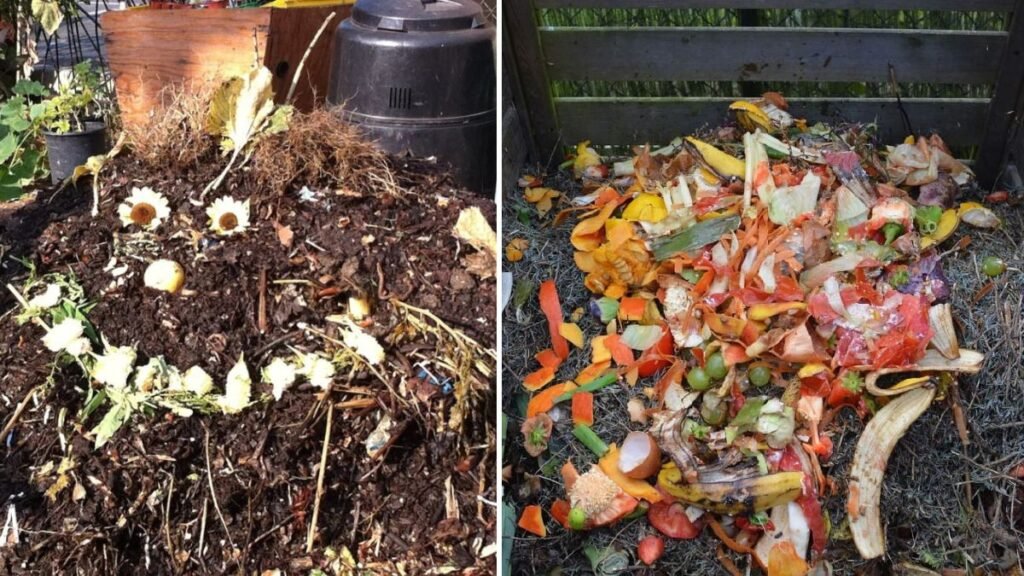
Odor indicates excess green material. Slow decomposition suggests insufficient aeration. Pests attracted to food scraps require covering. Moisture imbalance can be corrected with brown materials. Regular inspection prevents issues. Knowledge improves compost efficiency.
12. Harvesting Finished Compost
Compost ready when dark, crumbly, earthy smell. No visible scraps remain. Harvest from bottom for mature compost. Use sieve for fine texture. Store in cool, dry place. Timing ensures nutrient-rich soil. Apply gradually to plants. Improves growth effectively.
13. Using Compost in the Garden
Mix with soil before planting. Top-dress around existing plants. Supports vegetables, flowers, and fruit crops. Enhances microbial activity. Retains moisture. Reduces chemical fertilizer use. Increases yield. Strengthens plant roots. Promotes sustainable gardening.
14. Composting Kitchen Waste Only
Vegetable and fruit scraps ideal. Avoid meat, bones, dairy, oily foods. Prevents pests and odor. Focus on plant-based waste. Balanced feeding ensures decomposition. Simple and hygienic. Reduces garden contamination.
15. Composting Garden Waste Only
Grass clippings, fallen leaves, twigs. Woody material should be shredded. Prevents compaction. Supports aerobic decomposition. Ideal for seasonal maintenance. Encourages nutrient recycling. Reduces landfill waste. Complements soil naturally.
16. Seasonal Composting Tips
Summer: Monitor moisture, prevent drying. Winter: Insulate or cover bin. Adjust turning frequency. Seasonal care speeds decomposition. Protects microbes from extreme temperatures. Ensures year-round compost availability. Adapt care for consistent results. Seasonal adjustments improve quality.
17. DIY Compost Bin Enhancements
Add mesh cover to prevent pests. Use multiple chambers for continuous composting. Include drain holes for excess liquid. Paint or coat wooden bins for durability. Attach thermometer for monitoring. DIY enhancements improve convenience. Extend bin life. Simplify maintenance.
18. Sustainability and Environmental Impact
Composting reduces waste in landfills. Conserves resources. Improves garden soil naturally. Encourages eco-friendly lifestyle. Reduces chemical fertilizer dependency. Supports climate-friendly gardening. Small actions create significant impact. Eco-conscious approach benefits environment.
19. Educational and Community Benefits
Composting teaches children about sustainability. Community gardens benefit from shared compost. Promotes awareness about waste reduction. Encourages teamwork and learning. Gardening and composting together strengthens knowledge. Inspires responsible gardening habits. Builds eco-conscious communities. Enhances local biodiversity.
20. Final Thoughts on Creating a Compost Bin
Creating a compost bin is easy, cost-effective, and sustainable. Proper planning ensures success. Balancing green and brown materials accelerates decomposition. Regular maintenance yields nutrient-rich compost. Benefits extend beyond soil to environmental conservation. Even small spaces can implement bins. Anyone can start today for healthier plants. Sustainable gardening begins with compost. Composting empowers gardeners with self-sufficiency. It is an essential step toward a green future.
Table: Compost Bin Essentials
| Component | Recommendation | Benefit |
|---|---|---|
| Green Materials | Vegetable scraps, grass clippings | Nitrogen source |
| Brown Materials | Leaves, cardboard, paper | Carbon source |
| Moisture | Damp, sponge-like | Microbial activity |
| Aeration | Weekly turning | Faster decomposition |
| Container | Wood, pallets, plastic bin | Durability & structure |