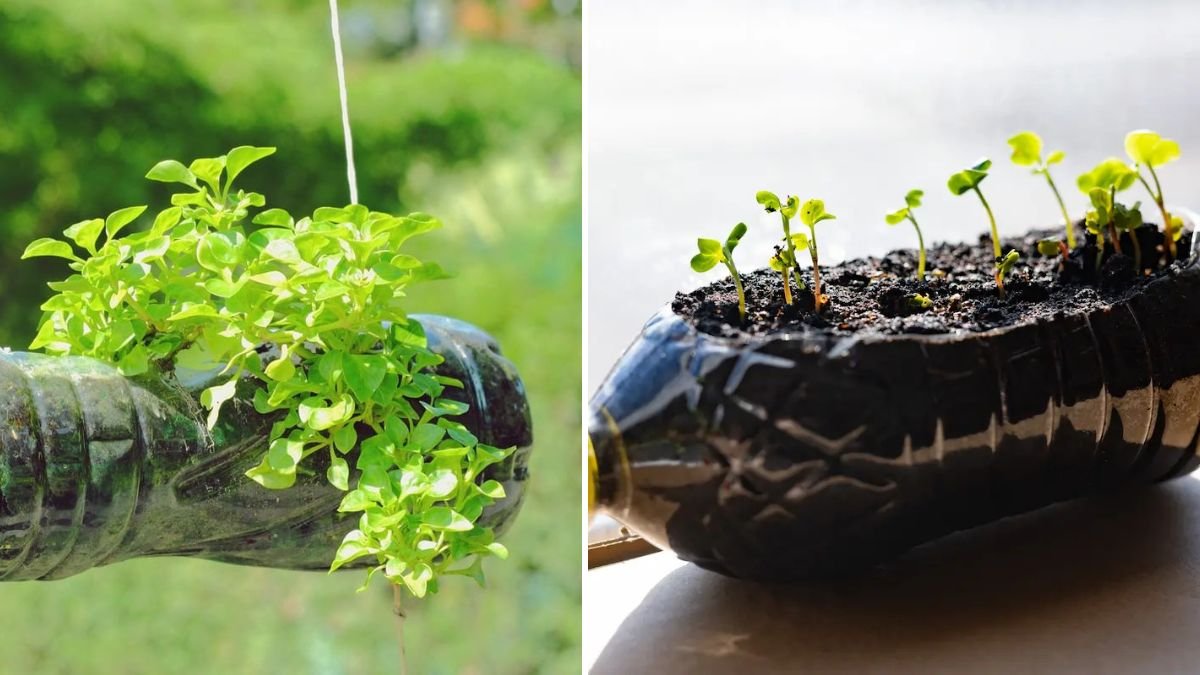
Sowing seeds is one of the most critical steps in gardening. Manual sowing can be slow and inconsistent. An improvised tool can make planting faster and more precise. These tools help place seeds at uniform depth and spacing. Efficiency improves germination rates. They also reduce soil disturbance. Budget-friendly homemade tools are easy to make. Beginners and experienced gardeners alike benefit from innovation.
Why Seed Sowing Tools Are Important
Seed sowing tools ensure proper planting depth. Seeds sown too shallow or too deep may fail to germinate. Even spacing prevents overcrowding. Tools reduce repetitive strain from manual planting. They save time when sowing large areas. Precision sowing improves crop yield. They are especially useful for small seeds. Efficient sowing sets the stage for healthy plants.
Materials Needed for an Improvised Sower
You can make sowing tools from everyday items. Plastic bottles, sticks, spoons, or cardboard tubes are common. Nails or pins help create holes for seeds. Recycled materials reduce cost. Lightweight materials are easier to handle. Tools can be adjusted for different seed sizes. Creativity allows multiple designs. Accessibility is key for DIY gardening tools.
Table: Common Materials for DIY Seed Sowers
| Material | Purpose | Benefit | Availability |
|---|---|---|---|
| Plastic bottle | Seed container | Lightweight and reusable | Easy |
| Stick | Handle | Easy grip | Very easy |
| Nail or pin | Hole creation | Controls seed size | Easy |
| Cardboard tube | Seed funnel | Guides seeds | Very easy |
Step-by-Step Guide to Making a Bottle Sower
Clean a plastic bottle thoroughly. Cut a small tip at the bottom. Make a pinhole for the seed to pass. Attach a stick or handle for better grip. Fill the bottle with seeds. Gently shake to dispense seeds uniformly. Adjust hole size for different seeds. Test before sowing in soil.
Alternative Sower Designs
A cardboard tube sower works well for light seeds. Punch small holes in a tube. Dip in seeds and let gravity drop them into soil. A spoon with holes can also serve as a sower. Custom designs suit different seed sizes. Adaptability is key. Homemade tools are inexpensive. Innovation encourages experimentation.
Preparing Soil Before Sowing
Proper soil preparation ensures successful germination. Loosen soil using a rake. Remove large clumps and debris. Add compost for nutrition. Moisten soil lightly. Smooth surface for even sowing. Prepared soil improves seed-soil contact. Uniform soil depth aids germination. Soil readiness complements sowing tools.
Using the Improvised Tool Effectively
Hold the tool perpendicular to the soil. Shake gently to release seeds. Move along rows for uniform spacing. Adjust pressure for different seed sizes. Avoid creating deep holes unintentionally. Keep consistent speed for better results. Practicing improves technique. Efficiency increases with use.
Controlling Seed Depth
Seed depth is crucial for germination. Small seeds need shallow planting. Larger seeds require deeper placement. Adjustable tips on DIY sowers help control depth. Test on soil before large-scale sowing. Correct depth prevents dry-out or rot. Depth uniformity ensures even germination. Adjust for soil type and moisture. Proper depth maximizes success.
Spacing Seeds Properly
Proper spacing prevents overcrowding. Overcrowded seedlings compete for nutrients. Measure intervals using markers or tape. Tools help maintain uniform gaps. Row spacing affects airflow and sunlight. Even spacing improves growth. Adjust for plant variety. Correct spacing boosts productivity.
Watering After Sowing
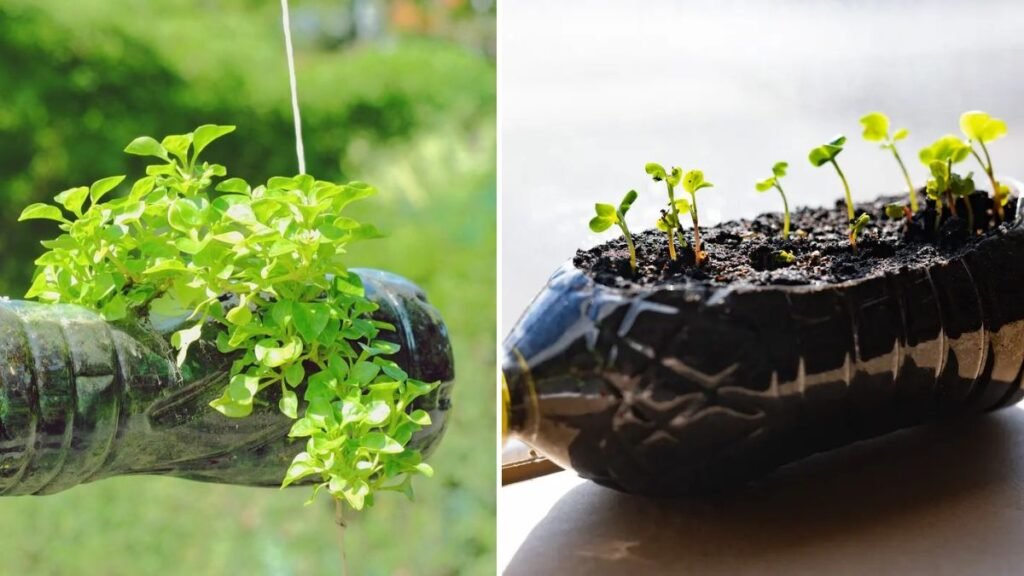
Watering immediately after sowing aids germination. Use gentle misting to avoid washing away seeds. Keep soil consistently moist but not waterlogged. Improvised tools prevent deep holes, reducing waterlogging. Monitor soil daily. Proper watering supports early growth. Mist lightly until seedlings emerge. Consistent care improves results.
Fertilizing Young Seedlings
Seedlings require gentle nutrition. Use diluted liquid fertilizer. Avoid strong doses for young plants. Compost tea or organic alternatives work well. Feed 2–3 weeks after germination. Balanced nutrients strengthen roots. Early nutrition promotes healthy growth. Fertilizer enhances survival rate.
Maintaining Seedbeds
Seedbeds need regular attention. Remove weeds immediately. Thin crowded seedlings if necessary. Monitor for pests like aphids. Adjust sunlight or shading. Maintain soil moisture consistently. Cleanliness prevents disease. Healthy beds ensure maximum germination.
Common Mistakes in Seed Sowing
Planting too deep or too shallow. Using uneven soil or poor seed-to-soil contact. Overcrowding seedlings. Watering too heavily or too little. Ignoring temperature and sunlight. Using inconsistent sowing techniques. Avoiding these mistakes improves outcomes. Consistency is key.
Benefits of Using an Improvised Tool
Improvised tools save time and effort. Reduce seed wastage. Improve germination uniformity. Encourage DIY creativity. Affordable and easy to make. Suitable for small and large gardens. Tools adapt to multiple seed types. Sustainable gardening is promoted.
Tips for Different Seed Sizes
Tiny seeds need fine holes. Medium seeds require moderate-sized openings. Large seeds may need spoon or funnel-based tools. Test hole sizes before sowing. Adjust spacing based on seed type. Customize tool for efficiency. Avoid damaging seeds. Flexibility ensures success.
Sowing Seeds in Raised Beds or Containers
Tools are effective in raised beds. Ensure soil is loosened. Containers also benefit from precision sowing. Tool prevents deep pockets. Easy for small-scale or urban gardening. Helps maintain order in container rows. Improvised sowers save labor. Versatile usage encourages adoption.
DIY Sower Maintenance
Clean tools after each use. Check for cracks or damage. Replace worn parts. Store in dry areas. Regular maintenance prolongs life. Keeps seed dispensing smooth. Avoid clogging holes. Well-maintained tools improve efficiency.
Conclusion
Improvised seed sowing tools make gardening more efficient. They save time, reduce waste, and improve germination. Materials are affordable and widely available. Easy-to-make tools suit beginners and experts. Combining proper soil preparation, watering, and maintenance ensures success. Seed sowing becomes faster and more accurate. DIY creativity enhances gardening experience. Efficient sowing improves overall crop production.