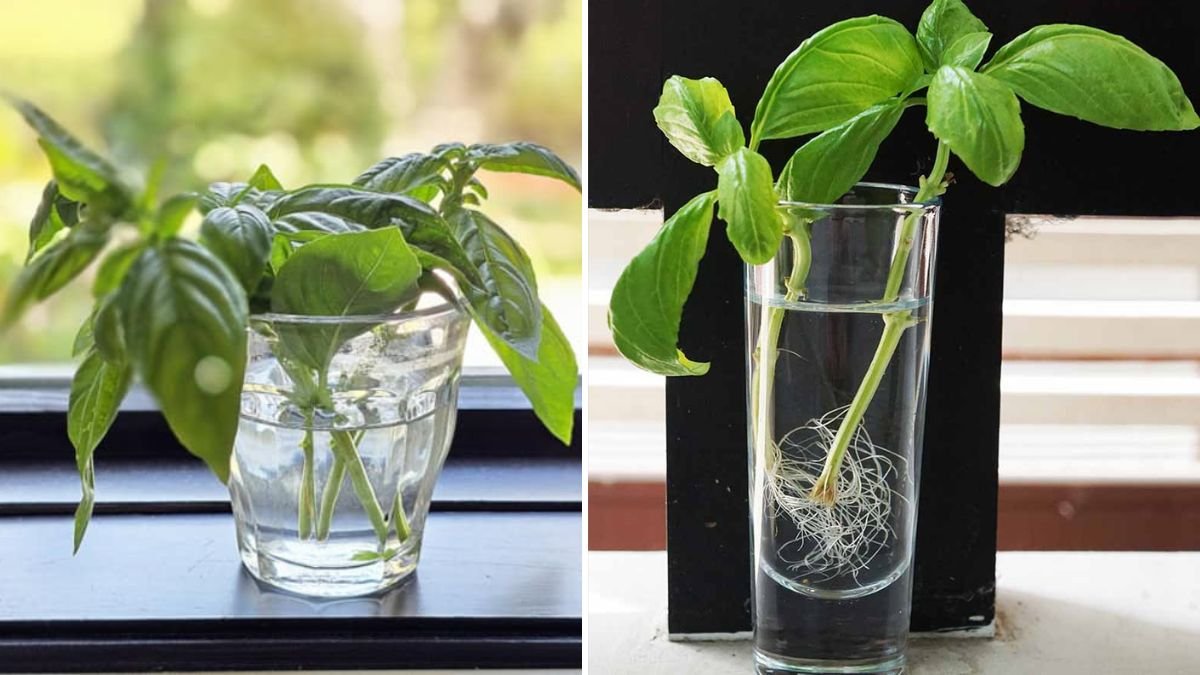
Basil is a popular herb used in cooking worldwide. Growing basil from cuttings is faster than starting from seeds. Cuttings produce strong, healthy plants quickly. This method ensures genetic consistency with parent plants. Year-round supply is possible. Ideal for indoor and container gardening. Requires minimal equipment. Proper technique guarantees success.
Why Cuttings Work Better Than Seeds
Cuttings grow faster than seeds. No germination delay. Plants retain traits of parent plant. Disease-free cuttings produce healthier plants. Less maintenance in early stages. Easier to manage indoors. Higher survival rate compared to seeds. Continuous harvest is achievable.
Selecting Healthy Basil Plants for Cuttings
Choose strong, disease-free basil plants. Look for vibrant leaves. Avoid flowering plants as cuttings may root slower. Trim 4–6 inch tips. Healthy stems produce roots faster. Inspect for pests. Cut early in the day for best results. Good selection improves success.
Materials Needed for Propagation
Simple tools are sufficient. Sharp scissors or pruning shears. Small container or glass for water rooting. Optional rooting hormone. Potting soil for transplanting. Labels for identification. Clean environment prevents disease. Materials are inexpensive and easy to source.
Table: Materials and Purpose for Basil Cuttings
| Material | Purpose | Benefit | Cost |
|---|---|---|---|
| Scissors | Cutting stems | Clean cut, reduces damage | Low |
| Glass or jar | Water rooting | Easy observation | Very low |
| Potting soil | Planting roots | Supports growth | Low |
| Rooting hormone | Optional | Faster root development | Low |
Step-by-Step Basil Cutting Method
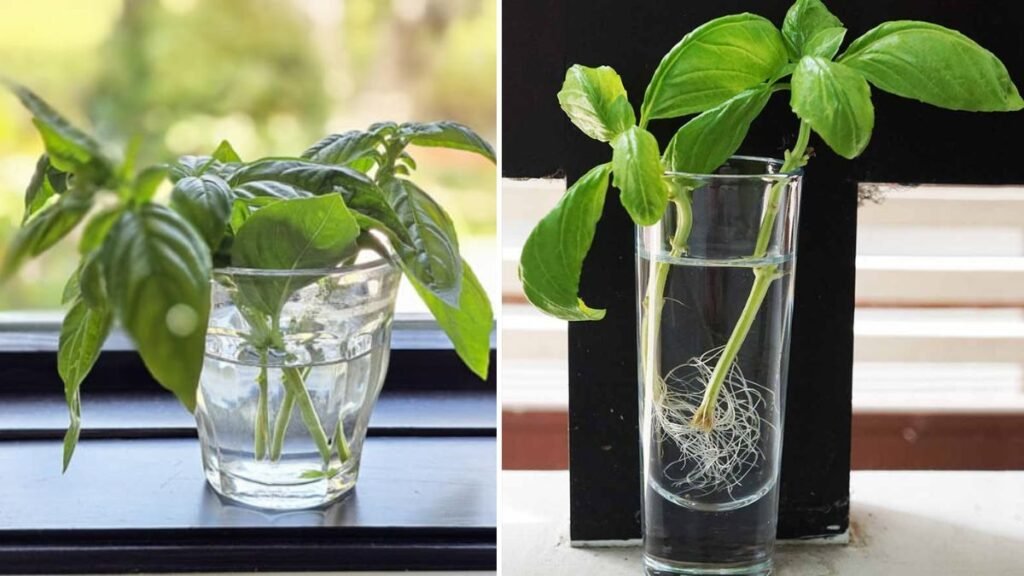
Trim 4–6 inch healthy stems. Remove lower leaves, leaving top 2–3. Place stems in water. Keep container in bright indirect sunlight. Change water every 2–3 days. Roots develop in 1–2 weeks. Use rooting hormone to speed up process. Healthy roots ready for transplanting.
Transplanting Rooted Cuttings
Prepare small pots with nutrient-rich soil. Make small hole for cutting. Gently place roots into soil. Firm soil around stem. Water lightly after transplanting. Avoid direct sun for first few days. Monitor moisture and growth. Proper transplanting prevents shock.
Soil Requirements for Basil
Basil prefers well-draining soil. Mix compost or organic matter. Avoid heavy clay. Soil should retain moisture but drain excess. Fertile soil supports lush leaf growth. Regularly refresh soil for container plants. Balanced nutrition improves flavor. Healthy soil ensures rapid growth.
Sunlight Needs
Basil requires 6–8 hours of sunlight. Place near south-facing window or under grow lights. Rotate pots for even growth. Avoid strong afternoon sun for young cuttings. Balanced light encourages bushy growth. Sunlight influences leaf flavor. Proper light improves photosynthesis. Indoor growth mimics outdoor conditions.
Watering Basil Cuttings
Keep soil evenly moist but not soggy. Water when top inch feels dry. Overwatering causes root rot. Self-watering pots work well. Morning watering is ideal. Water quality affects taste. Balanced hydration supports leaf production. Consistent watering ensures thriving plants.
Fertilizing Cuttings
Feed lightly after roots establish. Use diluted organic liquid fertilizer. Avoid excess nitrogen. Balanced nutrients encourage leaves. Fertilize every 2–3 weeks. Monitor plant response. Organic options are safe for culinary use. Proper fertilization boosts growth.
Pruning for Bushy Growth
Pinch top leaves regularly. Encourages lateral branch growth. Prevents flowering and bitterness. Pruning improves air circulation. Harvest small amounts frequently. Light pruning supports continuous harvest. Maintain plant shape. Pruning maximizes leaf production.
Propagation for Continuous Supply
Cuttings can be propagated multiple times. Trim regularly and root in water or soil. Rotate plants for fresh growth. Continuous propagation ensures supply. Indoor and outdoor plants benefit. Easy to replicate. Saves money on new seeds. Year-round basil is achievable.
Preventing Pests and Diseases
Basil is prone to aphids and fungal issues. Inspect regularly. Remove infected leaves. Use neem oil or organic sprays. Good airflow prevents mold. Avoid water on leaves in hot sunlight. Healthy cuttings resist pests. Prevention ensures productivity.
Container and Indoor Growing Tips
Basil adapts well to pots. Ensure adequate drainage. Use lightweight, fertile soil. Indoor placement should mimic sunlight. Rotate containers weekly. Manage water and nutrients carefully. Indoor basil grows faster than outdoor in cool climates. Consistent care ensures success.
Flowering and Seed Production
Basil flowers reduce leaf production. Pinch flowers to extend harvest. Flowers can be edible and decorative. Seed production is optional. Controlled flowering maintains leaf quality. Regular monitoring improves yield. Harvest leaves before flowering. Flower management maximizes use.
Seasonal Care for Basil
Indoor basil grows year-round. Adjust watering in winter. Provide grow lights in low-light months. Maintain humidity around plants. Avoid drafts and extreme temperatures. Regular pruning maintains vigor. Seasonal care supports continuous harvest. Healthy basil produces flavorful leaves.
Common Mistakes to Avoid
Overwatering or underwatering. Excess nitrogen causing leggy growth. Ignoring pruning and flower management. Poor light reduces yield. Root damage during transplanting. Monitoring prevents mistakes. Awareness improves success. Consistency ensures thriving plants.
Benefits of Growing Basil from Cuttings
Fast and efficient propagation. Saves money on seeds. Produces consistent plant traits. Continuous fresh supply for cooking. Indoor and container gardening possible. Minimal equipment needed. Encourages sustainable gardening. Year-round herbs enhance culinary experience.
Conclusion
Growing basil from cuttings is simple and rewarding. Healthy cuttings root quickly in water or soil. Proper light, water, and nutrition ensure bushy plants. Regular pruning encourages continuous harvest. Indoor and outdoor growth is achievable. Minimal tools make propagation affordable. Continuous supply supports fresh cooking. Anyone can master this propagation method.