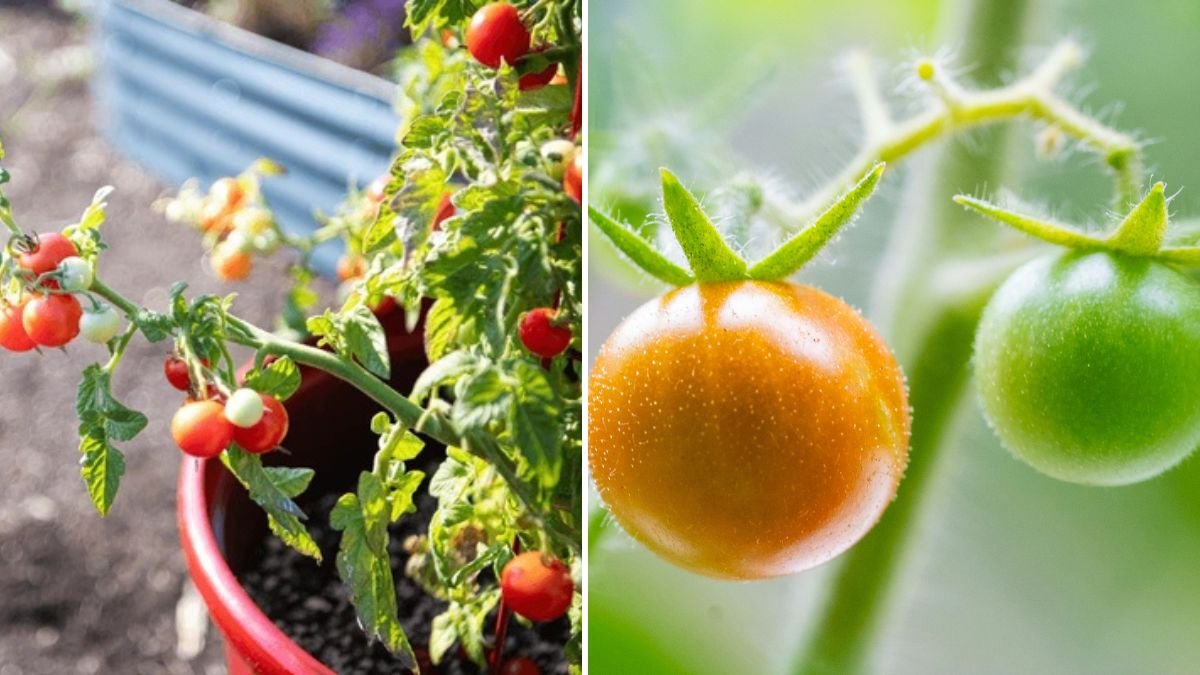
Cherry tomatoes are small, flavorful, and perfect for home gardening. Their compact size makes them ideal for pots, balconies, or small garden beds. Growing cherry tomatoes is easy with proper care and guidance. They require sunlight, water, nutrients, and support to thrive. Easy techniques allow beginners to grow them successfully. Cherry tomatoes produce abundant fruits in a short time. Proper management prevents diseases and pest infestations. Vertical growing maximizes space. These tomatoes add color and nutrition to any meal. With some planning, anyone can enjoy a steady supply of fresh cherry tomatoes.
1. Choosing the Right Cherry Tomato Variety
Select varieties based on climate and space availability. Popular options include Sweet 100, Tiny Tim, and Red Robin. Indeterminate varieties grow tall and produce continuously. Determinate varieties grow compact and fruit simultaneously. Consider disease resistance for local conditions. Seed quality affects germination rate. Purchase from trusted suppliers. Organic seeds are preferable. Matching variety to location ensures success. Variety selection influences fruit size and yield.
2. Selecting the Perfect Location
Cherry tomatoes need at least six to eight hours of direct sunlight. Avoid shaded areas for strong growth. Ensure proper air circulation to reduce fungal diseases. Soil should be fertile and well-draining. Choose a location near water supply for easy irrigation. Protect plants from strong winds. Level planting surface improves stability. Avoid crowded areas. Correct location ensures vigorous growth. Accessibility helps in regular maintenance.
3. Preparing Soil for Cherry Tomatoes
Loosen soil to a depth of twelve inches. Add compost or well-rotted manure. Soil should be rich in organic matter. Maintain slightly acidic pH between six and six point eight. Mix sand or perlite for drainage. Fertile soil promotes root growth. Avoid compacted soil to prevent waterlogging. Mulching helps retain moisture. Proper preparation ensures early growth. Soil quality directly affects fruit quality.
4. Starting Seeds Indoors
Start seeds in small pots or trays. Use seed-starting mix for better germination. Keep soil moist but not waterlogged. Maintain temperature between twenty-two and twenty-five degrees Celsius. Provide adequate light using grow lights or sunny windows. Thin seedlings once they sprout. Transplant carefully after four to six weeks. Seedlings develop strong roots indoors. Indoor start protects from pests and cold. Early growth gives higher yields.
5. Transplanting Seedlings Outdoors
Harden seedlings by gradually exposing them to outdoor conditions. Space plants two to three feet apart. Plant slightly deeper than in the pot to encourage strong roots. Water immediately after transplanting. Avoid disturbing roots. Support plants using stakes or cages. Mulch around seedlings. Proper transplanting reduces stress. Early attention ensures healthy growth. Correct spacing prevents overcrowding.
6. Watering Cherry Tomatoes Properly
Consistent moisture is essential. Water at the root zone to prevent wet leaves. Avoid overwatering to reduce disease. Drip irrigation is ideal for potted or raised beds. Mulching helps retain soil moisture. Morning watering reduces evaporation. Adjust frequency based on weather. Deep watering encourages strong root growth. Proper hydration improves fruit size. Consistency ensures higher yield.
7. Fertilizing Cherry Tomatoes
Use balanced organic fertilizer every two to three weeks. High-phosphorus fertilizers encourage flowering. Avoid excessive nitrogen which promotes leaves over fruit. Compost tea or liquid seaweed works well. Fertilizer supports strong vines. Proper nutrition improves fruit taste. Foliar feeding helps during flowering stage. Balanced fertilization prevents deficiencies. Nutrient management is key. Healthy plants produce sweeter tomatoes.
8. Supporting Plants with Stakes or Cages
Cherry tomatoes are climbers that require support. Use stakes, cages, or trellises. Tie vines loosely with soft twine. Supports prevent fruits from touching soil. Improved airflow reduces fungal problems. Easier access for harvesting. Vertical growth saves garden space. Supports prevent bending or breakage. Strong supports maximize yield. Correct structure enhances plant health.
9. Pruning for Better Growth
Remove lower leaves to improve airflow. Pinch off suckers that grow between stem and branches. Pruning directs energy to fruit production. Avoid excessive pruning which can stress the plant. Prune regularly after flowering. Maintain a single main stem for indeterminate varieties. Clean tools prevent disease spread. Proper pruning improves sunlight exposure. Encourages larger, healthier fruits. Helps prevent fungal infections.
10. Controlling Pests and Diseases
Watch for aphids, whiteflies, and spider mites. Neem oil or insecticidal soap can control infestations. Prevent fungal diseases by avoiding wet leaves. Use mulch to reduce soil-borne pathogens. Remove affected leaves immediately. Rotate crops yearly. Monitor regularly for early detection. Healthy plants resist pests better. Disease management ensures continuous yield. Preventive care is better than cure.
11. Pollination Tips
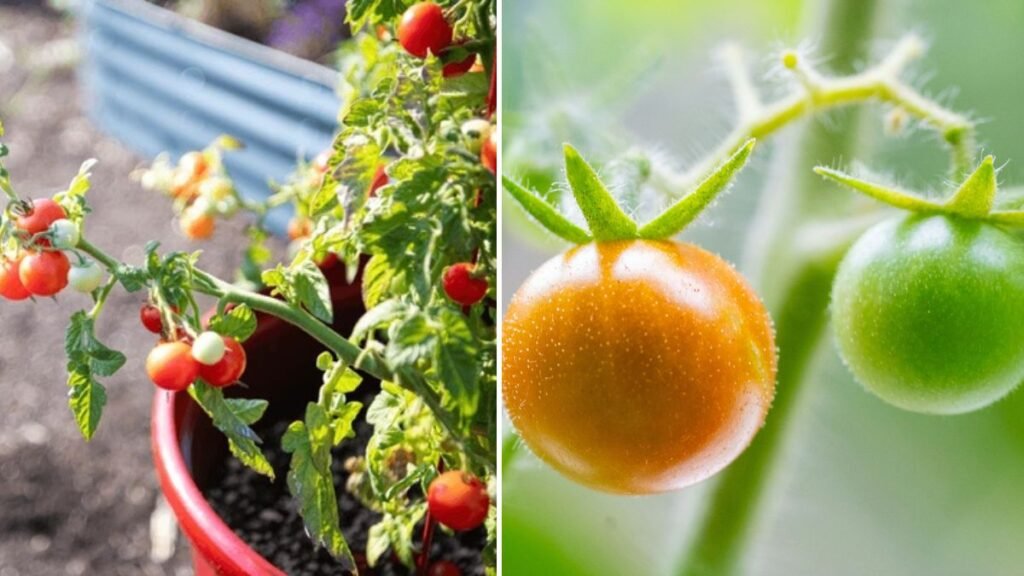
Cherry tomatoes are self-pollinating. Gently shaking flowers improves fruit set. Bees and insects assist in pollination. Indoor plants may require hand pollination. Proper flowering ensures maximum fruits. Avoid overcrowding to improve airflow. Healthy flowers produce quality fruits. Pollination improves seed formation. Regular checks support fruit development. Timing pollination improves harvest.
12. Harvesting Cherry Tomatoes
Pick fruits when fully colored and firm. Regular harvesting encourages continuous production. Avoid letting tomatoes overripe on the vine. Handle gently to prevent bruising. Morning harvest is ideal. Store in baskets for short-term use. Frequent picking prevents fruit rot. Harvest improves air circulation in the plant. Early fruits can be used for salads. Proper timing increases flavor.
13. Container Gardening for Cherry Tomatoes
Use large pots with good drainage. Mix potting soil with compost. Stake plants for vertical support. Containers suit balconies or small spaces. Container plants require more frequent watering. Fertilize regularly. Rotate pots for sunlight exposure. Container gardening ensures flexibility. Portable pots allow easy relocation. Effective for urban gardening.
14. Growing Cherry Tomatoes Hydroponically
Hydroponic growth increases yield. Requires nutrient solution and grow medium. Provides controlled environment. Faster growth and continuous harvest. Avoid over-saturation of roots. Monitor pH and nutrient levels. Space-efficient method. Requires initial setup but high productivity. Suitable for small spaces. Promotes sustainable home gardening.
15. Seasonal Care for Cherry Tomatoes
Summer requires extra watering. Winter may need protection or greenhouse setup. Monitor temperature and humidity. Adjust fertilizer according to growth stage. Remove dead leaves promptly. Seasonal changes affect flowering and fruiting. Proper seasonal management prevents plant stress. Helps maintain steady harvest. Protect from frost if necessary. Timing care ensures success.
16. Companion Planting Benefits
Plant basil, marigold, or nasturtium nearby. Repels pests naturally. Improves pollination. Enhances soil fertility through root interaction. Reduces disease risk. Companion planting saves space. Encourages biodiversity. Supports sustainable gardening. Improves overall garden aesthetics. Encourages natural growth cycles.
17. Saving Seeds from Cherry Tomatoes
Select ripe, disease-free fruits. Extract seeds and clean thoroughly. Dry seeds in shade. Store in cool, dry place. Use for next season planting. Seed saving preserves variety. Reduces dependency on stores. Supports organic gardening. Ensures cost-effective sustainability. Enables continuity of preferred cultivar.
18. Troubleshooting Common Issues
Yellow leaves may indicate nutrient deficiency. Blossom end rot caused by calcium imbalance. Leaf curl can result from heat or pests. Monitor growth and adjust watering. Early detection prevents crop loss. Healthy maintenance ensures continuous fruiting. Observe regularly for stress signals. Take immediate corrective actions. Knowledge improves plant survival. Preventive care minimizes problems.
19. Maximizing Yield per Plant
Support strong vertical growth. Provide regular water and fertilizer. Prune properly. Pollinate effectively. Use companion plants for pest control. Harvest consistently. Provide proper sunlight. Healthy plant management ensures multiple harvests. Vertical trellises allow more fruits per square foot. Careful planning increases productivity.
20. Final Thoughts on Growing Cherry Tomatoes
Growing cherry tomatoes is simple and rewarding. Requires proper location, soil, water, nutrients, and support. Disease and pest control ensures healthy growth. Regular harvesting improves productivity. Container and vertical methods suit all spaces. Even beginners can achieve abundant harvests. Planning and consistency are key. Organic fertilizers and companion plants improve results. Start growing cherry tomatoes today for fresh, flavorful fruits. Enjoy sustainable and productive gardening.
Table: Cherry Tomato Care Guide
| Aspect | Recommendation | Benefit |
|---|---|---|
| Sunlight | 6-8 hours | Strong growth |
| Soil | Fertile, well-draining | Healthy roots |
| Water | Consistent, root zone | Prevents rot |
| Fertilizer | Organic, balanced | Sweet, abundant fruits |
| Support | Stakes or cages | Vertical growth, easier harvest |