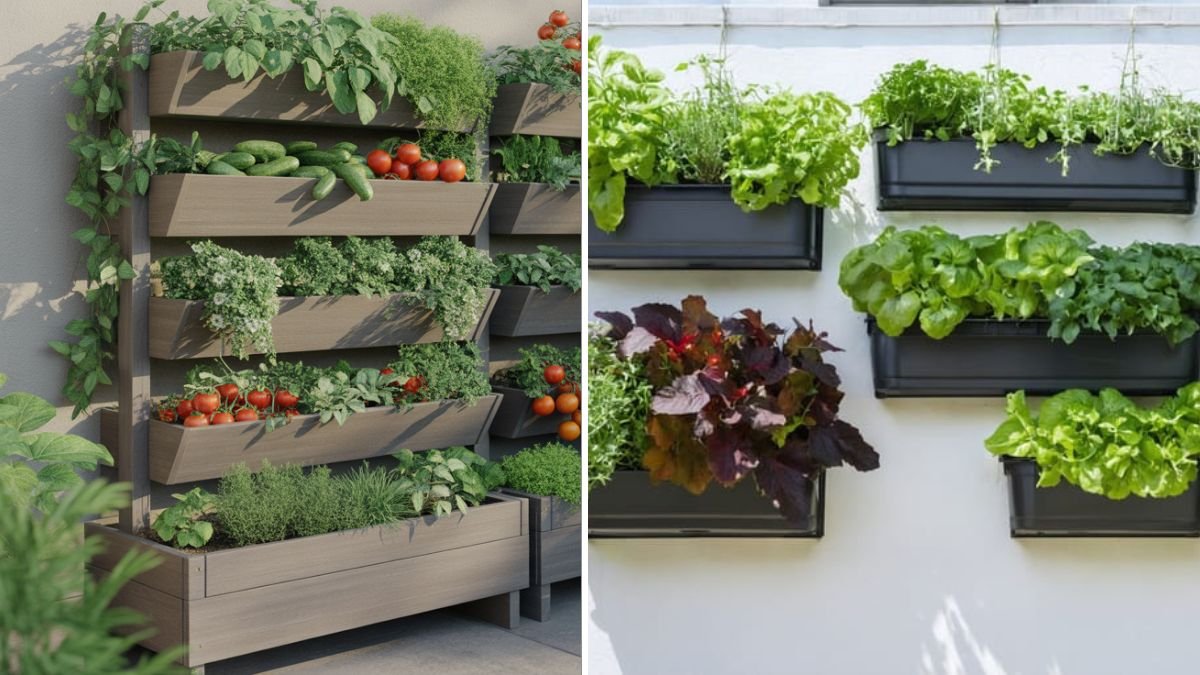
Many people believe abundant harvests need large farms. In reality, smart gardening techniques produce impressive yields at home. With proper planning, even balconies become productive. Modern methods reduce effort and increase output. Container gardening maximizes limited space. Consistent care leads to continuous harvests. Beginners can achieve success easily. Small gardens can feed families. Strategic planting makes a difference. This guide explains how to grow more with less.
1. Understanding the Basics of High-Yield Gardening
High yield depends on soil quality. Plant spacing affects growth. Sunlight drives productivity. Water consistency prevents stress. Fertilization supports fruiting. Pest control protects crops. Proper variety selection matters. Timing affects success. Observation improves outcomes. Balanced care leads to abundance.
2. Choosing the Right Crops for Maximum Yield
Fast-growing crops produce more harvests. Leafy greens mature quickly. Tomatoes and peppers fruit continuously. Cucumbers produce heavily. Herbs regrow after cutting. Compact varieties suit containers. Disease-resistant plants perform better. Choose plants suited to climate. Crop choice determines success. Smart selection boosts harvest volume.
3. Container Gardening for Big Results
Containers control soil quality. Fewer weeds appear. Plants receive focused nutrients. Containers warm faster. Roots grow efficiently. Mobility allows climate control. Ideal for small spaces. Containers reduce soil disease. High yields per square foot. Container gardening is highly efficient.
4. Soil Preparation Techniques
Healthy soil feeds plants. Use compost generously. Ensure good drainage. Avoid reused exhausted soil. Mix organic matter thoroughly. Soil texture affects roots. Balanced pH improves nutrient uptake. Fresh soil prevents disease. Quality soil boosts yield. Soil preparation is essential.
5. Sunlight Optimization Strategies
Observe daily sunlight patterns. Place plants accordingly. Rotate containers regularly. Use reflective surfaces if needed. Morning sun is best. Avoid prolonged shade. Sunlight drives photosynthesis. More light equals more food. Proper placement increases yield. Light management is critical.
6. Smart Watering for High Yield
Water deeply but less frequently. Avoid surface watering only. Mulch reduces evaporation. Morning watering is ideal. Inconsistent watering reduces yield. Avoid wet foliage. Monitor soil moisture. Proper hydration supports fruit growth. Balanced watering prevents disease. Water wisely for abundance.
7. Feeding Plants the Right Way
Plants need regular nutrition. Organic fertilizers work best. Liquid feeds act faster. Compost enriches soil. Avoid overfeeding. Balanced nutrients support fruiting. Potassium increases yield. Observe plant response. Feeding schedules matter. Nutrition drives productivity.
8. Vertical Gardening Techniques
Grow upward to save space. Use trellises and supports. Vertical plants get more light. Better airflow reduces disease. Fruits stay clean. Harvesting becomes easier. Vertical gardens look beautiful. Space efficiency increases yield. Supports must be strong. Vertical growth multiplies harvest.
9. Companion Planting Benefits
Some plants grow better together. Basil improves tomato growth. Marigolds deter pests. Herbs repel insects. Companion planting increases yield. Improves soil health. Reduces pest pressure. Enhances biodiversity. Natural balance improves productivity. Smart pairing boosts success.
10. Pruning and Training Plants
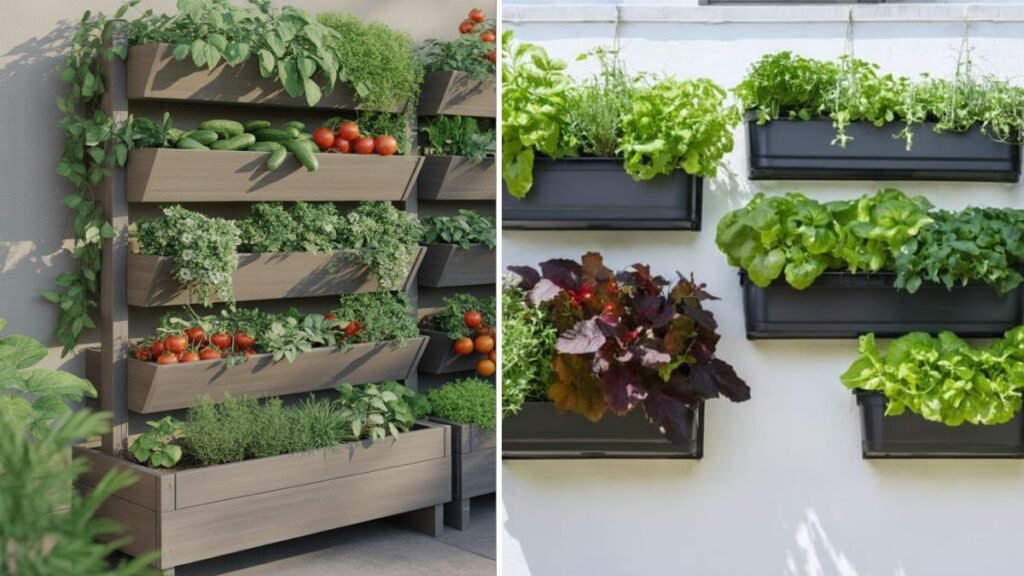
Remove weak growth. Focus energy on fruits. Improve airflow. Reduce disease risk. Train vines upward. Avoid excessive pruning. Balanced trimming improves yield. Use clean tools. Observe plant response. Pruning improves harvest quality.
11. Pollination Support Methods
Encourage natural pollinators. Grow flowering plants nearby. Hand pollinate if needed. Shake plants gently. Good airflow helps pollination. Proper pollination increases fruit size. Misshapen fruits indicate problems. Support flowering stage carefully. Pollination affects yield directly. Simple steps improve harvest.
12. Pest Prevention for Abundant Harvests
Healthy plants resist pests. Inspect regularly. Remove infected leaves. Use neem oil. Avoid chemicals. Keep garden clean. Early action prevents spread. Natural control protects crops. Balanced ecosystem reduces pests. Prevention ensures abundance.
13. Disease Management Strategies
Avoid overcrowding. Ensure airflow. Use clean tools. Rotate crops if possible. Remove diseased plants promptly. Healthy soil reduces disease. Sunlight prevents fungal growth. Prevention is easier than cure. Regular monitoring is essential. Disease control protects yield.
14. Harvesting Techniques That Increase Yield
Harvest frequently. Pick fruits at peak size. Avoid letting produce overripe. Gentle harvesting protects plants. Morning harvest preserves freshness. Regular picking encourages new growth. Harvest timing affects production. Consistent harvesting boosts yield. Proper technique matters. Harvest smartly for abundance.
15. Staggered Planting for Continuous Harvest
Plant in intervals. Avoid all plants maturing together. Staggering ensures constant supply. Maximizes space usage. Reduces workload peaks. Continuous harvest improves efficiency. Planning improves productivity. Seasonal planting matters. Smart timing increases yield. Staggering is key.
16. Seasonal Adjustments for Better Yield
Adjust watering by season. Protect plants from heat. Shield from frost if needed. Change crop selection seasonally. Use shade nets. Move containers indoors. Seasonal care improves output. Adaptation ensures survival. Flexibility increases success. Seasonal awareness boosts harvest.
17. Common Yield-Reducing Mistakes
Overcrowding plants. Ignoring nutrition. Poor sunlight exposure. Inconsistent watering. Neglecting pests. Using poor soil. Skipping pruning. Learning prevents repetition. Small mistakes reduce yield. Awareness ensures improvement.
18. Cost-Effective Gardening Tips
Reuse containers. Make compost at home. Save seeds. Use rainwater. DIY supports. Reduce store dependency. Gardening saves money. Low input high output. Budget gardening is achievable. Smart choices reduce costs.
19. Why Homegrown Harvests Are Better
Fresher produce tastes better. Higher nutrient content. No chemicals. Harvest at peak ripeness. Full flavor development. Safer for families. Satisfaction of self-growing. Reduced food miles. Quality exceeds store produce. Homegrown food is superior.
20. Conclusion: Grow More With Confidence
A bountiful harvest is achievable anywhere. Smart methods maximize output. Consistent care brings success. Small spaces can feed families. Gardening builds self-reliance. Sustainable practices protect the planet. Beginners can succeed easily. Expand gradually with experience. Home gardening is rewarding. Start growing and harvest abundance.
Table: High-Yield Gardening Essentials
| Factor | Best Practice | Result |
|---|---|---|
| Soil | Rich organic mix | Strong growth |
| Sunlight | 6–8 hours | More yield |
| Water | Deep & consistent | Healthy plants |
| Fertilizer | Balanced organic | Bigger harvest |
| Harvest | Frequent picking | Continuous yield |