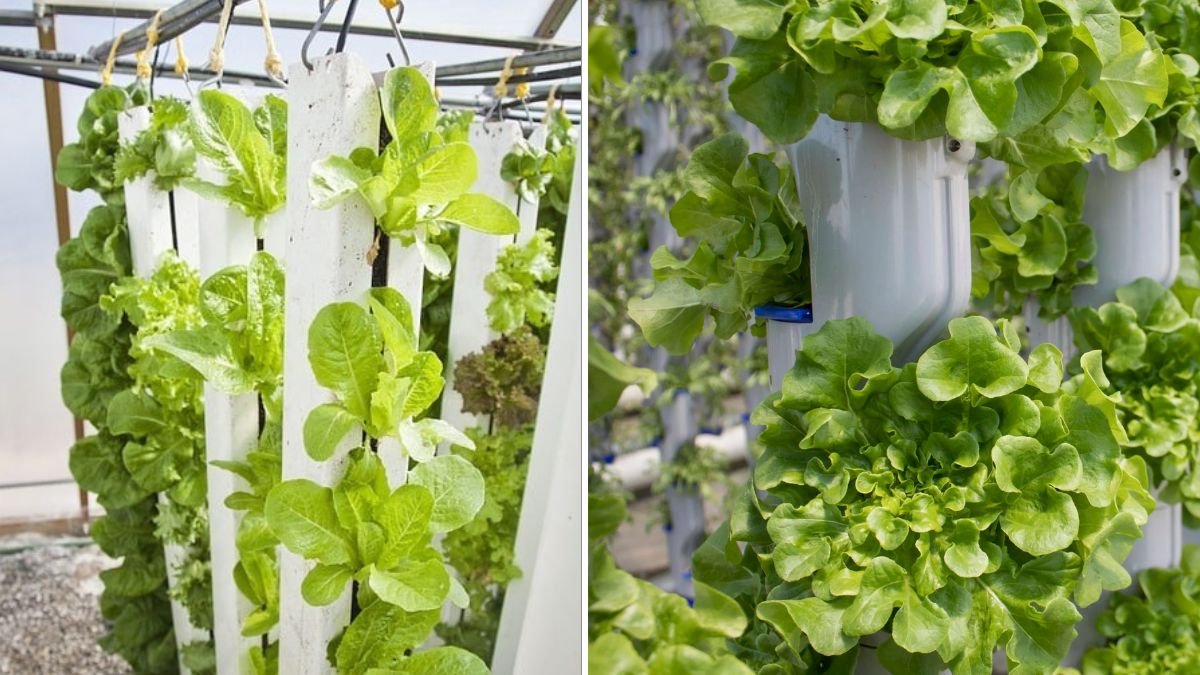
Growing cabbage on a wall is a creative gardening method. It uses unused vertical space. Cabbage grows well in containers. Wall gardening suits small homes. Homegrown cabbage is fresh and nutritious. Vertical gardens improve airflow. This method reduces soil pests. Anyone can grow cabbage successfully.
Why Cabbage Grows Well in Vertical Gardens
Cabbage has compact roots. It adapts to container growth. Wall setups improve sunlight access. Heads stay clean and pest-free. Watering is easier to control. Vertical gardens save space. This makes cabbage ideal for walls.
Selecting the Right Wall for Cabbage
Choose a strong wall. Ensure good sunlight exposure. Morning sun is best. Avoid extreme heat areas. Walls should be dry and stable. Proper placement ensures strong heads.
Best Containers for Wall Cabbage
Use strong buckets or bottles. Containers must support weight. Ensure deep containers. Secure them firmly. Lightweight materials reduce wall stress. Good containers support head formation.
Preparing Containers for Planting
Clean containers well. Make drainage holes. Add stones at the bottom. Secure containers firmly. Proper setup prevents root problems.
Ideal Soil Mix for Cabbage
Use nutrient-rich soil. Mix compost and garden soil. Add coco peat for airflow. Avoid poor soil. Cabbage needs steady nutrition. Healthy soil forms firm heads.
Choosing Cabbage Varieties
Select compact varieties. Early maturing types work best. Disease-resistant varieties reduce losses. Local varieties adapt well. Variety choice affects head size.
Planting Cabbage in Wall Containers
Plant seedlings carefully. Space properly. Firm soil gently. Water after planting. Proper planting encourages strong roots.
Sunlight Needs of Cabbage
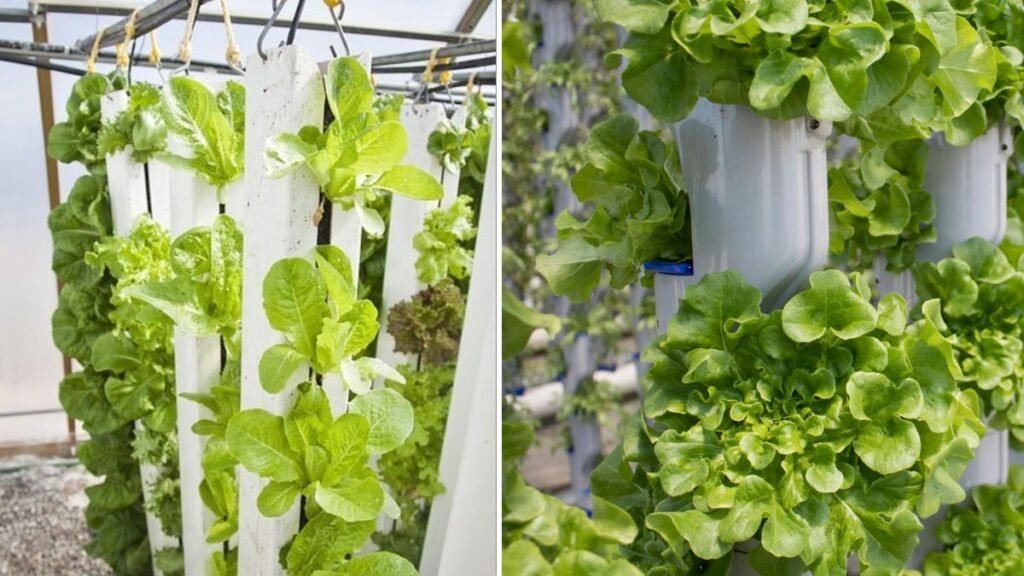
Cabbage needs moderate sunlight. Six hours daily is ideal. Avoid extreme heat. Wall shade helps regulate temperature. Balanced light improves head formation.
Watering Cabbage Properly
Water consistently. Keep soil moist. Avoid waterlogging. Wall containers dry faster. Check moisture daily. Proper watering prevents splitting.
Fertilizing for Firm Cabbage Heads
Cabbage is a heavy feeder. Feed every ten days. Use organic fertilizers. Avoid excess nitrogen late. Balanced nutrients improve head quality.
Mulching in Vertical Cabbage Gardens
Mulch retains moisture. Keeps soil cool. Reduces watering needs. Prevents weeds. Improves soil health. Mulching boosts yield.
Managing Pests Naturally
Check leaves regularly. Remove caterpillars by hand. Use neem spray. Vertical gardens reduce pests. Healthy plants resist attacks.
Preventing Cabbage Diseases
Ensure airflow. Avoid wet leaves. Remove infected plants. Use clean tools. Healthy soil prevents disease.
Supporting Heavy Cabbage Heads
Ensure containers are strong. Tighten mounts if needed. Support prevents falling. Stability is important for safety.
Harvesting Cabbage Correctly
Harvest when heads are firm. Cut at the base. Harvest early morning. Proper timing improves taste. Avoid over-mature heads.
Reusing Soil After Harvest
Remove roots carefully. Refresh soil with compost. Reuse containers for next crop. Sustainable gardening saves money.
Common Mistakes to Avoid
Weak containers. Poor drainage. Inconsistent watering. Excess nitrogen. Ignoring pests. Avoid these errors.
Cabbage Wall Garden Summary Table
| Factor | Best Practice | Benefit |
|---|---|---|
| Container | Deep secure planter | Firm heads |
| Soil | Rich organic mix | Healthy growth |
| Water | Consistent moisture | Sweet cabbage |
| Sunlight | Moderate light | Compact heads |
Conclusion
Turning an old wall into a cabbage garden is efficient and rewarding. It saves space and provides fresh vegetables. Proper soil and care ensure success. Vertical gardening reduces pests and diseases. Anyone can grow cabbage at home. This method is sustainable and productive. Start your wall cabbage garden today.