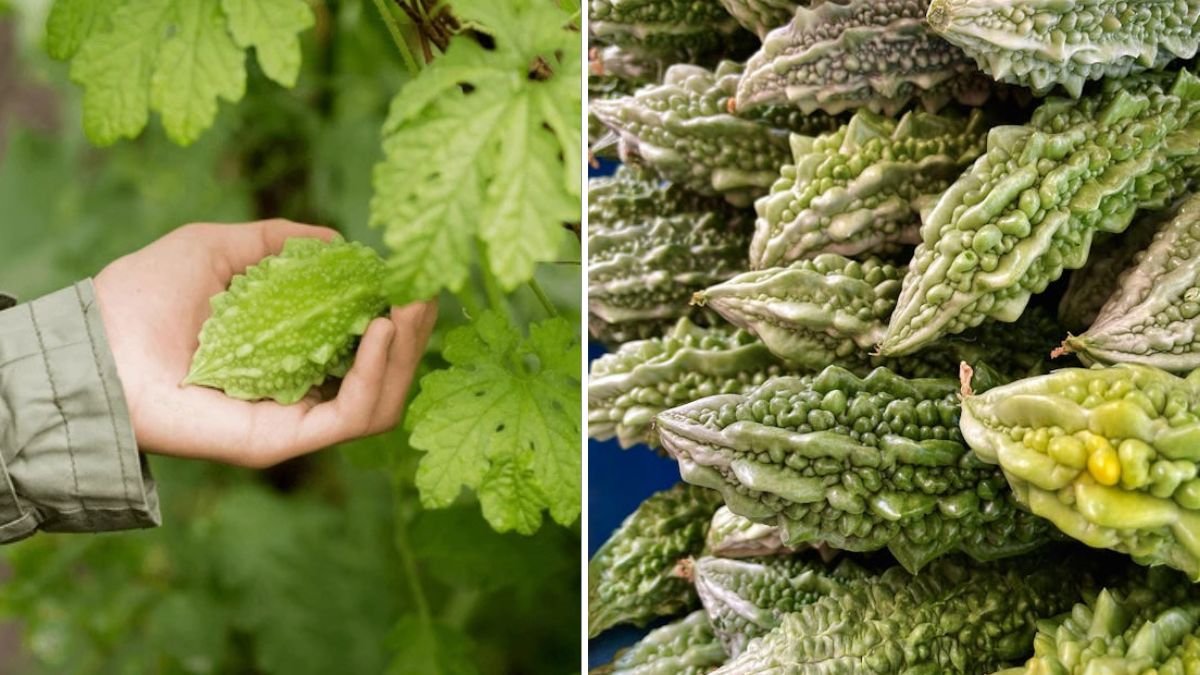
Bitter melon is a fast-growing, highly productive climbing vegetable. Many people think it needs open farmland, but containers work extremely well. Growing bitter melon in containers allows better control of soil, water, and pests. This method is ideal for balconies, rooftops, and small yards. Container growing also improves drainage and root health. With proper care, one plant can produce dozens of fruits. The vines grow vertically, saving ground space. This makes bitter melon perfect for urban gardeners.
Understanding Bitter Melon Growth Habit
Bitter melon is a vigorous vine that climbs naturally. It produces separate male and female flowers. Proper sunlight and nutrition are essential for flowering. Container growth limits root spread but increases nutrient efficiency. Vines grow faster when roots are warm and well-drained. Vertical growth improves air circulation and pollination. Understanding its growth habit helps maximize yield. A controlled environment ensures consistent fruiting.
Choosing the Right Container Size
Large containers are essential for bitter melon success. Use pots or grow bags of at least 20–30 liters. Deeper containers support strong root systems. Drainage holes prevent waterlogging and root rot. Fabric grow bags improve aeration. Plastic pots retain moisture better in hot climates. Strong containers support long-term growth. Proper container size directly affects fruit quantity.
Best Soil Mix for Container Bitter Melon
Bitter melon prefers loose, fertile, well-draining soil. Mix garden soil, compost, and sand in equal parts. Add vermicompost for continuous nutrition. Coconut coir improves moisture balance. Avoid heavy clay soil. Slightly acidic to neutral pH works best. Rich soil supports healthy flowering. Good soil ensures bitter-free, tender fruits.
Selecting Seeds or Seedlings
Choose high-quality, disease-resistant seeds. Hybrid varieties offer higher yield. Soak seeds overnight for faster germination. Seedlings should be healthy and green. Avoid weak or yellow plants. Local climate-adapted varieties perform best. Healthy planting material grows faster. Strong starts lead to heavy harvests.
Planting Bitter Melon in Containers
Fill containers with prepared soil mix. Plant one seedling per container. Place seeds 1 inch deep if direct sowing. Water immediately after planting. Keep soil moist but not soggy. Place containers in partial sunlight initially. Move to full sun after establishment. Proper planting reduces transplant stress.
Sunlight Requirements for Heavy Fruiting
Bitter melon needs 6–8 hours of sunlight daily. Morning sunlight is most effective. South or east-facing balconies work best. Rotate containers weekly for even growth. Insufficient light causes flower drop. Proper light improves pollination. Sunlight directly increases fruit size. Bright exposure ensures continuous yield.
Watering Schedule for Containers
Container plants dry out faster than ground soil. Water deeply when the topsoil feels dry. Avoid frequent shallow watering. Early morning watering is ideal. Ensure excess water drains freely. Mulching helps retain moisture. Overwatering causes root diseases. Balanced watering maintains steady fruit production.
Providing Strong Support for Vines
Bitter melon vines require strong trellises. Use bamboo sticks, netting, or balcony grills. Vertical growth improves airflow. It reduces pest and fungal problems. Tie vines gently as they grow. Strong support prevents stem damage. Upright vines flower better. Good structure leads to higher yield.
Fertilizing for Continuous Production
Feed bitter melon every 10–15 days. Use compost tea or vermiwash. Potassium boosts flowering and fruiting. Avoid excess nitrogen that promotes leaf growth only. Organic feeding improves soil health. Liquid fertilizers absorb quickly. Regular feeding ensures nonstop production. Nutrient balance is key to success.
Flowering and Pollination Tips
Male flowers appear first, followed by female flowers. Natural insects usually pollinate them. Balcony growers may hand-pollinate. Use a soft brush in the morning. Good airflow improves pollination success. Proper pollination prevents fruit drop. Pollinated flowers develop quickly. This increases overall yield.
Pruning for Better Yield
Pruning controls excessive vine growth. Remove weak or overcrowded shoots. Focus energy on healthy branches. Pruning improves airflow and light penetration. It reduces pest problems. Controlled vines flower more. Pruning encourages side shoots. More side shoots mean more fruits.
Pest and Disease Management
Common pests include aphids and fruit flies. Neem oil spray works effectively. Spray every 10–14 days. Remove infected leaves immediately. Good drainage prevents fungal disease. Clean containers reduce pest habitat. Healthy soil builds resistance. Organic care keeps fruits chemical-free.
Managing Seasons in Containers
During extreme heat, provide partial shade. In cold weather, move containers indoors. Mulch protects roots from temperature stress. Reduce watering in winter. Seasonal adjustments prevent plant shock. Stress-free plants produce longer. Containers allow easy climate control. This supports year-round growing.
Harvesting Bitter Melon Correctly
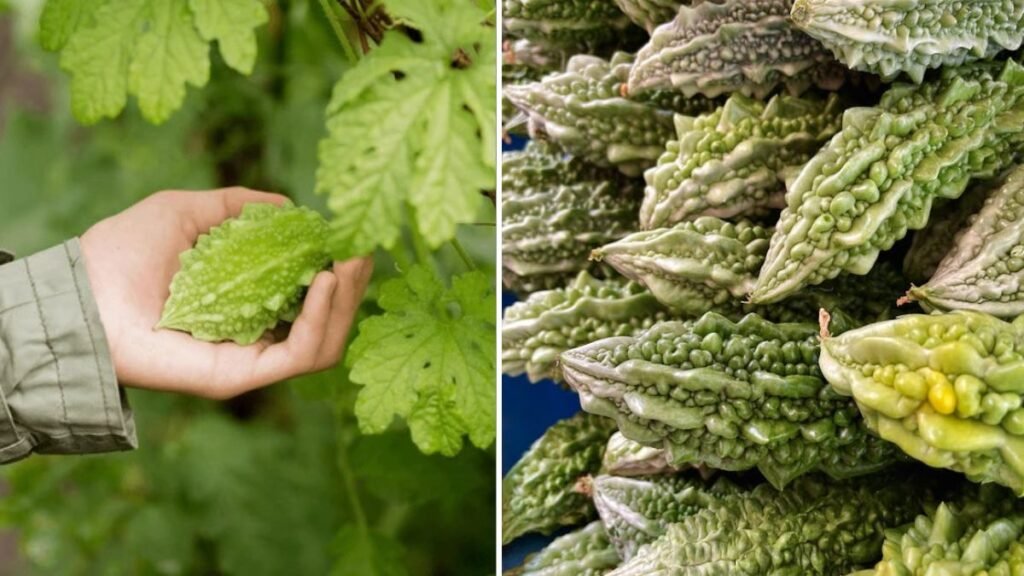
Harvest fruits when young and green. Overripe fruits become too bitter. Use scissors to cut fruits cleanly. Harvest every 2–3 days. Frequent harvesting encourages new flowers. Avoid pulling fruits by hand. Timely harvesting improves taste. Regular picking increases total yield.
Expected Yield in Containers
| Growing Factor | Result |
|---|---|
| Harvest start | 50–60 days |
| Fruits per plant | 30–50 |
| Harvest duration | Several months |
| Space required | One container |
Common Problems and Solutions
Yellow leaves indicate nutrient deficiency. Flower drop means low sunlight or water stress. Bitter taste increases with over-maturity. Root rot indicates poor drainage. Pest damage needs early control. Correct issues quickly. Observation prevents yield loss. Small fixes bring big results.
Benefits of Container Bitter Melon Gardening
Saves space and water. Easy pest control. Cleaner fruits. Flexible placement. Ideal for apartments. High yield in small areas. Low maintenance after setup. Sustainable and rewarding method.
Tips for Maximum Container Yield
Use large containers. Feed regularly. Provide strong trellis. Harvest frequently. Maintain sunlight exposure. Prune wisely. Watch plant signals. Consistency ensures success.
Conclusion: Grow Bitter Melon Anywhere
Growing bitter melon in containers is simple and productive. With proper soil, sunlight, and care, yields are impressive. Containers allow full control over growth conditions. This method suits urban lifestyles perfectly. One plant can feed a family. Organic practices ensure healthy produce. Anyone can succeed with this approach. Start today and enjoy fresh bitter melon at home.