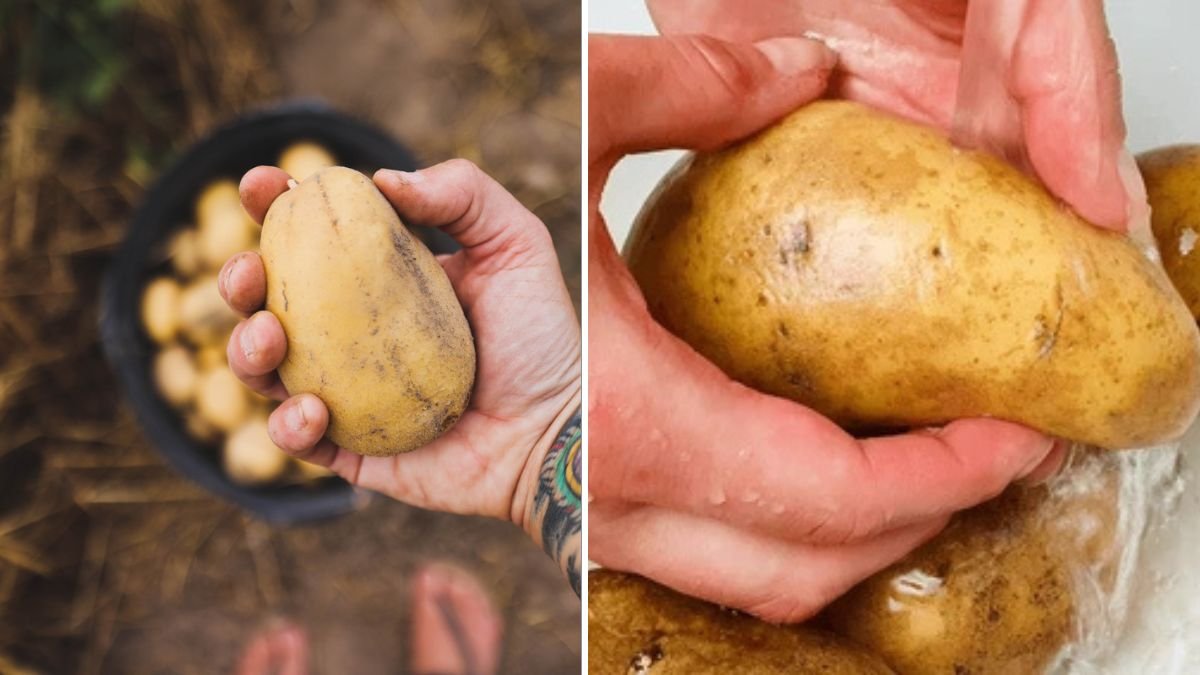
Potatoes grow surprisingly well in containers. This method allows complete control over soil and water. Balcony gardeners can enjoy fresh potatoes without land. Container growing improves drainage and aeration. It also simplifies harvesting. Potatoes adapt well to grow bags and pots. Even small spaces can produce large yields. This method transforms balconies into productive food zones.
Understanding Potato Growth in Containers
Potatoes grow underground tubers along stems. Container depth supports proper tuber formation. Loose soil allows expansion. Controlled soil reduces disease. Containers warm faster, speeding growth. Proper hilling increases yield. Understanding this process helps maximize harvest. Containers offer ideal growing conditions.
Choosing the Right Containers
Use grow bags, buckets, or large pots. Minimum size should be 30–40 liters. Depth is essential for tuber growth. Fabric bags provide excellent drainage. Plastic containers retain moisture. Ensure drainage holes are present. Sturdy containers last multiple seasons. Container choice impacts yield directly.
Best Soil Mix for Container Potatoes
Potatoes need loose, airy soil. Mix garden soil, compost, and sand. Add coco peat for moisture balance. Avoid heavy clay soil. Slightly acidic soil works best. Organic compost boosts tuber size. Well-prepared soil prevents disease. Healthy soil equals healthy harvest.
Selecting Seed Potatoes
Use certified seed potatoes. Avoid supermarket potatoes. Choose disease-free tubers. Cut large potatoes into pieces with eyes. Allow cut pieces to dry before planting. Healthy seed ensures strong growth. Proper selection prevents disease. Good seeds lead to high yields.
Planting Potatoes in Containers
Place soil in the bottom of the container. Plant seed pieces with eyes facing up. Cover lightly with soil. Water gently after planting. Keep soil moist during sprouting. Place container in sunlight. Gradually add soil as plants grow. This hilling increases tuber production.
Sunlight Needs for Container Potatoes
Potatoes require 6–8 hours of sunlight. Morning sun is ideal. Rotate containers weekly. Avoid deep shade. Proper light improves foliage growth. Strong foliage supports tuber formation. Light management is essential. Sun exposure affects harvest size.
Watering Schedule for Potatoes
Water when the soil feels dry on top. Avoid waterlogging. Consistent moisture is crucial during tuber formation. Reduce watering near harvest time. Early morning watering is best. Good drainage prevents rot. Balanced watering improves tuber quality. Water stress reduces yield.
Hilling Technique in Containers
Hilling means adding soil around growing stems. This encourages more tuber growth. Add soil gradually as plants grow. Leave leaves exposed. Hilling prevents green potatoes. It increases harvest volume. Container hilling is easy and clean. This step is essential for high yield.
Fertilizing Container Potatoes
Feed every 15 days with compost tea. Potassium supports tuber growth. Avoid excessive nitrogen late in growth. Organic feeding improves taste. Balanced nutrition prevents disease. Liquid fertilizers absorb quickly. Proper feeding increases tuber size. Nutrition timing matters greatly.
Managing Pests and Diseases
Container potatoes face fewer pests. Aphids and blight are common issues. Neem oil helps control insects. Remove infected leaves quickly. Avoid overhead watering. Clean containers reduce disease risk. Healthy soil builds resistance. Prevention ensures clean harvests.
Pruning and Maintenance
Remove yellow or diseased leaves. Maintain clean containers. Ensure good airflow. Avoid overcrowding. Keep soil loose. Regular inspection prevents problems. Maintenance improves plant health. Healthy plants produce better tubers.
Harvesting Potatoes from Containers
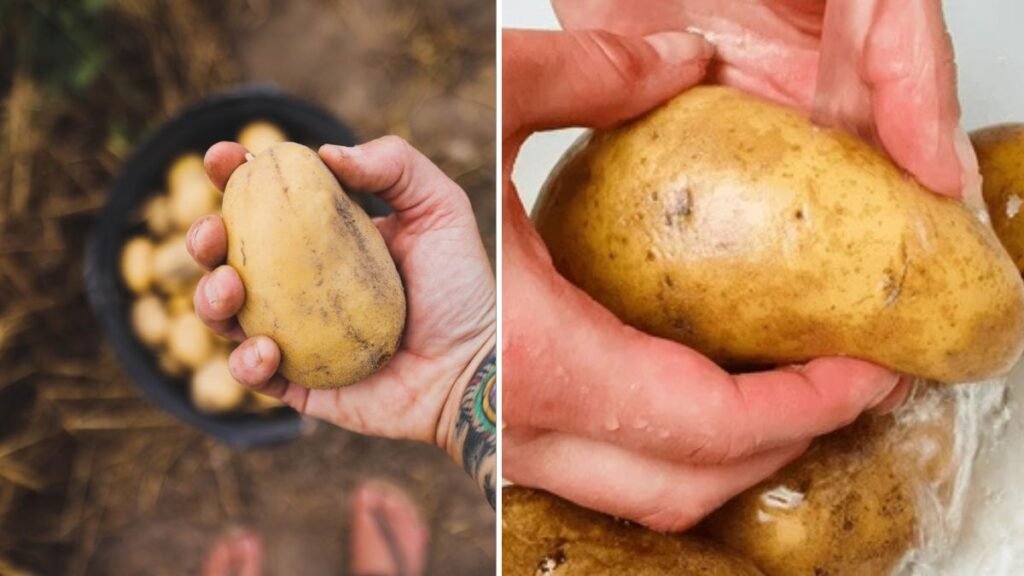
Harvest when foliage turns yellow. Stop watering one week before harvest. Tip container gently to collect potatoes. Handle tubers carefully. Avoid washing before storage. Dry potatoes before storing. Proper harvesting preserves quality. Container harvest is easy and fun.
Expected Yield from Container Potatoes
| Growing Factor | Result |
|---|---|
| Harvest time | 90–110 days |
| Yield per container | 3–5 kg |
| Space required | Balcony corner |
| Soil reuse | Yes |
Common Problems and Fixes
Small tubers result from poor hilling. Rot indicates overwatering. Yellow leaves show nutrient deficiency. Green potatoes mean light exposure. Fix issues early. Adjust care accordingly. Observation improves results. Experience builds success.
Benefits of Balcony Potato Growing
Fresh, chemical-free potatoes. Easy harvesting. Space-saving method. Better pest control. Suitable for apartments. Cost-effective gardening. Educational and rewarding. Sustainable food production.
Tips for Maximum Container Potato Yield
Use large containers. Hill properly. Feed regularly. Maintain sunlight. Water consistently. Choose good seed potatoes. Harvest at right time. Consistency brings abundance.
Conclusion: Turn Your Balcony into a Potato Garden
Container potato growing is simple and effective. Even beginners can succeed. This method maximizes yield in small spaces. Containers offer full control. Fresh potatoes become easily accessible. Balcony gardening becomes productive. Sustainable practices protect health. Start growing and enjoy home-grown potatoes.