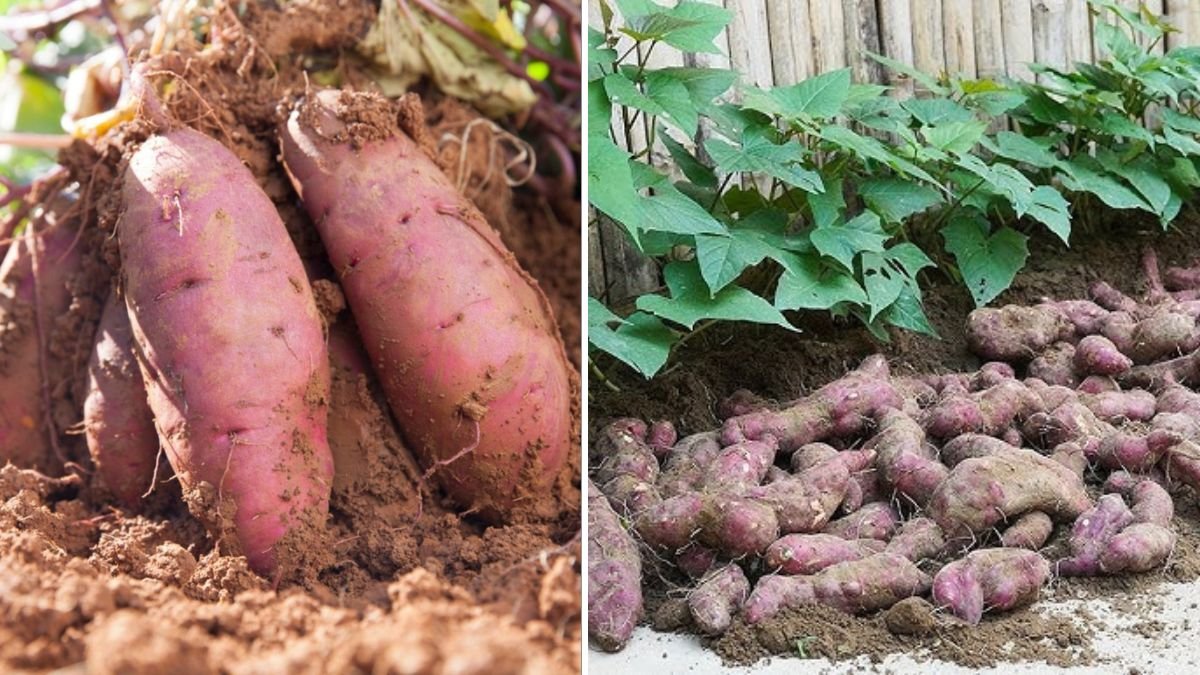
Sweet potatoes are one of the easiest root vegetables to grow in containers. Plastic tubs provide depth, warmth, and space for tuber formation. Balcony conditions allow better pest control and soil management. Sweet potatoes grow vigorously and produce high yields when given room. This method is perfect for urban homes and beginners. With proper planning, plastic tubs can produce impressive harvests even in small spaces.
Why Plastic Tubs Are Ideal for Sweet Potatoes
Plastic tubs retain warmth, which sweet potatoes love. They are lightweight and affordable. Large tubs provide enough depth for tuber expansion. Drainage holes prevent rot. Plastic tubs can be moved to follow sunlight. They create a controlled growing environment.
Choosing the Right Sweet Potato Variety
Bush or compact varieties perform best in containers. Choose varieties bred for shorter vines. Fast-maturing types are ideal for balconies. Disease-resistant varieties reduce maintenance.
Best Varieties for Containers
| Variety Type | Vine Length | Yield |
|---|---|---|
| Bush sweet potato | Short | High |
| Compact hybrid | Medium | Very high |
Preparing Plastic Tubs
Use tubs at least 15 to 18 inches deep. Drill drainage holes at the bottom. Clean tubs thoroughly. Place bricks underneath for airflow. Proper preparation prevents waterlogging and root disease.
Ideal Soil Mix for Sweet Potatoes
Sweet potatoes prefer loose, sandy soil. Heavy soil restricts tuber growth. Compost adds nutrients while sand improves drainage.
Sweet Potato Soil Mix
| Component | Function |
|---|---|
| Garden soil | Structure |
| Sand | Loose texture |
| Compost | Nutrient supply |
Planting Sweet Potato Slips
Sweet potatoes grow from slips, not seeds. Plant slips at an angle. Cover roots but leave leaves above soil. Space slips properly. Water gently after planting. Slips establish quickly in warm conditions.
Sunlight Requirements
Sweet potatoes need 6 to 8 hours of sunlight daily. Place tubs in the sunniest balcony area. Rotate tubs weekly. Adequate sunlight increases tuber size and sweetness.
Watering Schedule
Water regularly but avoid waterlogging. Allow soil to dry slightly between watering. Overwatering causes rot. Consistent moisture supports tuber formation. Mulching helps retain moisture.
Fertilizing Sweet Potatoes
Sweet potatoes need low nitrogen. Excess nitrogen produces vines instead of tubers. Compost is sufficient. Feed lightly every three to four weeks. Potassium supports tuber development.
Managing Vine Growth
Vines grow rapidly and can spread. Train vines along railings or supports. Avoid excessive pruning. Healthy vines support tuber growth. Controlled growth saves balcony space.
Mulching for Better Tubers
Mulch keeps soil warm and moist. Organic mulch improves soil health. It also prevents soil erosion. Mulching directly affects tuber size.
Pest Control in Containers
Sweet potatoes face fewer pests in tubs. Neem oil helps control insects. Remove damaged leaves promptly. Healthy plants resist pests naturally.
Preventing Common Diseases
Good drainage prevents rot. Avoid wet soil. Use clean planting material. Container gardening minimizes disease spread.
Growth Timeline
Sweet potatoes mature in 90 to 120 days. Growth speed depends on temperature. Monitor vine health for maturity clues. Patience leads to larger harvests.
Signs of Harvest Readiness
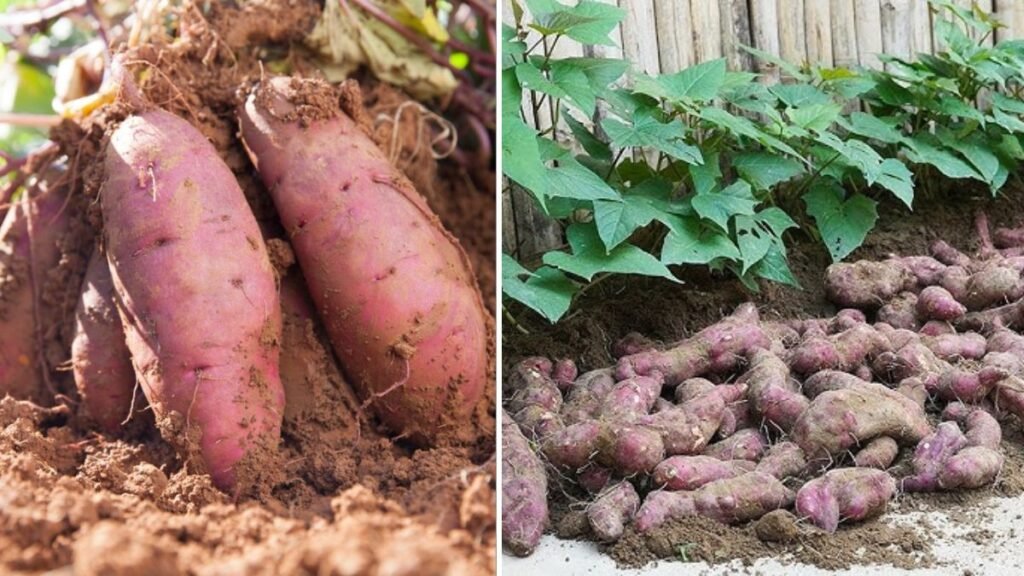
Leaves yellowing indicates maturity. Tubers feel firm under soil. Harvest before cold weather. Timely harvest ensures best flavor.
Harvesting from Plastic Tubs
Tip tub gently and remove soil. Sweet potatoes come out clean. No digging tools required. Harvesting is easy and damage-free.
Curing Sweet Potatoes
Curing improves sweetness and storage life. Keep harvested tubers in warm, dry place. Cure for one to two weeks. Proper curing enhances flavor.
Storing Homegrown Sweet Potatoes
Store in a cool, dry place. Avoid refrigeration. Proper storage extends shelf life. Balcony-grown tubers store well.
Reusing Tubs and Soil
Refresh soil with compost. Rotate crops. Tubs can be reused for multiple seasons. Sustainable and economical.
Benefits of Balcony Sweet Potato Growing
High yield in small space. Low maintenance. Nutritious harvest. Cost-effective food source. Ideal for urban gardeners.
Environmental Advantages
Reuses plastic tubs. Saves water. Reduces grocery dependence. Promotes sustainable living.
Conclusion
Growing sweet potatoes in plastic tubs on a balcony is simple and highly productive. With proper soil, sunlight, and care, even small spaces can yield large harvests. This method proves that balcony gardening can be both practical and powerful.