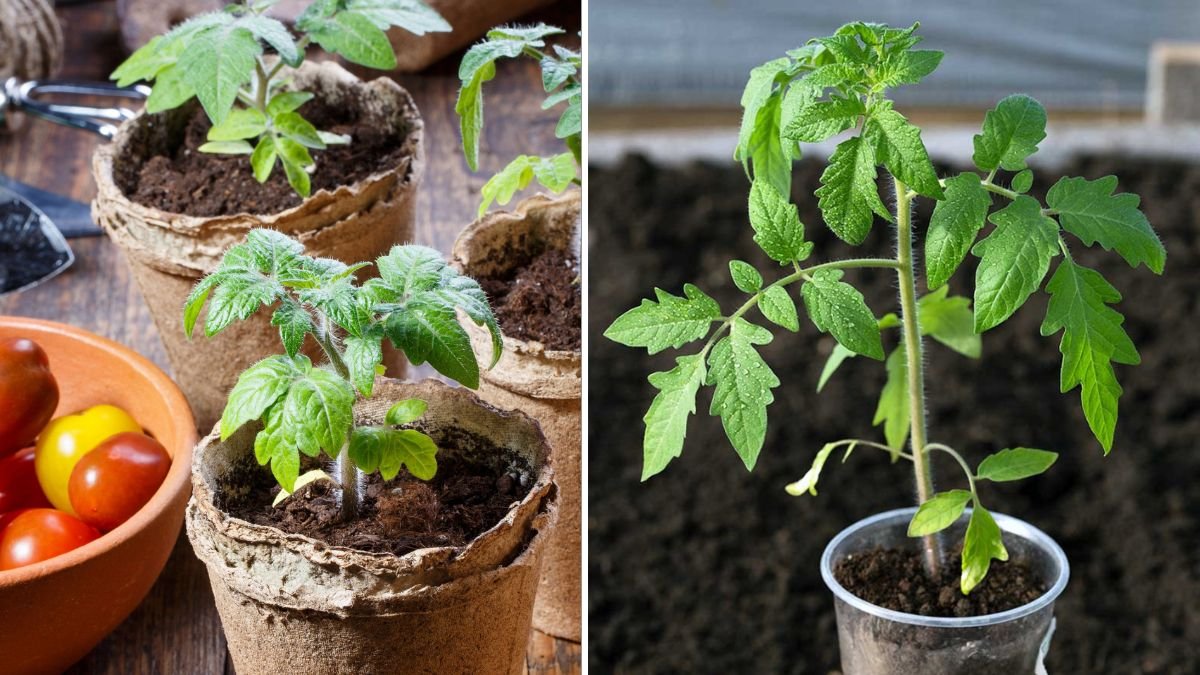
Bananas are rich in natural nutrients that benefit plants. Using bananas to grow tomato seeds is a simple and effective gardening trick. Banana flesh contains potassium, phosphorus, and natural sugars. These nutrients support early root development. This method improves germination speed and seedling strength. It is completely organic and cost-effective. Home gardeners love this technique for its simplicity. This article explains how to use bananas to grow tomato seeds successfully.
Benefits of Using Bananas for Tomato Seeds
Bananas act as a natural fertilizer. They provide slow-release nutrients. Banana moisture helps seed germination. This method reduces the need for chemicals. Seedlings grow stronger roots. Soil microbes benefit from banana matter. The process is beginner-friendly. It supports sustainable gardening.
Best Tomato Varieties for This Method
Most tomato varieties work well. Cherry tomatoes germinate quickly. Determinate varieties are easy to manage. Disease-resistant seeds are ideal. Fresh seeds perform better. Avoid old or damaged seeds. Good seed quality ensures success. Variety choice affects growth speed.
Recommended Tomato Types
| Tomato Type | Growth Habit | Suitability |
|---|---|---|
| Cherry tomato | Compact | Excellent |
| Determinate tomato | Bush type | Very good |
Choosing Ripe Bananas
Fully ripe bananas work best. Soft bananas release nutrients easily. Avoid rotten bananas. Organic bananas are preferred. Banana peels can also be used. Ripe bananas break down quickly. Nutrient availability improves. Proper banana selection matters.
Preparing the Banana Medium
Slice the banana into small pieces. Mash slightly if needed. Place banana at the bottom of the container. Cover lightly with soil. Avoid direct seed contact with wet banana. Balanced placement prevents rot. Banana should decompose slowly. Proper preparation improves results.
Selecting Containers for Seed Starting
Small plastic cups or seed trays work well. Ensure drainage holes. Clean containers thoroughly. Recycled containers are suitable. Shallow containers are enough initially. Lightweight containers are easy to move. Proper containers support seedlings. Good drainage is essential.
Soil Preparation
Use light, seed-starting soil. Mix garden soil with compost and sand. Avoid heavy soil. Loose soil allows easy root growth. Banana nutrients enrich the soil. Proper soil prevents damping-off. Healthy soil improves germination. Preparation is key.
Planting Tomato Seeds with Bananas
Place soil over banana pieces. Sow seeds on top. Cover lightly with soil. Water gently. Keep soil moist. Seeds germinate faster with warmth. Avoid waterlogging. Correct planting ensures success.
Sunlight and Temperature Requirements
Place containers in bright indirect light. Warm temperatures improve germination. Avoid harsh direct sunlight initially. After sprouting, increase sunlight gradually. Good light prevents leggy seedlings. Temperature stability is important. Balanced conditions improve growth.
Watering Seedlings Carefully
Keep soil consistently moist. Avoid flooding containers. Use a spray bottle. Morning watering works best. Overwatering causes rot. Banana already holds moisture. Balanced watering is crucial. Healthy moisture supports seedlings.
Nutrient Support from Bananas
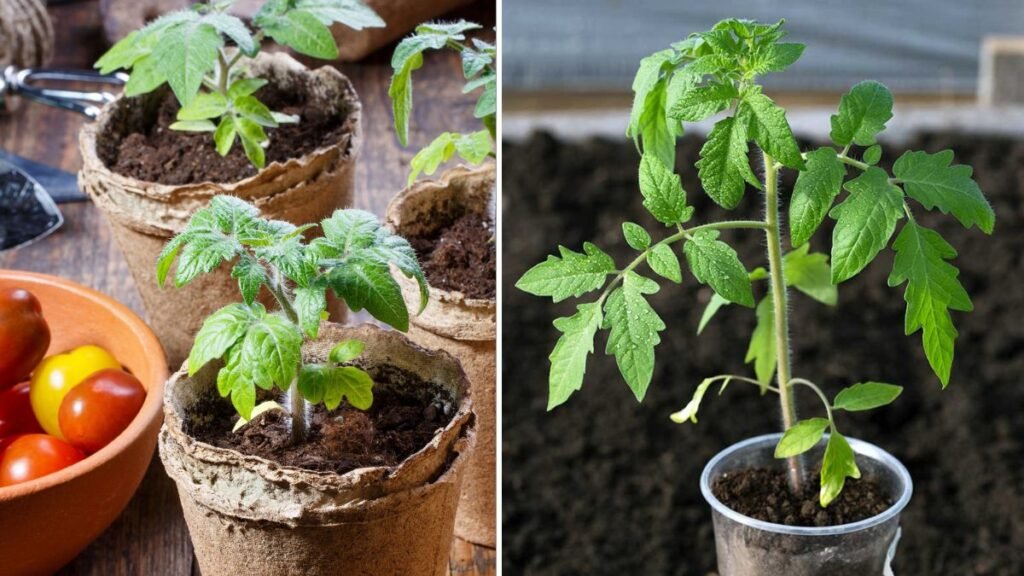
Bananas release potassium slowly. This strengthens stems. Roots develop faster. Seedlings appear greener. Banana nutrients support early growth. No additional fertilizer needed initially. Natural feeding is gentle. Seedlings grow steadily.
Banana Nutrient Benefits
| Nutrient | Benefit |
|---|---|
| Potassium | Strong roots |
| Phosphorus | Healthy growth |
Transplanting Seedlings
Transplant when seedlings have true leaves. Handle gently. Avoid damaging roots. Use larger containers. Banana-enriched soil supports transplant shock. Water after transplanting. Seedlings establish quickly. Proper timing matters.
Hardening Off Seedlings
Gradually expose seedlings to outdoor conditions. Increase sunlight daily. Reduce watering slightly. This strengthens plants. Hardening prevents shock. Banana-fed seedlings adapt well. Slow adjustment is best. Strong plants survive better.
Pest and Disease Prevention
Healthy seedlings resist pests. Keep containers clean. Avoid overcrowding. Neem oil can be used lightly. Good airflow prevents disease. Banana method encourages strong growth. Prevention is easier than cure. Clean practices matter.
Growth Comparison with Normal Seeds
Banana-grown seedlings often grow faster. Stems are thicker. Leaves appear greener. Root systems are stronger. Germination rate improves. Overall plant health is better. Natural nutrients make a difference. Gardeners notice clear results.
Common Mistakes to Avoid
Avoid using too much banana. Do not overwater. Do not bury seeds deeply. Avoid rotten bananas. Ensure drainage holes exist. Avoid placing in cold areas. Proper balance ensures success. Simple care prevents problems.
Transition to Regular Feeding
After a few weeks, begin regular feeding. Use organic compost tea. Avoid strong fertilizers initially. Gradual feeding supports growth. Banana nutrients reduce early feeding needs. Transition smoothly. Balanced nutrition continues success. Timing matters.
Expected Results
Seed germination improves noticeably. Seedlings grow stronger. Transplant success rate increases. Plants flower earlier. Overall yield improves. Gardeners save money. Natural methods work effectively. Results are satisfying.
Environmental Benefits
Using bananas reduces kitchen waste. Avoids chemical fertilizers. Supports sustainable gardening. Promotes organic growing. Saves money. Encourages recycling. Improves soil health naturally. Gardening becomes eco-friendly.
Conclusion
Using bananas to grow tomato seeds is a simple and powerful natural technique. It improves germination, strengthens seedlings, and supports healthy growth. This method is perfect for home gardeners seeking organic and affordable solutions.