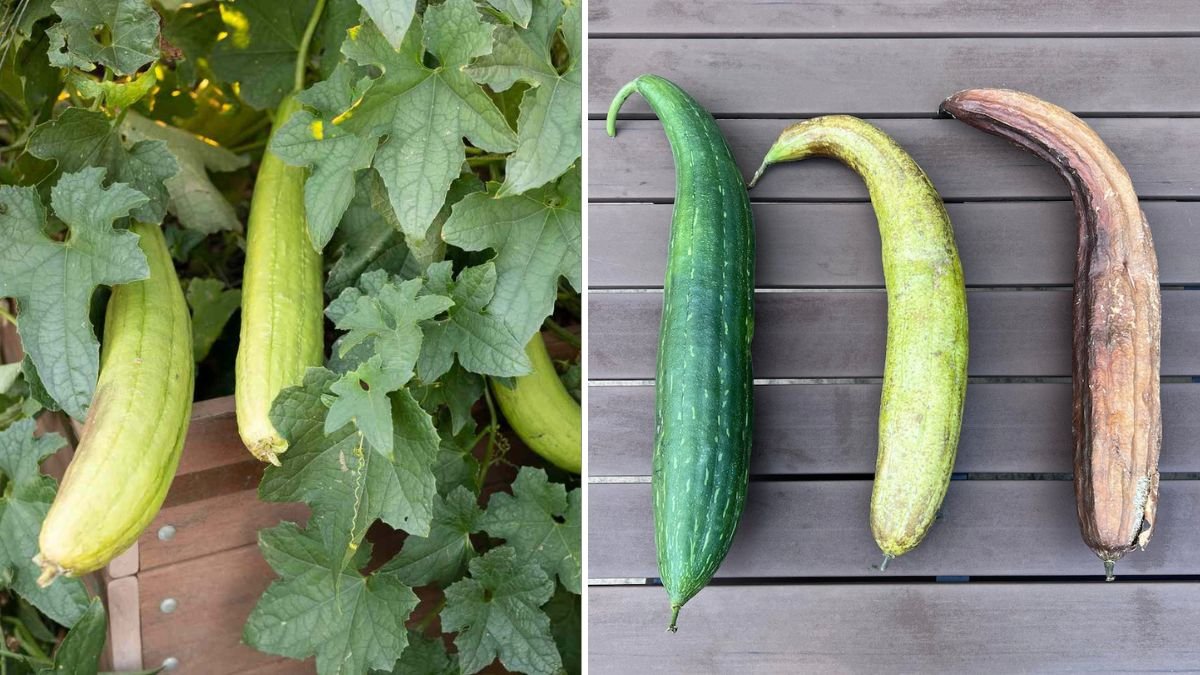
Loofah is a vigorous climbing plant that adapts well to container gardening. With proper support, it produces long, aromatic fruits. Containers allow control over soil quality. Loofah thrives in warm, sunny conditions. Growing in containers reduces pest problems. This method suits balconies, terraces, and rooftops. With care, yields are abundant. Container loofah is ideal for urban gardeners.
Understanding Loofah Plant Growth
Loofah grows as a fast-climbing vine. It requires strong vertical support. Roots grow deep and need loose soil. Flowers appear early with good nutrition. Pollination leads to rapid fruit development. Healthy vines grow continuously. Growth depends on sunlight and feeding. Understanding habits improves planning.
Choosing the Right Containers for Loofah
Use large containers at least 30–40 liters. Deep containers support strong roots. Ensure sturdy material. Drainage holes are essential. Lightweight plastic is ideal. Place containers securely. Larger containers produce larger fruits. Container choice affects yield.
Preparing Drainage for Container Loofah
Add gravel or broken pots at the bottom. Ensure free water flow. Prevent soil compaction. Good drainage avoids root rot. Loofah likes moisture but not soggy soil. Proper drainage improves oxygen flow. Healthy roots grow faster. Preparation is critical.
Best Soil Mix for Aromatic Loofah
Use fertile, well-draining soil. Mix compost, garden soil, and sand. Add organic matter generously. Slightly alkaline soil works well. Loose soil promotes root expansion. Rich soil improves aroma. Balanced soil ensures continuous flowering. Soil quality defines success.
Selecting High-Yield Loofah Varieties
Choose fast-growing aromatic varieties. Hybrid seeds perform better. Disease resistance improves survival. Local varieties adapt easily. Strong genetics ensure uniform fruits. Avoid old seeds. Healthy seedlings establish quickly. Variety choice affects harvest quality.
Planting Loofah in Containers
Sow seeds directly or transplant seedlings. Plant one plant per container. Cover seeds lightly. Water gently after planting. Place in warm location. Germination occurs quickly. Strong starts ensure healthy vines. Avoid root disturbance.
Sunlight Requirements for Long Fruits
Loofah needs full sunlight. Provide 6–8 hours daily. Morning sun is ideal. Avoid shade. Insufficient light reduces flowering. Strong sunlight improves aroma. Light exposure affects fruit length. Proper placement is essential.
Watering Schedule for Container Loofah
Water deeply and consistently. Containers dry faster. Morning watering is best. Avoid water stress. Mulching helps retain moisture. Irregular watering causes fruit drop. Balanced moisture improves yield. Monitor soil regularly.
Feeding Loofah for Continuous Production
Feed every 10 days. Use organic liquid fertilizer. Potassium supports flowering. Nitrogen supports vine growth. Avoid excess feeding. Regular nutrition ensures steady harvest. Balanced feeding improves aroma. Healthy plants produce more fruits.
Providing Strong Trellis Support
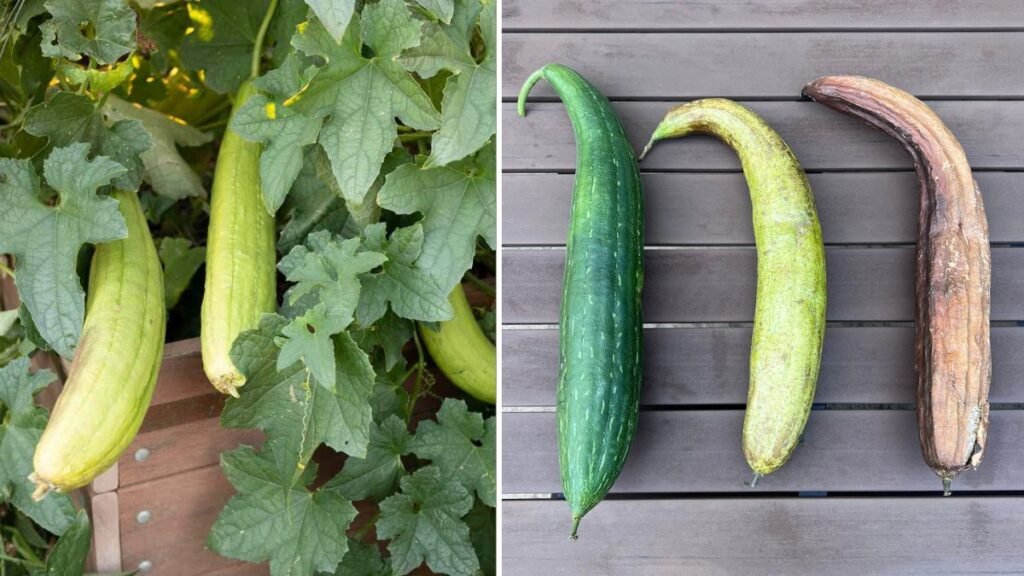
Install strong trellises or nets. Loofah vines grow heavy. Vertical support saves space. Hanging fruits grow straight. Trellising improves airflow. Reduces disease risk. Strong support extends vine life. Structure is essential.
Flowering and Pollination Management
Loofah produces male and female flowers. Bees help pollination. Hand pollination improves yield. Morning pollination is best. Healthy flowers signal good nutrition. Poor pollination reduces fruit count. Care improves success. Observation helps timing.
Pruning and Vine Control
Trim excessive side shoots. Focus energy on main vines. Pruning improves airflow. Encourages larger fruits. Remove yellow leaves. Controlled growth improves yield. Clean plants resist pests. Pruning is beneficial.
Pest and Disease Control
Common pests include aphids and beetles. Neem oil works effectively. Remove affected leaves. Good airflow prevents fungal disease. Container growing reduces soil pests. Organic control keeps produce safe. Prevention is key.
Temperature and Seasonal Care
Loofah prefers warm weather. Protect from cold nights. Shade during extreme heat. Containers allow easy relocation. Mulching stabilizes temperature. Seasonal care improves yield. Adapt care as needed. Stable conditions matter.
Harvesting Loofah at the Right Stage
Harvest young loofah for eating. Harvest mature loofah for sponges. Use scissors to cut fruits. Frequent harvesting encourages growth. Morning harvest is best. Handle fruits gently. Timely harvesting improves quality. Regular picking increases yield.
Expected Yield from Container-Grown Loofah
| Growing Factor | Outcome |
|---|---|
| First harvest | 60–70 days |
| Fruits per plant | 10–20 |
| Container size | Large |
| Growing space | Vertical |
Common Problems and Easy Solutions
Flower drop indicates stress. Small fruits show nutrient issues. Yellow leaves signal water imbalance. Adjust care quickly. Improve sunlight exposure. Feed regularly. Early correction prevents loss. Experience improves results.
Benefits of Growing Loofah in Containers
Space efficient. High yield. Easy maintenance. Cleaner fruits. Suitable for urban homes. Dual use vegetable and sponge. Sustainable gardening. Very rewarding.
Conclusion: Grow Aromatic Loofah Anywhere with Containers
Container loofah gardening makes this versatile plant accessible to everyone. With sunlight and care, harvests are generous. Even small spaces can produce impressive yields. Loofah adds beauty and utility. Start growing today and enjoy fresh, aromatic results. Container gardening makes it possible.