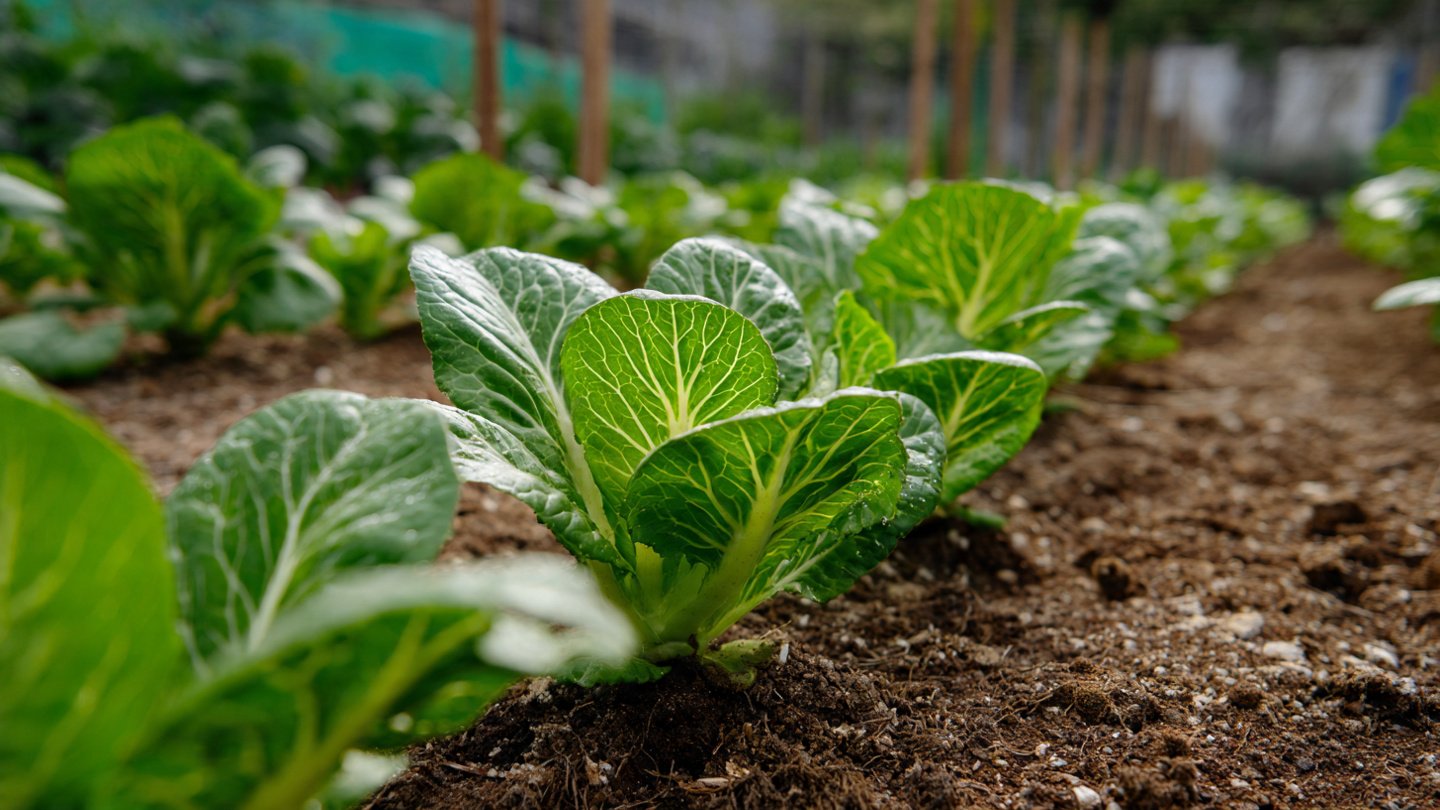
Gardening can be a rewarding experience, but it can also be frustrating, especially when you notice that your vegetables are not growing as quickly or as robustly as you expected. Slow growth can result from various factors, ranging from environmental conditions to gardening practices. Understanding these reasons can help you take the necessary steps to promote healthier and more productive plants in your garden.
1. Soil Quality
The quality of the soil in which you plant your vegetables is perhaps the most critical factor influencing growth. Poor soil composition can hinder the growth of plants.
- Nutrient Deficiency: Essential nutrients such as nitrogen, phosphorus, and potassium are needed for plant growth. If your soil lacks these nutrients, your vegetables may grow slowly or produce poor yields.
- Soil pH: The pH level of soil determines nutrient availability. Most vegetables thrive in a slightly acidic to neutral pH (around 6.0 to 7.0). If the pH is too high or too low, plants may suffer.
- Compaction: Compact soil restricts root development and water infiltration. Use mulch and organic matter to improve soil structure.
2. Insufficient Sunlight
Vegetables generally require ample sunlight for the photosynthesis process, which is essential for growth. If your garden doesn’t receive at least 6 hours of direct sunlight a day, you might experience slow growth.
- Shading: Nearby trees, buildings, or larger plants can block sunlight. Consider relocating plants or selectively pruning to improve light exposure.
- Seasonal Light Changes: The angle of the sun changes with the seasons. Ensure that your garden is well-planned to take advantage of sunlight throughout the growing season.
3. Inadequate Watering
Water is essential for plant growth, but both overwatering and underwatering can lead to problems.
- Underwatering: If vegetables do not receive enough water, they will not be able to absorb nutrients effectively, leading to stunted growth.
- Overwatering: Excess moisture can lead to root rot and other fungal diseases. Ensure that your soil has good drainage to prevent water from sitting around the roots.
4. Pest Infestation
Garden pests can significantly impact the growth of your vegetables. Pests such as aphids, caterpillars, and beetles can damage plants and hinder their growth.
- Signs of Infestation: Look for holes in leaves, sticky residue, or visible insects. Regularly inspect your plants to catch infestations early.
- Control Methods: Use organic or chemical pest control methods as needed. Introduce beneficial insects, such as ladybugs, to help manage pest populations naturally.
5. Plant Diseases
Diseases caused by fungi, bacteria, and viruses can also slow down your vegetable growth.
- Symptoms: Yellowing leaves, wilting, or stunted growth can be signs of disease. Identify the specific disease affecting your plants for effective treatment.
- Prevention: Rotate crops each year to prevent soil-borne diseases and ensure proper spacing to allow airflow between plants, which can minimize fungal diseases.
6. Temperature Extremes
Temperature plays a significant role in vegetable growth. Most vegetables have an optimal temperature range in which they thrive.
- Too Cold: Some vegetables, like tomatoes and peppers, prefer warmer temperatures. Frost or cool nights can damage these plants and slow their growth.
- Too Hot: Conversely, extreme heat can cause stress, leading to wilting or sunscald. Consider providing shade cloth or mulching to protect plants.
7. Improper Spacing
Planting vegetables too close together can lead to competition for resources such as sunlight, water, and nutrients.
- Proper Spacing: Follow planting guidelines for each vegetable variety to ensure they have enough room to grow. This can improve air circulation and reduce disease risk.
- Thinning Seedlings: If you’ve sown seeds too thickly, thinning out the weaker seedlings can help the remaining plants access more light and nutrients.
8. Lack of Mulching
Mulching is the practice of covering the soil around plants, which offers numerous advantages.
- Moisture Retention: Mulch can help retain soil moisture and reduce the need for frequent watering.
- Weed Control: Weeds compete for resources. Mulch can suppress their growth, allowing your vegetables to flourish.
9. Fertilizing Errors
Correct fertilization is crucial for plant growth. However, too much or too little fertilization can cause issues.
- Over-Fertilization: Excess nutrients can lead to nutrient burn, harming your plants.
- Under-Fertilization: On the other hand, a lack of nutrients can result in poor growth. Conduct a soil test to determine the nutrient profile of your soil before fertilizing.
10. Wrong Varieties
Not all vegetable varieties are suitable for every climate or soil type. Choosing the wrong variety can lead to disappointing results.
- Local Adaptation: Opt for varieties that are known to perform well in your local climate and soil conditions. Consult local gardening stores or extension services for recommendations.
- Seed Quality: Ensure you’re using high-quality seeds from a reputable supplier, as poor-quality seeds may have reduced germination rates.
Conclusion
Understanding the various factors influencing vegetable growth is essential for creating a thriving garden. By addressing issues such as soil quality, sunlight, watering practices, pest control, and plant selection, you can significantly enhance the growth and yield of your vegetables. Gardening is a learning process, and by observing your plants and making necessary adjustments, you can improve your skills and enjoy a bountiful harvest.
FAQs
1. What is the best way to improve soil quality?
To improve soil quality, you can add organic matter like compost or well-rotted manure, perform regular soil tests to monitor pH and nutrient levels, and practice crop rotation.
2. How can I check if my vegetables are receiving enough water?
Your plants need consistent moisture. You can check the soil by digging a small hole 1-2 inches deep; it should feel moist but not soggy. Always adjust your watering schedule based on weather conditions.
3. How often should I fertilize my vegetable garden?
The frequency of fertilization depends on your soil’s nutrient profile and the type of vegetables you are growing. Typically, a balanced fertilizer can be applied every 4-6 weeks during the growing season, but thorough testing will provide the best guidelines.
4. What are some common signs of pest damage?
Common signs include holes in leaves, distorted growth, yellowing leaves, and sticky residues on plants, which may indicate the presence of aphids or other sap-sucking pests.
5. Can I grow vegetables in partial shade?
While most vegetables prefer full sun, some can thrive in partial shade, such as lettuce, spinach, and certain herbs. Choosing shade-tolerant varieties can help maximize your garden’s potential.