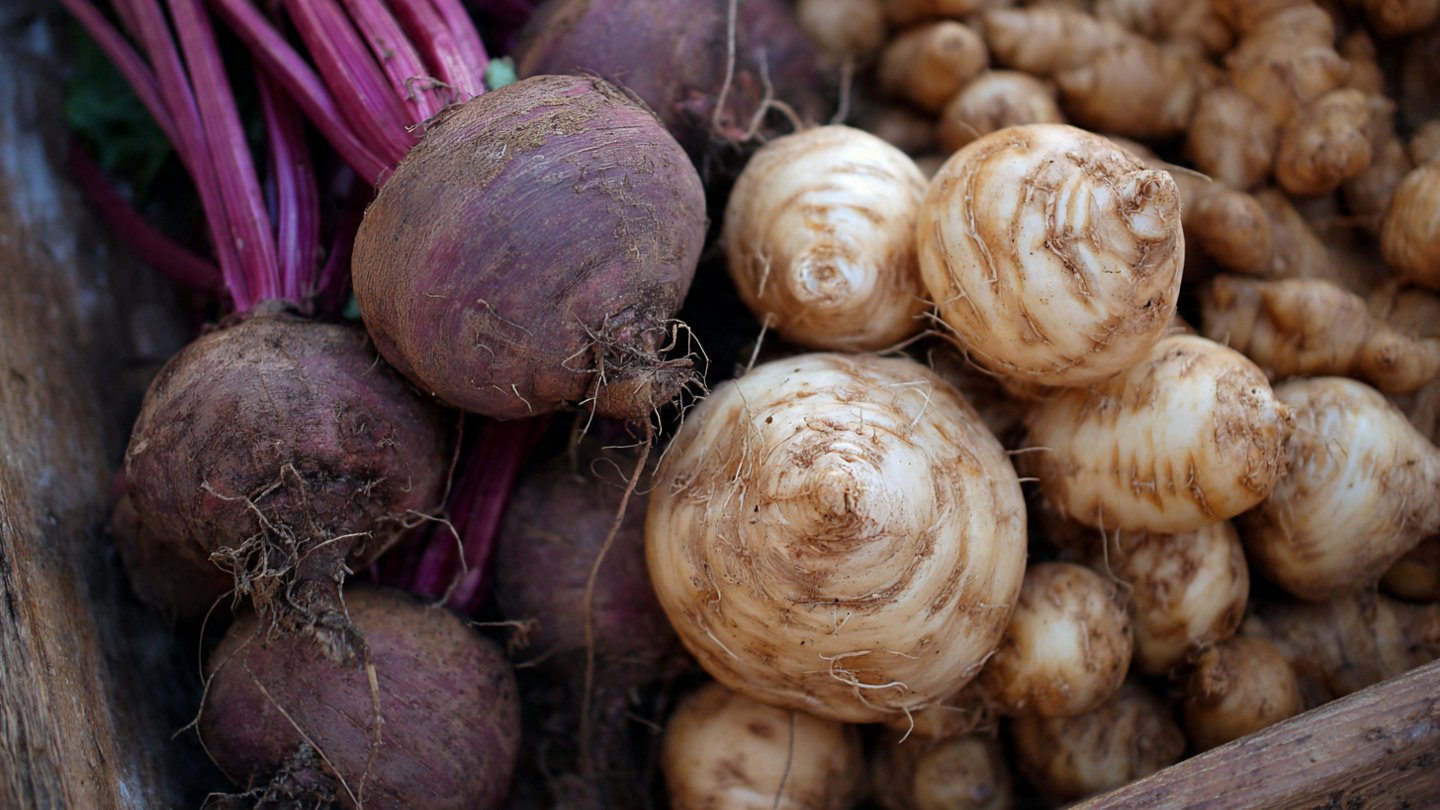
Root crops, such as potatoes, carrots, sweet potatoes, and turnips, provide essential nutrients and energy to populations around the world. However, various factors can influence their growth and yield. While root crops are generally regarded as hardy and resilient, a variety of challenges can lead to underperformance and small growth rates. This article explores the key factors affecting the growth of root crops, allowing farmers and agricultural enthusiasts to address these issues effectively.
1. Soil Quality
The basis of root crop growth lies in the quality of the soil. Soil lacking in essential nutrients such as nitrogen, phosphorus, potassium, and others may yield smaller crops. Two critical aspects of soil quality include:
- Soil Fertility: The presence of vital nutrients is crucial for robust growth. Conducting soil tests can help determine nutrient levels and guide fertilization practices.
- Soil Structure: Compacted or heavy soils can impede root development, restricting growth. Well-aerated soils encourage healthy root expansion.
2. Water Management
Water is necessary for the growth and development of root crops, but the quantity and timing of water are equally critical. Both overwatering and underwatering can lead to poor crop growth:
- Overwatering: Excessive water can cause root rot and fungal diseases, which can severely stunt growth.
- Underwatering: Insufficient moisture levels can inhibit root development and lead to smaller yields. Ensuring appropriate irrigation schedules is essential.
3. Temperature
The temperature affects seed germination and root development. Different root crops have varying temperature requirements:
- Optimal Temperature Ranges: For instance, potatoes prefer cooler temperatures between 60°F to 70°F (15°C to 21°C), while sweet potatoes thrive in warmer climates. Too low or too high temperatures can stress the plants, leading to reduced yields.
- Frost Exposure: Late spring or early fall frosts can damage young root crops. Farmers should be aware of local frost dates to implement protective measures.
4. Pests and Diseases
Root crops are susceptible to various pests and fungal diseases that can compromise growth:
- Pests: Insects such as aphids and root maggots can damage root systems, leading to reduced plant vigor.
- Diseases: Fungal infections, such as powdery mildew or blights, can severely impact growth. Implementing integrated pest management (IPM) strategies can mitigate these risks.
5. Variety Selection
Choosing the right variety of root crop can significantly influence the yield:
- Local Adaptation: Selecting varieties well-suited to the local climate and soil conditions is crucial. Some root crops are better suited to specific regions, which can enhance the chances of successful growth.
- Genetic Resistance: Some varieties are bred for resistance to common pests and diseases, making them more likely to thrive.
6. Agricultural Practices
Farm management practices play a pivotal role in determining the success of root crop cultivation:
- Crop Rotation: Rotating crops helps prevent soil degradation and pest buildup. It can improve soil health and provide optimal conditions for root crops.
- Tillage Practices: The method and depth of tillage affect the soil structure and aeration, both of which are crucial for root development.
7. Climate Change
Climate change poses a significant challenge to agricultural practices, including root crops:
- Extreme Weather: Increasingly erratic weather patterns can lead to droughts or excessive rainfall, both of which negatively impact root growth.
- Altered Growing Seasons: Changes in climate can shorten or lengthen growing seasons, affecting crop yields.
8. Economic Factors
The economic environment can indirectly influence the growth of root crops:
- Market Demand: Low market prices can discourage farmers from investing in quality seeds, fertilizers, and pest control measures.
- Access to Resources: Economic constraints can limit access to modern agricultural tools and technologies that can enhance growth.
Conclusion
Understanding the factors leading to small growth in root crops is essential for successful agricultural practices. By carefully monitoring soil quality, managing water resources, selecting appropriate varieties, and employing effective pest management strategies, farmers can improve crop yields. Furthermore, being aware of the impacts of climate change and economic conditions can empower the agricultural community to make informed decisions. Ultimately, addressing these challenges will facilitate sustainable growth in root crops, contributing to food security and economic stability globally.
FAQs
What are the most common root crops?
Common root crops include potatoes, carrots, beets, sweet potatoes, turnips, and radishes.
How can I improve soil quality for root crops?
Improving soil quality can be achieved through regular soil testing, adding organic matter, and using appropriate fertilizers based on nutrient deficiencies.
What are the signs of pest infestation in root crops?
Signs of pest infestation include visible damage to leaves, wilting plants, and stunted growth. Regular inspections are important for early detection.
How does climate change affect root crop yield?
Climate change can lead to unpredictable weather patterns, which may result in droughts or excessive moisture, adversely impacting crop growth and yields.
Is crop rotation necessary for root crops?
Yes, crop rotation is important as it helps maintain soil health, reduces pest buildup, and can lead to improved yields in subsequent plantings.