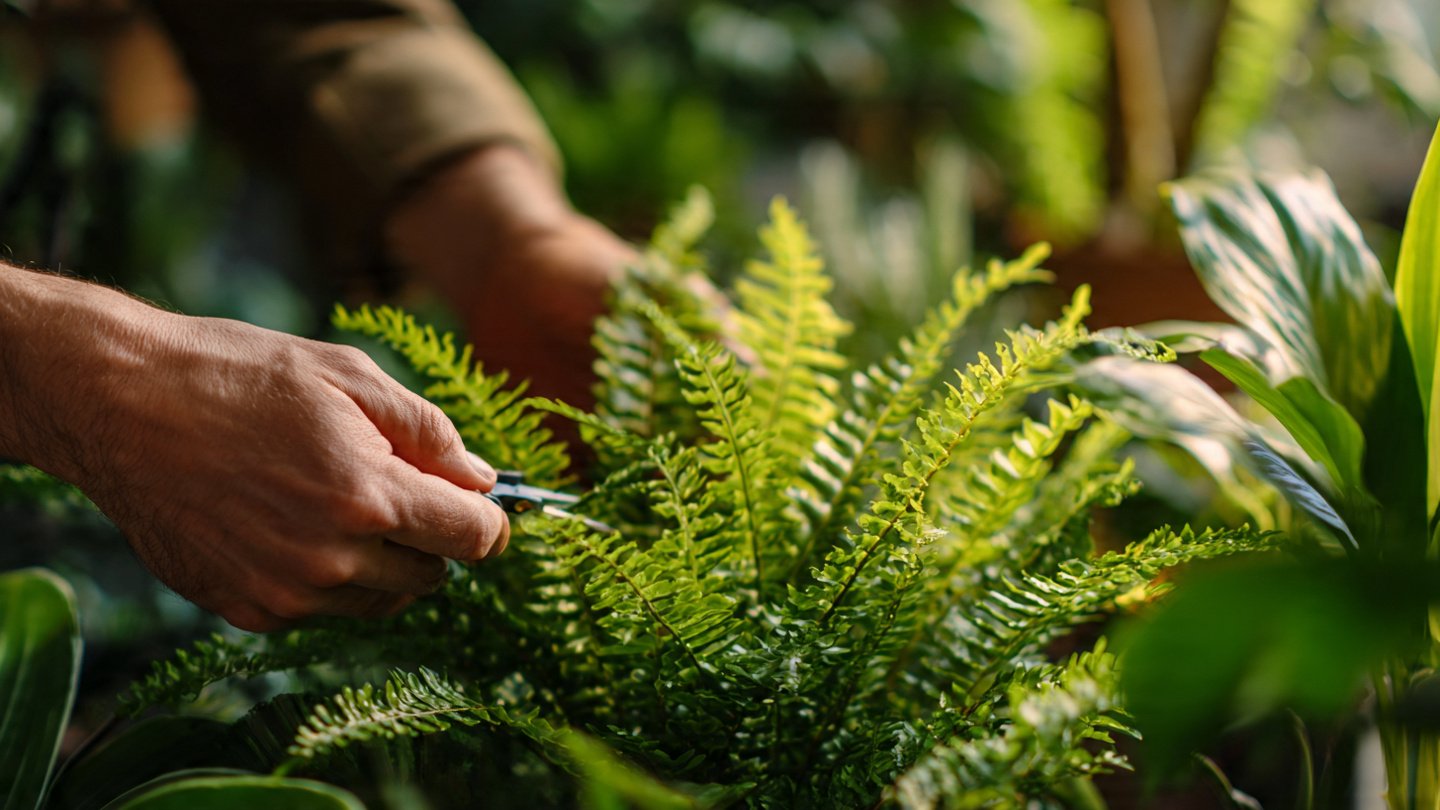
Thinning is a crucial practice for promoting healthier plants in both gardens and agricultural settings. It involves the selective removal of plants to ensure that the remaining ones can thrive without competition for resources. This article will delve into various effective thinning techniques and their benefits for plant health, growth, and yield.
Understanding Thinning
Thinning enables better air circulation, improves sunlight penetration, and reduces disease risk among plants. Key factors to consider when planning a thinning strategy include:
- Plant Type: Different plants have varied requirements for space and resources.
- Growth Stage: Thinning is often done at specific stages of growth for maximum benefit.
- Environmental Conditions: Weather and soil conditions can affect how and when thinning should be performed.
Benefits of Thinning
The practice of thinning offers numerous advantages for plant health:
- Improved Air Circulation: Proper spacing between plants allows for better airflow, reducing humidity levels that favor fungal diseases.
- Enhanced Sunlight Exposure: Thinning ensures that all plants receive adequate light, which is crucial for photosynthesis.
- Resource Allocation: By reducing competition for water, nutrients, and space, remaining plants can grow larger and healthier.
- Increased Yield: Thinned plants often produce larger fruits or flowers because they have access to more resources.
Effective Thinning Techniques
There are several effective thinning techniques to consider, depending on the type of plants being cultivated and the specific goals of the gardener or farmer.
1. Hand Thinning
Hand thinning is the most traditional and labor-intensive method. It involves manually removing excess plants. This technique is often applied to crops like carrots, beets, and other vegetables where seedlings are sown closely together.
- How to Hand Thin: Wait until seedlings have developed two to three true leaves. Carefully pull out unwanted plants by hand, ensuring minimal disturbance to the root systems of the remaining seedlings.
2. Mechanical Thinning
Mechanical thinning can save time and labor. Various tools, from simple hoes to advanced machinery, can be employed, especially in larger fields. Mechanical methods are efficient for thinning crops like corn and soybeans.
- How to Mechanically Thin: Use specialized thinning equipment to uproot excess plants. Be cautious to adjust the settings according to the type of crop to prevent damage to remaining plants.
3. Selective Thinning
This technique involves carefully choosing which plants to remove based on their vigor, spacing, and potential yield. Selective thinning is commonly used in orchards and vineyards.
- How to Perform Selective Thinning: Focus on removing weaker, smaller, or poorly-placed plants while allowing stronger, more robust species to remain. This ensures continued healthy growth and maximizes fruit production.
4. Visual Thinning
Visual thinning relies on the gardener’s experience and visual assessment of plant health and spacing. It’s particularly useful in ornamental gardens and flower beds.
- How to Visually Thin: Assess plant density visually and remove plants in overcrowded areas. Aim for a harmonious look while ensuring each plant has room to grow.
When to Thin
The timing of thinning is crucial for ensuring the health and productivity of plants. Here are some guidelines:
- Seedling Stage: Thinning is often done when seedlings are about 2-3 inches tall, or when they have developed their first true leaves.
- At Flowering: For flowering plants, thinning may be beneficial once flowering begins to improve bloom quality.
- Fruit Development: In fruit-bearing plants, thinning may take place during early fruit development to ensure larger fruit sizes.
Common Mistakes in Thinning
Understanding common mistakes can help gardeners avoid pitfalls:
- Thinning Too Late: Delaying thinning can lead to competition that stunts growth and reduces yield.
- Removing Too Many Plants: Over-thinning can leave too few plants, which may lead to decreased biodiversity and lower yields.
- Ignoring Plant Health: Failing to consider the health of individual plants can result in losing the most vigorous specimens.
Environmental Considerations
It’s essential to consider the environment when thinning plants:
- Soil Health: Ensure that the soil remains healthy and well-aerated. Thinning should not disrupt the soil structure excessively.
- Biological Diversity: Aim to maintain biodiversity in your garden or field; removing too many plants might favor certain pests or diseases.
- Seasonal Timing: Perform thinning at the appropriate time of the season to avoid stressing plants.
Conclusion
Effective thinning is an essential agricultural practice that contributes significantly to healthier plants and increased yields. By understanding the various thinning techniques and their applications, gardeners and farmers can optimize growth conditions for their plants. Regular assessment, appropriate timing, and awareness of environmental conditions are crucial for successful thinning. Implementing these strategies will not only lead to robust plant health but also enhance the overall productivity of your garden or farm.
Frequently Asked Questions (FAQs)
1. What is the best time to thin plants?
The ideal time to thin plants is typically when they have developed a few true leaves, around 2-3 inches tall. For fruit and flowering plants, thinning may occur during early fruit development for better yield.
2. Can I thin plants in the fall?
Yes, fall thinning can be beneficial, especially for perennials and certain fruit-bearing plants. It can improve airflow and prepare the plants for winter dormancy.
3. What tools are best for mechanical thinning?
Tools like specialized seeders and thinners are best for mechanical thinning. The choice of tool depends on the scale of your operation and the type of plants being thinned.
4. Will thinning reduce my overall yield?
No, thinning generally increases yield by allowing the remaining plants access to more resources. This results in stronger, healthier plants with improved fruit and flower sizes.
5. How do I determine which plants to thin?
Consider the health, size, and spacing of plants. Remove weaker plants and ensure that remaining ones have sufficient space to grow properly.