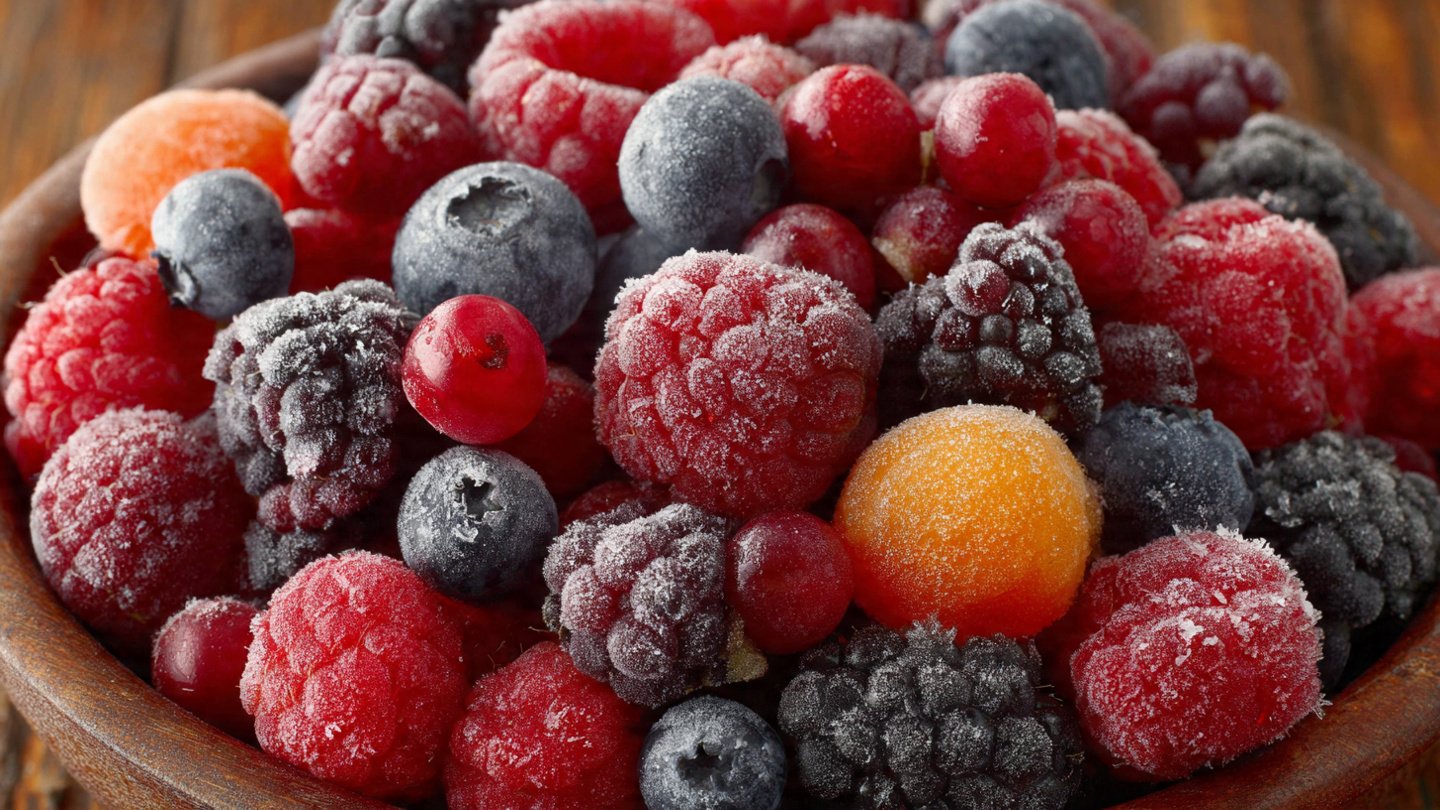
Freezing fruits is a common method of preservation that has become increasingly popular in modern households. As a convenient way to extend the shelf life of seasonal fruits, freezing not only helps to retain food security but also ensures that nutritional benefits are maintained over time. However, the process of freezing can influence both the nutritional value and flavor of fruits. This article delves into the effects of freezing on the nutritional value and flavor of fruits, exploring the science behind the process, potential benefits, and drawbacks, while also providing tips on how to maximize the quality of frozen fruits.
The Freezing Process
Freezing fruits involves reducing their temperature to below 0°F (-18°C), effectively halting microbial growth and enzymatic reactions that contribute to spoilage. The process usually involves the following steps:
-
Selection: Choosing ripe fruits is essential, as they are at their peak nutritional value and flavor.
-
Preparation: Fruits are washed, peeled (if necessary), and cut into appropriate sizes. This step can also include blanching, particularly for vegetables, which helps in preserving color, texture, and flavor.
-
Freezing: This can be done using various methods, such as tray freezing, where fruits are spread out on a baking sheet, or using a vacuum sealer, which removes air and prevents freezer burn.
-
Storage: After freezing, fruits are stored in airtight containers or freezer bags to minimize exposure to air, which can lead to oxidation and quality degradation.
Nutritional Value of Frozen Fruits
Retention of Nutritional Content
Studies suggest that freezing can preserve many vitamins and minerals in fruits. Water-soluble vitamins, particularly Vitamin C and B vitamins, can be sensitive to heat, light, and air. However, freezing helps prevent the loss of these nutrients by halting metabolic processes.
-
Antioxidants: Fruits such as blueberries, strawberries, and raspberries contain high levels of antioxidants. Freezing helps maintain their antioxidant properties, even extending some of their shelf lives compared to fresh fruits that may spoil more quickly.
-
Fiber: The fiber content in fruits remains relatively stable during freezing. Fiber is crucial for digestive health, and in this regard, frozen fruits can offer similar benefits to fresh options.
-
Minerals: The mineral content, including potassium, magnesium, and calcium, tends to remain unaffected by the freezing process. These minerals are vital for various physiological functions, including muscle contraction and bone health.
Nutrient Loss During Freezing
Despite the benefits, some nutrient loss can occur during the freezing process, particularly when fruits are blanched before freezing. This process can lead to the loss of up to 50% of certain vitamins. However, the loss is often minimal when fruits are frozen quickly after harvest.
-
Vitamin C: Although freezing preserves most of the vitamin C content, this nutrient can degrade over time during storage. It is best to consume frozen fruits within the first year for optimal nutritional value.
-
Thiamine and Riboflavin: These B vitamins are also susceptible to loss during the blanching stage. Therefore, minimal blanching or freezing without blanching can help retain these nutrients.
-
Flavor Compounds: While not a nutrient, flavor compounds can also be altered by freezing, affecting the overall taste of the fruit when thawed.
Flavor Changes in Frozen Fruits
One of the most notable effects of freezing on fruits is the change in flavor. The freezing process can impact the texture, sweetness, and overall taste, primarily due to changes in fruit cell structure.
Textural Impact
When fruits are frozen, the water inside them forms ice crystals. If the freezing happens quickly (flash freezing), these crystals are smaller, resulting in less cellular damage and a better texture once thawed. Slow freezing creates larger ice crystals, which can rupture cell walls and result in a mushy texture when thawed.
-
Delicate Fruits: Berries and peaches may endure textural changes the most. Berries become softer after thawing, which may affect their use in recipes but can be an advantage in smoothies or sauces.
-
Denser Fruits: Apples and bananas tend to freeze better and can retain a firmer texture post-thaw, making them suitable for snacking as well as baking.
Sweetness and Flavor Concentration
Freezing can affect the perception of sweetness in fruits. Some fruits, such as strawberries, may taste sweeter when thawed due to the concentration of sugars during the freezing process. Conversely, freezing can sometimes dull the natural flavors of certain fruits.
-
Enhanced Sweetness: Certain fruits may develop an intensified sweetness when frozen. This means that frozen strawberries might taste sweeter than their fresh counterparts, making them a desirable addition to desserts and smoothies.
-
Flavor Deterioration: While some flavors are retained, others may become muted. For instance, the bright acidity of a fresh lemon or the herbaceous notes in basil might diminish when frozen, thus altering the overall flavor profile.
Benefits of Freezing Fruits
Freezing fruits has several benefits that contribute to the preservation of both nutritional value and flavor:
-
Longevity: Frozen fruits can be stored for months or even a year without significant quality loss, making them a practical option for off-season consumption.
-
Convenience: Having frozen fruits on hand allows for easy access to healthy options for smoothies, baking, and cooking, promoting better dietary choices.
-
Cost-Effective: Buying fruits in bulk when they are in season and freezing them can lead to reduced grocery costs and minimize food waste.
-
Accessibility: Frozen fruits are available year-round, allowing people to enjoy a variety of options regardless of the growing season.
Tips to Maximize Nutrition and Flavor
To ensure that the nutritional value and flavor of frozen fruits are optimized, consider the following tips:
-
Choose High-Quality Fruits: Select ripe, high-quality fruits for freezing. Overripe or damaged fruits may impact flavor and texture once thawed.
-
Quick Freeze: Flash freeze fruits whenever possible to minimize ice crystal formation and produce a better texture post-thawing.
-
Limit Blanching: For fruits that don’t require blanching, avoid this step to preserve vitamins and flavor.
-
Airtight Storage: Use vacuum-sealed bags or airtight containers to minimize air exposure and prevent freezer burn, which can degrade both flavor and nutritional quality.
-
Thawing Methods: Thaw frozen fruits in the refrigerator or under cold running water for best results. Avoid microwaving, as this can lead to uneven heating and further texture degradation.
Conclusion
Freezing fruits is an efficient way to preserve their nutritional value and flavor, eliminating concerns about seasonal availability and spoilage. While some nutrient loss and flavor changes may occur during the freezing process, many vitamins and minerals remain intact, making frozen fruits a healthy option. With proper techniques and storage methods, frozen fruits can rival their fresh counterparts in both nutritional benefits and taste. Embracing frozen fruits can lead to a more versatile and health-conscious diet, ensuring that delicious and nutritious options are available all year round.