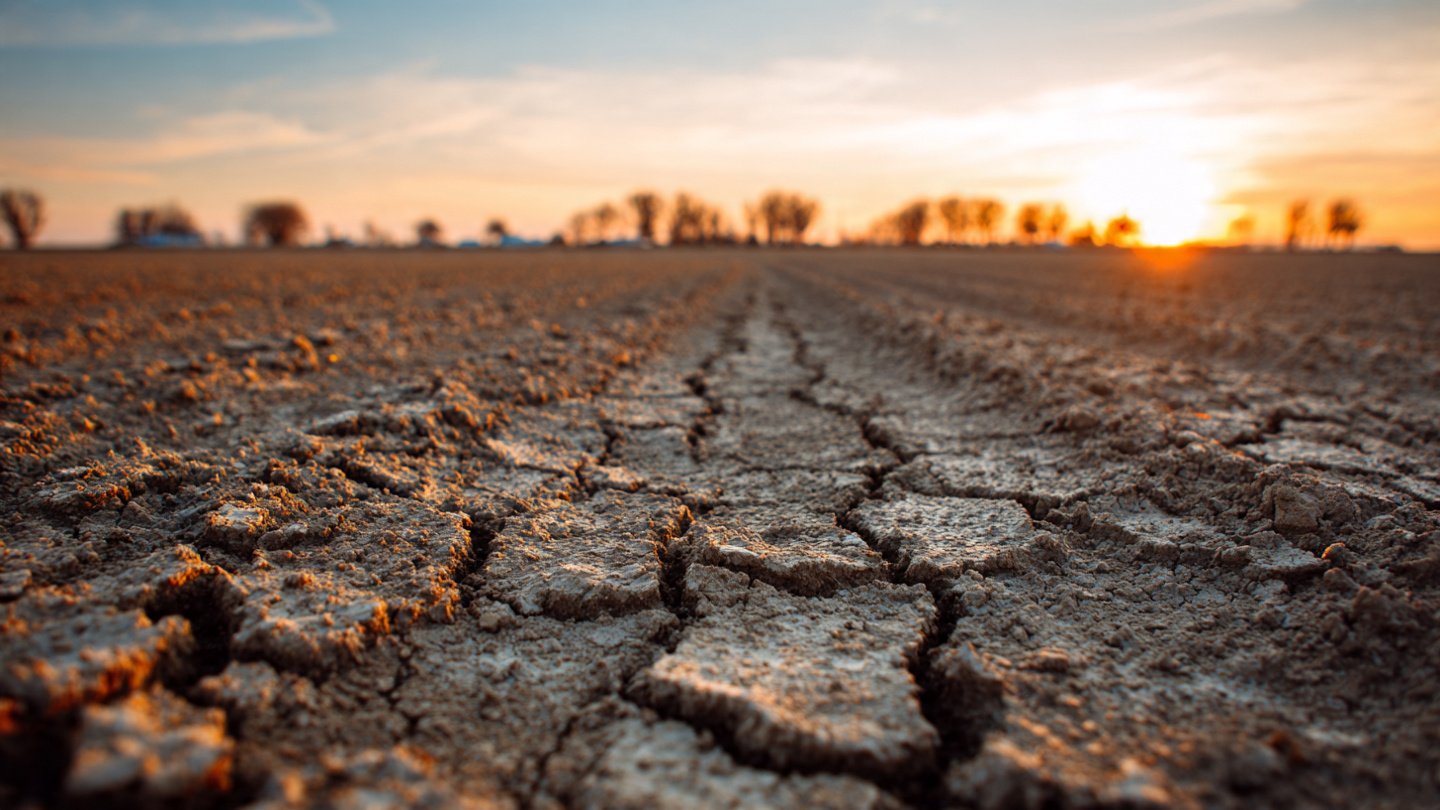
Soil compaction is a significant agricultural issue that can have far-reaching consequences on crop health and productivity. Understanding the mechanisms of soil compaction, its causes, and its impacts is essential for farmers, agronomists, and anyone involved in land management. This article outlines the causes of soil compaction, its consequences on crop health, and strategies for mitigating its effects.
Understanding Soil Compaction
What is Soil Compaction?
Soil compaction refers to the process by which soil particles are pressed closely together, resulting in reduced pore space. This leads to an increase in soil density and affects the soil’s physical properties. Compaction can occur naturally through processes such as rainfall and freeze-thaw cycles; however, it is predominantly caused by human activities, particularly through farming practices.
Causes of Soil Compaction
Several factors contribute to soil compaction, including:
- Heavy Machinery: Modern agriculture often relies on heavy equipment for planting, tilling, and harvesting. Continuous use of such machinery compacting the topsoil, especially when the soil is wet.
- Livestock Movement: Grazing livestock can lead to significant soil compaction, especially in confined areas where animals congregate, such as watering holes.
- Tillage Practices: While tillage is essential for soil management, it can also lead to compaction if not managed properly. Subsoiling or plowing, especially when the soil is not adequately dry, can exacerbate compaction.
- Soil Type: Certain soil types, such as clay, are more susceptible to compaction due to their fine particles, which are easily displaced and pressed together.
- Moisture Content: Wet soils are more prone to compaction as water acts as a lubricant between soil particles. When the soil is wet, it can be compressed more easily under pressure.
Consequences of Soil Compaction
The repercussions of soil compaction can significantly affect crop yield and health. Here are some of the primary consequences:
1. Reduced Soil Aeration
Soil compaction decreases the size and connectivity of soil pores, restricting air movement within the soil. Roots require oxygen for respiration, and a compacted soil environment can lead to root suffocation. This results in poor root growth and an inability of plants to absorb necessary nutrients and water, ultimately leading to stunted growth and reduced crop yields.
2. Impaired Water Drainage
Compacted soils have poor drainage characteristics. When water cannot adequately move through the soil profile, it can lead to waterlogging, which creates anaerobic conditions. These conditions are detrimental to root health and can lead to root rot diseases. Conversely, during dry periods, compacted soil can hinder water infiltration, making it difficult for crops to access moisture during critical growth stages.
3. Nutrient Availability
Compacted soils are often related to issues with nutrient availability. The reduced porosity affects microbial activity, which is essential for nutrient cycling. Important nutrients like nitrogen, phosphorus, and potassium may become less available to plants. Additionally, compounds essential for soil health, such as organic matter, can become compacted, further hindering their decomposing processes and their availability to crops.
4. Altered Soil Structure
Healthy soils feature a well-developed structure that supports root anchorage and nutrient exchange. Soil compaction destroys this structure, leading to a homogenous soil mass that lacks the necessary structural diversity for optimal crop health. This can also lead to increased erosion and loss of topsoil, further compounding health issues for crops.
5. Increased Weed Pressure
Compacted soils can promote certain weed species that thrive in denser, nutrient-depleted soils. Weeds compete with crops for light, water, and nutrients, thereby reducing crop yield and quality. Additionally, the presence of weeds can complicate harvest operations, requiring more resources and time for management.
6. Compromised Biodiversity
Healthy soil ecosystems are rich in biodiversity, including beneficial microorganisms, earthworms, and other organisms that contribute to soil health. Compaction reduces these populations, leading to less resilient soils that are unable to recover from disturbances. This loss of biodiversity can create a negative feedback loop, further degrading soil health and productivity.
7. Economic Impact
The economic ramifications of soil compaction can be significant. Lower crop yields directly impact profitability. Additionally, farmers may incur increased costs for inputs such as fertilizers, pesticides, and water as they attempt to manage the detrimental effects of compaction. Over time, the financial burden may lead to decreased sustainability of farming operations.
Mitigating Soil Compaction
Preventing and mitigating soil compaction is crucial for maintaining soil health and ensuring crop productivity. Here are some strategies that farmers can implement:
1. Reduce Tire Pressure
Using machinery with properly inflated tires can minimize soil compaction. Lower tire pressure can help distribute the weight of machinery over a larger surface area, reducing soil contact pressure.
2. Use Controlled Traffic Farming
Implementing a controlled traffic system can significantly reduce the area of compacted soil. By limiting machinery movement to specific lanes, farmers can keep the majority of the field in an uncompacted state.
3. Timing of Field Operations
Conducting field operations during optimal moisture conditions can help to prevent soil compaction. Avoiding operations when soils are wet can minimize the risk of compaction and sustain soil structure.
4. Cover Crops and Crop Rotation
Planting cover crops during fallow periods can help improve soil structure and condition. Deep-rooting cover crops increase porosity while also adding organic matter. Crop rotation can also improve soil health by breaking pest cycles and enhancing nutrient availability.
5. Subsoiling and Aeration
In some cases, subsoiling or mechanical aeration may be necessary to relieve compaction. Subsoiling can break up compacted layers below the surface, allowing roots to penetrate deeper and access more nutrients and moisture.
6. Incorporating Organic Matter
Adding organic matter, such as compost or green manure, can improve soil structure over time. Organic matter helps to create a more porous soil environment, enhancing aeration, water infiltration, and nutrient retention.
7. Monitor Soil Health
Regular soil testing can help farmers monitor soil health and identify areas prone to compaction. Understanding the composition and structure of the soil allows for tailored management strategies, ensuring a proactive approach to preventing compaction.
Conclusion
Soil compaction is a critical issue affecting crop health, with lasting implications for agricultural productivity and sustainability. By understanding its causes and consequences, farmers and land managers can take appropriate measures to mitigate its effects, fostering healthier soils and, in turn, healthier crops. Through diligent management practices and an emphasis on soil health, it is possible to create a more resilient agricultural system capable of meeting the food demands of the future.