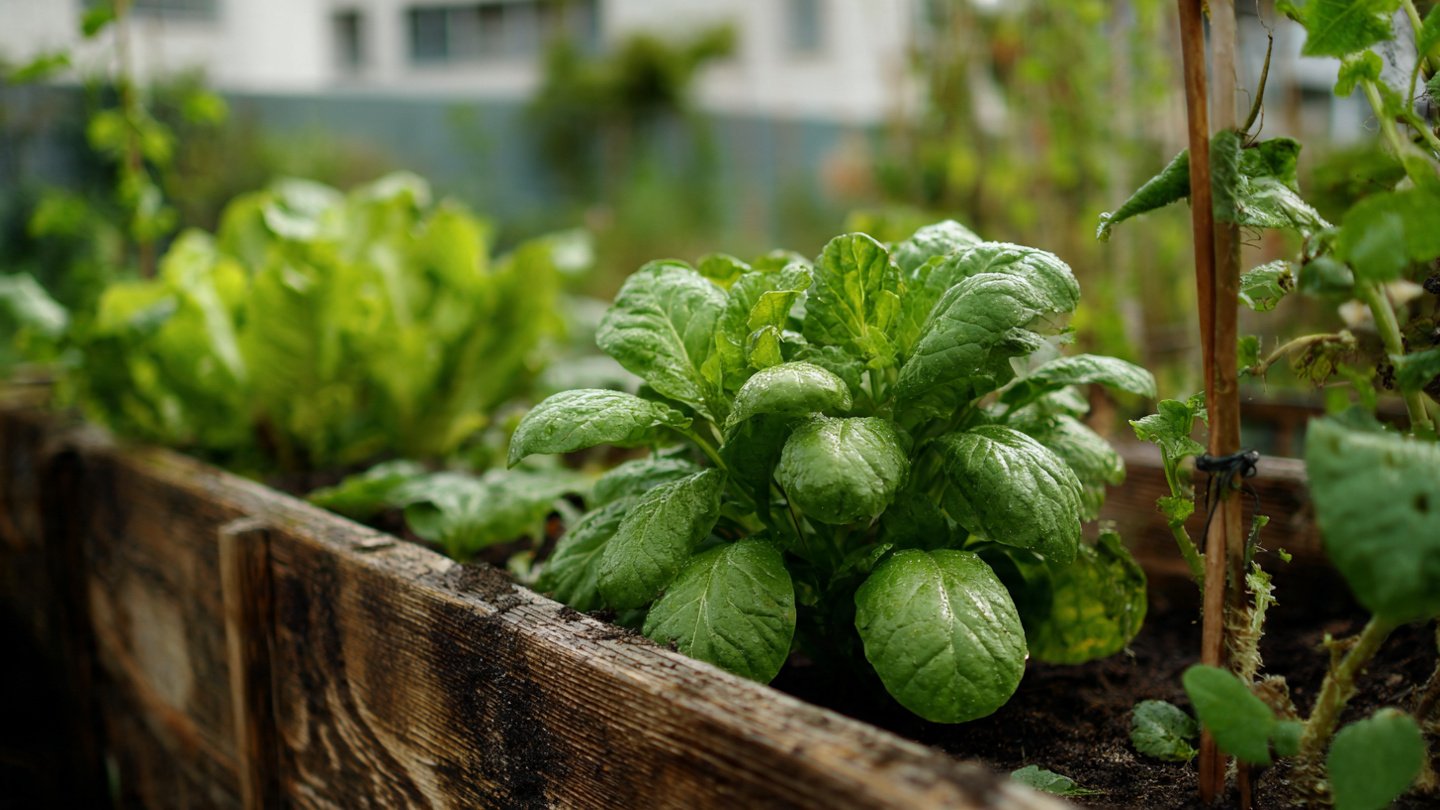
Container gardening has become increasingly popular among urban dwellers and gardening enthusiasts alike. The convenience of growing vegetables in pots allows gardeners to make use of limited space, whether on balconies, patios, or small backyards. However, many beginners face challenges that lead to unsuccessful container gardens. This article explores common mistakes made by novice container gardeners and provides tips on how to avoid them for a thriving vegetable garden.
1. Choosing the Wrong Containers
One of the most common mistakes is selecting inappropriate containers for vegetable gardening. Not all containers are suited for growing plants. Here are some factors to consider:
- Material: Use containers made from breathable materials like clay or wood. Plastic containers can retain too much moisture, leading to root rot.
- Size: Opt for containers that are large enough for the root systems of the chosen vegetables. Small containers often limit growth.
- Drainage: Ensure containers have adequate drainage holes to prevent water accumulation at the bottom.
2. Overwatering or Underwatering
Finding the right balance of moisture is vital for container-grown plants. Both overwatering and underwatering can lead to plant stress or death. Tips for proper watering include:
- Check Soil Moisture: Stick your finger about an inch into the soil; if it feels dry, it’s time to water.
- Water Thoroughly: When watering, do so until you see water draining from the bottom of the container. This ensures even moisture distribution.
- Consider the Weather: In hot weather, containers may dry out faster; adjust your watering schedule accordingly.
3. Poor Soil Choices
Using the wrong type of soil can hinder the growth of your vegetables. Many gardeners make the mistake of using regular garden soil in containers, which is often too dense and not suitable for container gardening. Instead, consider the following:
- Use Quality Potting Mix: Potting soils are specially formulated with a mix of organic matter, peat, and other materials that promote drainage and aeration.
- Avoid Garden Soil: Garden soil can contain pests, diseases, and may not provide the necessary nutrients for container plants.
- Consider Amendments: Adding compost or organic fertilizers can enhance soil fertility and structure.
4. Ignoring Sunlight Requirements
Different vegetables have varying sunlight needs, and failing to account for this can lead to poor growth. Here’s how to ensure your container garden receives adequate sunlight:
- Choose the Right Location: Place containers in spots that receive sufficient sunlight, typically 6-8 hours a day for most vegetables.
- Rotate Containers: If possible, rotate your containers throughout the growing season to optimize sun exposure.
- Choose Shade-Tolerant Plants: If sunlight is limited, consider growing vegetables that thrive in partial shade, such as lettuce and spinach.
5. Neglecting Fertilization
Container plants rely on the nutrients in potting soil, which can deplete quickly. Neglecting to fertilize can lead to nutrient deficiencies, resulting in stunted growth and poor yields. To ensure healthy plants:
- Use Slow-Release Fertilizers: Apply a slow-release fertilizer at the beginning of the growing season to provide continuous nutrients.
- Monitor Plant Health: Watch for signs of nutrient deficiency, such as yellowing leaves, and adjust fertilization accordingly.
- Consider Organic Options: Organic fertilizers, like compost tea or fish emulsion, can be excellent for maintaining soil fertility.
6. Planting Too Close Together
Another frequent mistake made in container gardening is overcrowding plants. This can lead to competition for light, nutrients, and water. To avoid this issue:
- Follow Spacing Guidelines: Refer to seed packets or plant tags for recommended spacing between plants to ensure adequate airflow and growth.
- Group by Size: When planting different types of vegetables together, group smaller plants with larger ones to optimize space.
- Thin Seedlings: If starting from seeds, thin out seedlings as they grow to prevent overcrowding.
7. Not Considering Plant Compatibility
Certain plants do well together (companions), while others may compete for resources or inhibit each other’s growth. Understanding plant compatibility can enhance garden productivity:
- Research Companion Planting: Novices should familiarize themselves with plants that support each other’s growth, such as tomatoes and basil.
- Avoid Incompatible Plants: Be cautious of plants like onions and garlic that can inhibit the growth of legumes.
- Diversity is Key: A diverse planting can help deter pests and attract beneficial insects.
8. Ignoring Pest Management
Container gardens can attract various pests, which can quickly damage plants if not managed. Here are some strategies for effective pest control:
- Regular Inspections: Regularly check for signs of pests or diseases, such as holes in leaves or webbing.
- Use Organic Pesticides: If pests are identified, consider using organic methods like neem oil or insecticidal soap to manage them.
- Encourage Beneficial Insects: Plant flowers that attract beneficial insects, which can help control pest populations.
9. Failure to Rotate Crops
Crop rotation is a critical practice in traditional gardening, and container gardening is no exception. Not rotating your crops can lead to soil nutrient depletion and increased pest pressure. Here’s how to implement rotation:
- Change Plant Families: Each year, change the type of vegetables grown in containers by using different plant families to improve soil health.
- Keep a Gardening Journal: Document what you’ve planted each season, helping you track crop rotation and performance.
10. Not Taking Seasonal Changes into Account
Understanding seasonal changes is essential for a successful container vegetable garden. Many gardeners fail to realize how seasons impact growth and harvest:
- Planting Timing: Stick to seasonal guidelines for planting specific vegetables to ensure you’re planting during their ideal growing conditions.
- Seasonal Care: As temperatures change, be prepared to manage watering, shading, and protection against frost.
- Plan for Successive Cropping: After harvesting one crop, replace it with another appropriate for the season to maximize yield.
Conclusion
Container gardening can be a rewarding and productive way to grow vegetables, but it requires attention to detail and a bit of knowledge. By avoiding the common mistakes outlined above—choosing the right containers, managing water, selecting the appropriate soil, and considering plant compatibility—you can create a thriving container vegetable garden. Each season presents a new opportunity to learn and adapt your gardening practices, leading to more fruitful harvests and a deeper appreciation for the art of gardening.
FAQs
1. What type of container is best for growing vegetables?
Containers made from breathable materials like clay or wood are ideal. Ensure they have good drainage and are large enough for the root systems of your plants.
2. How often should I water my container vegetables?
Watering frequency depends on various factors including weather and plant type. Generally, water when the top inch of soil feels dry, ensuring water drains from the bottom.
3. Can I use regular garden soil in my containers?
No, regular garden soil is often too dense and may cause poor drainage. It’s best to use a high-quality potting mix formulated for container gardening.
4. How do I prevent pests in my container garden?
Regularly inspect your plants for signs of pests, use organic pest control methods, and plant companion flowers that attract beneficial insects.
5. When is the best time to plant vegetables in containers?
Timing depends on the types of vegetables. Generally, plant cool-season crops in early spring and warm-season crops after the last frost.