The natural world is rife with competition, and plants are not exempt from this struggle. One of the most
significant threats they face comes in the form of herbivorous pests that feed on them. Fortunately, many
vegetables have evolved a remarkable array of natural defenses to protect themselves from these threats.
Understanding these defenses can not only enhance our knowledge of plant biology but also aid in developing
sustainable agricultural practices.
1. The Role of Chemical Defenses
One of the primary defenses that vegetables employ against pests is the production of chemical compounds.
These compounds can deter herbivores, inhibit their growth, or even kill them. The major categories of chemical
defenses include:
-
Alkaloids: This class of nitrogen-containing compounds includes well-known examples such as
caffeine, nicotine, and morphine. These compounds can be toxic to insects. -
Terpenoids: These compounds are known for their strong odors and flavors. Many are
responsible for the characteristic scents of herbs. Terpenoids can repel pests and act as insecticides. -
Phenolics: This group includes flavonoids and tannins, compounds that can block insect
feeding and reduce digestibility.
Examples of Chemical Defenses
For instance, members of the Brassica family (including cabbage, broccoli, and kale) produce glucosinolates,
which are potent chemical defenses. When these plants are damaged, glucosinolates break down into compounds
that are toxic to many pests.
2. Physical Defenses: Structural Barriers
In addition to chemical defenses, many vegetables develop physical barriers to protect themselves. These can
include:
-
Thorns and Spines: Some plants have evolved sharp structures that physically deter pests
from feeding. This defense is often evident in certain varieties of cucumbers and squash. -
Leaf Toughness: A thicker, tougher leaf structure can make it difficult for pests to
penetrate and feed. Many hardy greens exhibit this trait. -
Trichomes: These hair-like structures on leaves can deter pests due to their irritating
texture or even produce substances that are toxic when ingested.
Physical Defense Examples
The thorny structures of the blackberry bush (Rubus fruticosus) serve as an effective deterrent against many
herbivores. Similarly, the hairy leaves of certain legumes can trap tiny insects and deter larger pests.
3. Behavioral Defenses: Plant Responses
Interestingly, plants can also respond to pest attacks in ways that enhance their defenses. Some of these
behaviors include:
-
Induced Defenses: When a plant is attacked, it may increase its production of chemical
defenses in response. This heightened state lasts for a period, allowing the plant to fend off subsequent
attacks. -
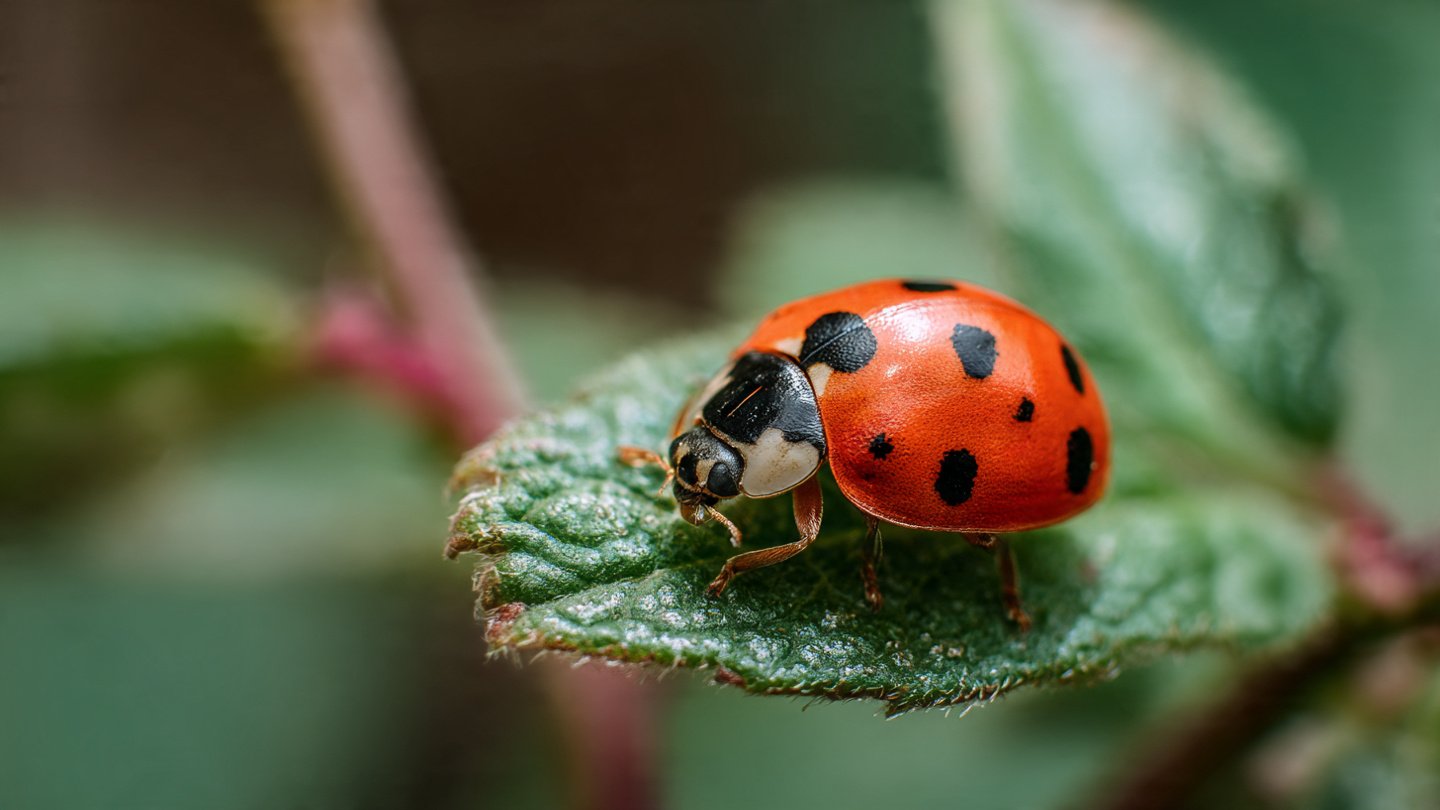
Release of Volatile Organic Compounds (VOCs): Many plants emit VOCs when damaged, which
can attract natural predators of the pests attacking them. This evolutionary tactic encourages beneficial
insect allies, such as ladybugs and lacewings. -
Timing of Growth: Some plants time their growth cycles to avoid peak pest populations,
thereby reducing the likelihood of infestations.
Case in Point
For example, when corn is attacked by caterpillars, it emits a specific VOC that attracts parasitic wasps
that feed on the caterpillars. This natural interplay underscores the complex relationships in ecosystems.
4. Biodiversity as a Defense Mechanism
The diversity of plant species in a garden or farm can also serve as a natural pest defense. Mixing
different plants can confuse pests and disrupt their life cycles. Planting companion vegetables that repel
pests or attract beneficial insects can be particularly effective.
Example of Companion Planting
Marigolds are often used as companion plants because they emit compounds that deter nematodes and other pests.
Similarly, planting basil alongside tomatoes can repel whiteflies and attract pollinators, promoting a healthier
garden ecosystem.
5. Cultural Practices to Enhance Natural Defenses
Farmers and gardeners can employ cultural practices that enhance the natural defenses of vegetables. Some of
these practices include:
-
Crop Rotation: Changing the planting location of certain crops each year can disrupt the
life cycles of pests. -
Intercropping: Growing different crops in proximity can create a more resilient ecosystem,
reducing the prevalence of pests. -
Sustainable Fertilization: Using organic fertilizers can promote healthy plant growth,
enhancing the plant’s natural ability to resist pests.
Conclusion
Understanding the natural defenses of vegetables against pests provides valuable insights into sustainable
agricultural practices. By acknowledging the various strategies that plants employ—from chemical and physical
defenses to enhanced biodiversity—farmers and gardeners can foster healthier ecosystems. Not only does this promote
better crop yields, but it also reduces the need for synthetic pesticides, leading to a more sustainable and
environmentally friendly approach to agriculture. As we move forward in food production, embracing these natural
defenses will be vital for ensuring food security in a changing world.
FAQs
1. What are natural pest defenses in vegetables?
Natural pest defenses in vegetables include chemical compounds, physical barriers, and behavioral responses
that help plants protect themselves from herbivorous pests. Examples include toxic alkaloids and toughened
leaf structures.
2. How can I enhance the natural defenses of my vegetable garden?
You can enhance natural defenses by employing practices like crop rotation, intercropping, and using
companion plants that repel pests or attract beneficial insects.
3. Are chemical defenses harmful to humans?
While many natural chemical defenses can be toxic to pests, they are generally safe for humans when consumed
in the usual dietary amounts. Cooking and processing can further reduce any potential toxicity.
4. Can plants communicate with each other about pests?
Yes, some plants release volatile organic compounds (VOCs) when they are attacked by pests. These VOCs can
signal neighboring plants to boost their defenses or even attract beneficial insects that prey on the pests.
5. What role does biodiversity play in pest control?
Biodiversity can enhance ecosystem stability and resilience. Diverse plantings can confuse pests, disrupt their
life cycles, and promote beneficial organisms that keep pest populations in check.