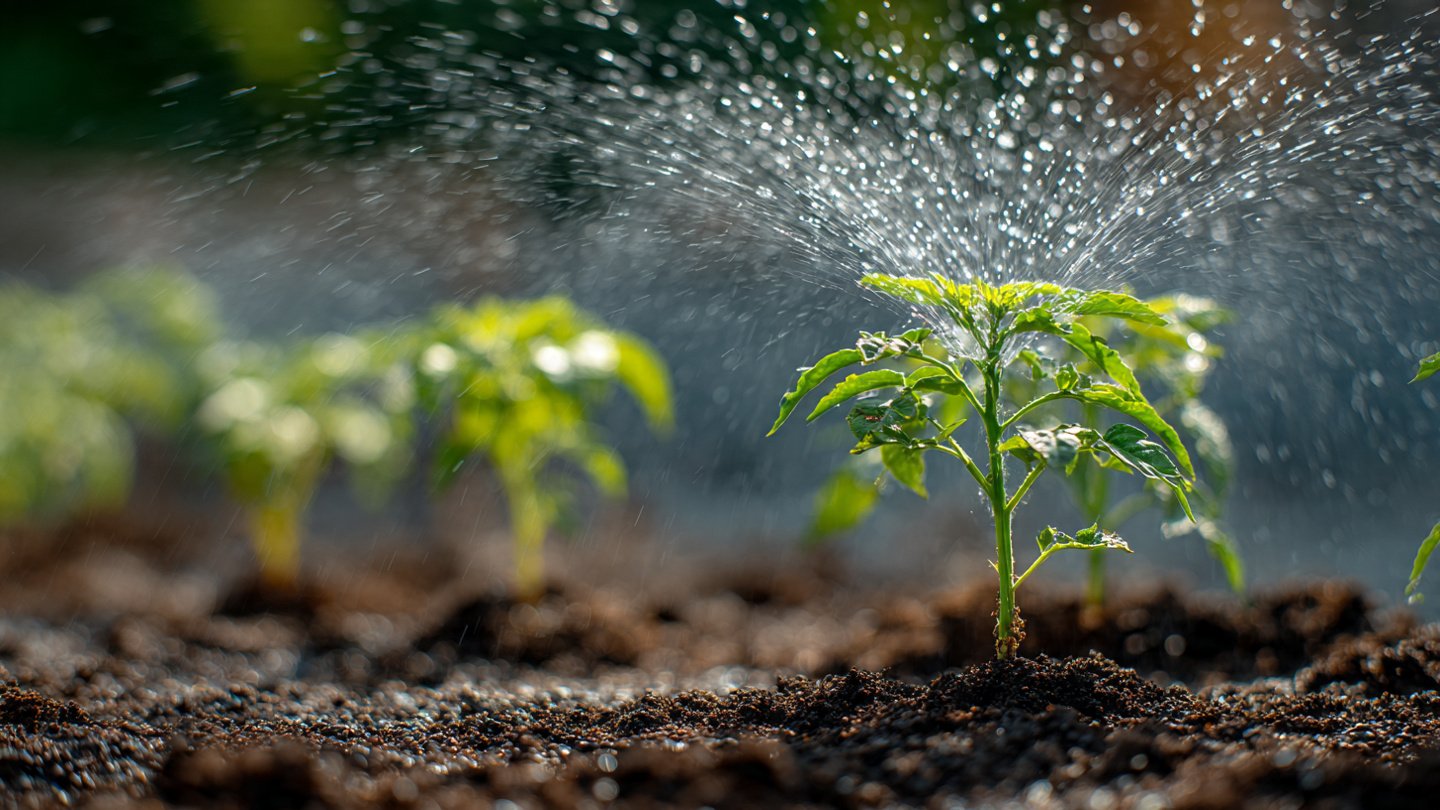
Watering is a crucial aspect of plant care that often determines the success or failure of your gardening endeavors. Plants require water for vital processes, but overwatering or underwatering can lead to stress, disease, and even death. Achieving the perfect watering balance is essential to maintain healthy and vibrant plants. This article outlines the key factors influencing plant hydration needs, tips for effective watering practices, and common pitfalls to avoid for nurturing thriving plants.
Understanding Plant Watering Basics
Plants absorb water primarily through their roots, which need to be adequately hydrated to facilitate nutrient uptake and photosynthesis. However, understanding how various factors affect plant watering needs is critical. Here are some of the main elements to consider:
- Plant Type: Different species have varied water requirements. Succulents and cacti thrive in arid conditions, while tropical plants often prefer consistently moist soil.
- Soil Type: The soil composition affects water retention. Sandy soils drain quickly, while clay soils retain moisture longer.
- Climate and Environment: Temperature, humidity, and light levels in your environment significantly influence how much water your plants need.
- Pot Size and Material: Larger pots retain more moisture, while porous materials like terracotta allow for better evaporation, influencing watering frequency.
Establishing a Watering Routine
Developing a consistent watering routine tailored to your plants’ needs is vital. Here are steps to help you establish one:
1. Assess Plant Needs
Start by researching each plant’s specific watering requirements. Some may need daily watering, while others might be fine with weekly intervals. Note the plants that droop when thirsty versus those that can tolerate dryness.
2. Monitor Soil Moisture
Using a moisture meter or your finger is an effective way to check the soil’s moisture level. Insert your finger about an inch into the soil. If it feels dry, it’s time to water. For deeper-rooted plants, checking moisture at several depths can provide a clearer picture of hydration levels.
3. Watering Techniques
When watering, aim to saturate the soil around the roots rather than soaking the foliage. Here are some effective techniques:
- Bottom Watering: Placing pots in trays of water allows the soil to absorb moisture from the bottom up, encouraging deeper root growth.
- Drip Irrigation: Ideal for larger gardens, this method delivers a steady amount of water directly to the roots, reducing waste.
- Soaker Hoses: These hoses can be laid out on the garden beds, slowly releasing water into the soil.
Signs of Overwatering vs. Underwatering
Recognizing the symptoms of overwatering and underwatering is crucial for timely intervention. Here’s how to differentiate between the two:
Overwatering Symptoms
- Yellowing leaves, particularly older ones
- Mushy or rotten roots
- Wilting leaves despite moist soil
- Fungus or mold on the soil surface
- Leaves dropping unexpectedly
Underwatering Symptoms
- Brown, crispy leaf edges
- Wilting leaves- plants may droop severely
- Pale or discolored foliage
- Stunted growth
Seasonal Adjustments to Watering
Watering needs can change with the seasons. Here’s a guide to adjust your routine accordingly:
- Spring: As temperatures rise, most plants enter their growing phase and will need more water. Monitor soil moisture closely.
- Summer: The hottest months often require daily watering, especially for outdoor plants. Early morning or late afternoon watering is best to minimize evaporation.
- Autumn: Gradually reduce watering as temperatures cool and many plants begin to enter dormancy. Prepare to change watering frequency based on rainfall.
- Winter: Many plants require much less water during dormancy. Always check soil moisture before watering to avoid overwatering.
Common Watering Mistakes
Many gardeners stumble into frequent watering mistakes that can harm plant health. Here are some pitfalls to avoid:
- Watering on a Schedule: While routines can be helpful, sticking rigidly to a schedule can lead to over- or underwatering. Always check the soil moisture first.
- Watering Too Quickly: Pouring water hastily can cause run-off rather than proper absorption. Water slowly to ensure it seeps deep into the soil.
- Ignoring Drainage: Ensuring pots and garden beds have proper drainage is vital. Without it, water can pool and lead to root rot.
- Using Quality Water: Tap water may contain minerals and chemicals that can affect plant health. Rainwater is often the best choice.
Conclusion
Achieving the perfect watering balance is pivotal for fostering thriving plants. By understanding your plants’ unique needs, establishing effective watering routines, adjusting according to seasonal changes, and avoiding common pitfalls, you can ensure that your plants not only survive but thrive. Each plant’s requirements may differ, so always adapt your practices based on observation and learning. With patience and attention, your gardening efforts will bear fruit—both literally and metaphorically.
Frequently Asked Questions (FAQs)
1. How often should I water my houseplants?
The frequency varies depending on the type of plant, pot size, and environmental conditions. Generally, assess the soil moisture and water when the top inch feels dry.
2. What is the best time to water plants?
Early morning or late afternoon is ideal, as this minimizes evaporation and allows plants to absorb moisture effectively before the heat of the day.
3. Can overwatering be fixed?
Yes, carefully remove the plant from its pot, trim any rotten roots, and repot it in fresh, dry soil. Ensure the new pot has proper drainage.
4. How can I tell if my plant needs water without a moisture meter?
Using your finger, check the moisture level an inch into the soil. Alternatively, lift the pot; if it’s significantly lighter than when watered, it likely needs moisture.
5. Is there such a thing as water stress in plants?
Yes, both overwatering and underwatering cause stress. Signs include wilting, yellow leaves, and stunted growth. Monitoring and adjusting watering habits can alleviate this.