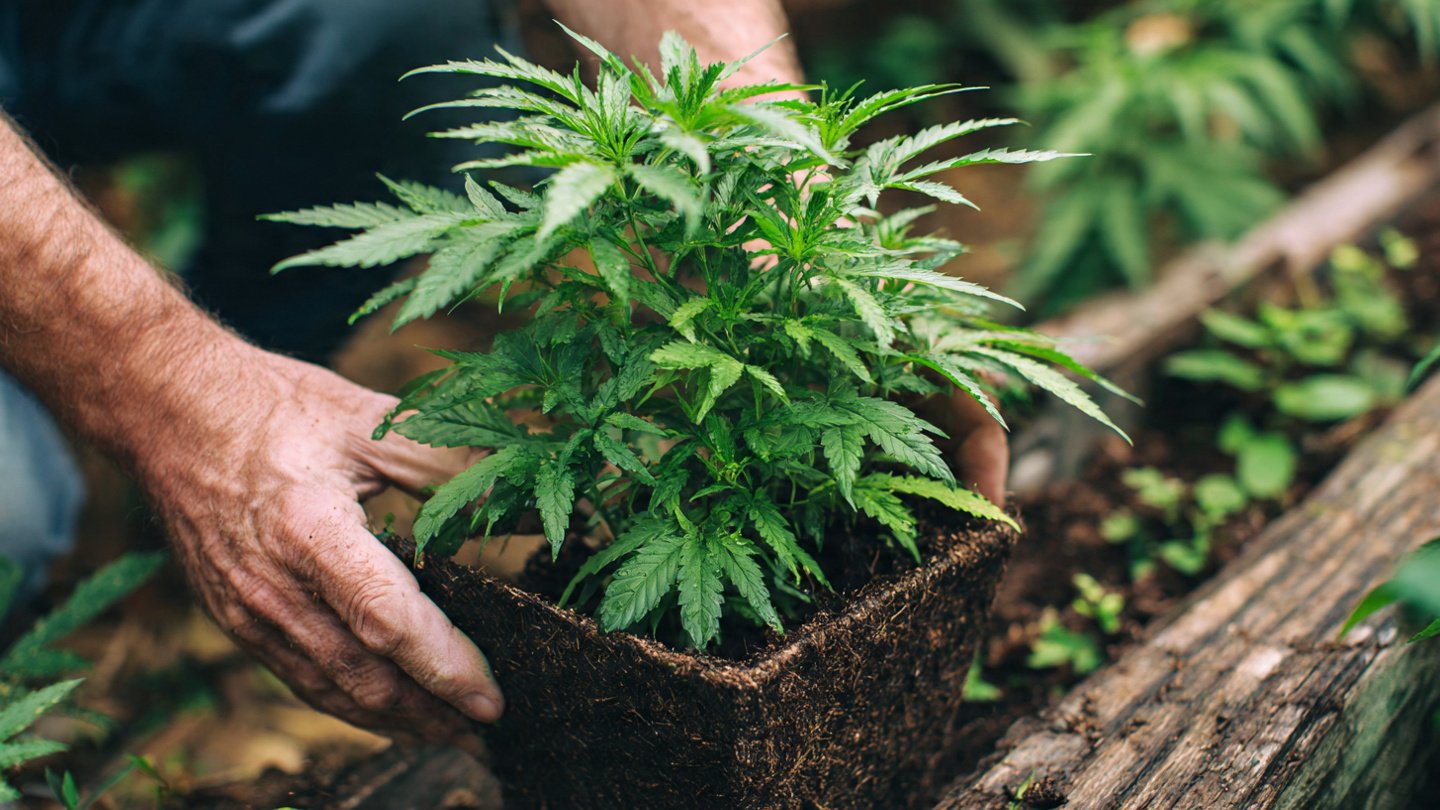
When it comes to container gardening, the choice of pot depth is often overlooked. Many gardeners focus on materials, size, and drainage but may neglect one of the crucial aspects that significantly influences plant health: pot depth. Understanding the importance of pot depth can aid in selecting suitable containers for various plant types and ultimately promote healthy growth.
The Basics of Pot Depth
Pot depth refers to the vertical measurement from the bottom to the top edge of the pot. This measurement is critical for a variety of reasons, including root development, nutrient availability, and water management. The depth of a pot can affect how well a plant can absorb essential elements that support its growth.
Root Development
The underground system of a plant, the roots, is vital for its overall health. Roots anchor the plant into the soil and play a crucial role in nutrient uptake and water absorption. Pot depth influences how extensively roots can grow:
- Shallow Pots: These pots may constrain root growth, leading to root circling and eventual damage, as roots may have nowhere to spread. As a result, plants can become stunted and less productive.
- Deep Pots: Conversely, deep pots allow for more extensive root systems, promoting stronger and healthier plants. The additional soil also helps in retaining moisture, which benefits the roots.
Nutrient Availability
Nutrient uptake is another area where pot depth plays a critical role. Different plants have varying root depths and nutrient requirements:
- Shallow Rooted Plants: Plants like herbs, lettuce, and certain annual flowers require less pot depth as their roots don’t extend far down. A pot that is too deep may lead to a waste of soil and nutrients.
- Deep Rooted Plants: Plants such as tomatoes, peppers, and certain perennials thrive in deeper containers that allow them to access more nutrients. These plants benefit from the additional soil layers that offer a nutrient-rich environment.
Water Management
Effective water management is crucial for healthy plant growth, and pot depth significantly factors into this aspect:
- Water Retention: Deeper pots tend to retain moisture longer than shallow pots. This is especially advantageous in hot climates where soil can dry quickly.
- Drainage Considerations: While deeper pots can hold more water, they must also have proper drainage. Poor drainage can lead to waterlogged soil, which may result in root rot and other complications.
The Right Depth for Different Plants
Choosing the correct pot depth hinges on understanding the specific needs of the plants you intend to grow. Here’s a general guideline:
- Shallow Pots (4-6 inches): Great for herbs, annual flowers, and small succulents.
- Medium Pots (8-10 inches): Suitable for most vegetables like lettuce, radishes, and flowering plants.
- Deep Pots (12 inches or more): Ideal for tomatoes, peppers, cucumbers, and deep-rooted perennials.
Special Considerations for Container Gardening
Container gardening comes with its own set of challenges and considerations:
- Weight: Deeper pots can be heavier, especially when filled with soil and plants. Consider the weight when placing pots on balconies or other elevated areas.
- Material: The pot material impacts temperature regulation. Dark containers may retain heat better, while clay pots allow for more air exchange, affecting root health.
- Mobility: If you desire to move your plants, consider using wheelbarrow-type pots or arranging shallower containers that are easier to handle.
Conclusion
Understanding pot depth is crucial for anyone involved in container gardening. It influences not only root development but also nutrient availability and water management, all of which are vital for plant health. Selecting an appropriate pot depth according to the specific needs of your plants will ensure thriving and vigorous growth.
By considering the factors discussed and making informed choices about pot depth, gardeners can significantly enhance the health and productivity of their plants. Whether you are a beginner or an experienced gardener, taking the time to assess pot depth is an investment in the long-term success of your garden.
FAQs
1. How do I know what pot depth is right for my plant?
Research the specific plant species to understand its root depth requirements. Generally, shallower rooted plants need pots that are 4-6 inches deep, while deeper rooted plants require pots that are at least 12 inches deep.
2. Can I use a deep pot for shallow rooted plants?
Yes, but it is not always necessary. While shallow-rooted plants can thrive in deeper pots, it can lead to inefficient use of soil and increased water retention, which may harm the plants.
3. Do pot materials affect the depth choice?
Yes, different materials have varying insulation properties. Clay pots allow for better air drainage and moisture loss than plastic ones. Choose based on climate and plant needs as well.
4. Can I re-pot plants into deeper pots later?
Yes, re-potting into deeper pots can be beneficial for growth. Make sure to do it during the plant’s active growth phase for the best results.
5. What are the signs that my pot is too shallow?
Signs include root circling, stunted growth, and the plant becoming top-heavy or unstable. If you notice these signs, it may be time to consider a deeper pot.