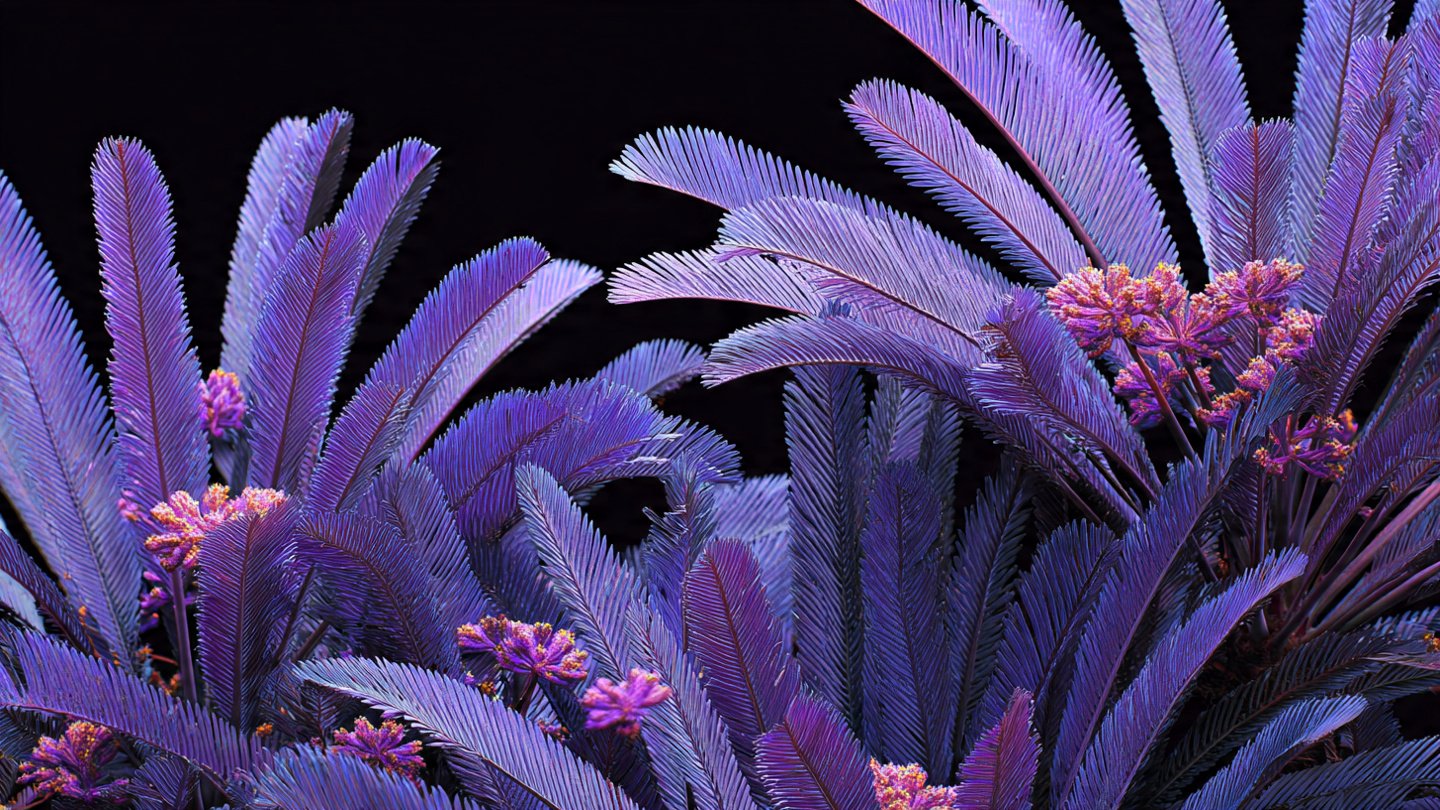
Gardeners often find joy in the colors and textures of their plants. However, encountering unexpected purple tones can lead to questions and concerns. While purple is a striking color, it is essential to understand the reasons behind this color change. This article will explore the various factors that result in purple tones in plants, helping you recognize whether it’s a natural occurrence or a sign of distress.
1. The Role of Anthocyanins in Plant Coloration
Purple hues in plants are often attributed to anthocyanins, a type of flavonoid pigment. These pigments play a crucial role in providing coloration to various parts of the plant, including leaves, stems, and fruits. In many cases, plants produce anthocyanins as a response to environmental stresses or changes. Thus, understanding why your plants are synthesizing these pigments is the first step in addressing any potential issues.
2. Environmental Factors Influencing Purple Tones
Environmental conditions significantly impact the production of anthocyanins. Here are some key factors that can lead to purple discoloration:
- Temperature Fluctuations: Cool temperatures, especially during the night, can trigger anthocyanin production as a protective mechanism against frost damage.
- Light Exposure: Insufficient sunlight can cause plants to produce more anthocyanins. This is particularly common in shaded areas, where plants adapt to lower light levels.
- Water Stress: Drought conditions can lead plants to produce anthocyanins as a response to stress. This is often observed in plants that are not adequately watered.
3. Nutrient Deficiencies and Their Impact
Nutrient availability is another crucial factor influencing plant coloration. A deficiency in certain nutrients can lead to a buildup of anthocyanins, resulting in purple hues. Here are the primary nutrients linked to this phenomenon:
- Phosphorus Deficiency: Purple leaves are often a sign of phosphorus deficiency, especially in younger plants. Phosphorus is vital for various metabolic processes, and its lack can hinder plant growth.
- Magnesium Deficiency: Magnesium plays a critical role in photosynthesis. Its deficiency can cause leaf discoloration, leading to purple patches.
- Potassium Deficiency: A lack of potassium can weaken plants, leading to the production of anthocyanins as a stress response.
4. Pests and Diseases
Pests and diseases can also induce stress in plants, often leading to color changes like purple leaves. The following are common issues you might encounter:
- Insect Infestations: Pests such as aphids and spider mites can stress plants, leading to changes in pigmentation.
- Fungal Infections: Certain fungal diseases can disrupt nutrient uptake in plants, causing discoloration.
5. Plant Species and Their Natural Colors
It’s also worth noting that some plant species naturally possess purple foliage. Varieties like Heuchera (Coral Bells) and Caladium are known for their vibrant purple tones. In these situations, purple coloration is not a symptom of distress but rather an attractive feature promoting aesthetic diversity in gardens.
6. The Benefits of Purple Tones
While purple might indicate potential stress in some cases, it can also serve beneficial purposes:
- Protection Against UV Radiation: Anthocyanins can offer a protective layer against ultraviolet light, helping plants manage sun exposure.
- Attracting Pollinators: Bright coloration can attract pollinators, enhancing reproductive success in flowering plants.
Conclusion
Purple tones in plants can be a complex interplay of natural pigmentation, stress responses to environmental factors, nutrient deficiencies, pest infestations, or simply the plant’s inherent characteristics. Identifying the underlying cause is crucial for proper care and management. By monitoring growing conditions, nutrient levels, and potential threats, gardeners can ensure the health of their plants while enjoying the aesthetic appeal of vibrant hues. Remember that striking colors can often indicate both beauty and necessary care, making understanding these changes essential to successful gardening.
FAQs
1. Why are the leaves of my vegetable plants turning purple?
Purple leaves in vegetable plants are often a sign of phosphorus or magnesium deficiency. Ensure you’re using a balanced fertilizer and check your soil conditions.
2. Can drought cause purple coloration in my plants?
Yes, drought stress can lead to increased anthocyanin production, resulting in purple hues. Ensure your plants are adequately watered, especially during dry spells.
3. Are purple tones in plants always a bad sign?
Not necessarily. Some plants naturally produce purple pigments, which can be advantageous for attracting pollinators or protecting against UV radiation. It is essential to analyze the context and condition of your plants.
4. How can I correct nutrient deficiencies causing purple leaves?
Testing your soil for nutrient levels can help identify specific deficiencies. Use the appropriately balanced fertilizers based on the results to provide the necessary nutrients.
5. What should I do if I suspect pests are causing purple coloration?
If you notice pests on your plants, consider using insecticidal soap or neem oil to manage the infestation. Regularly inspect your plants to prevent issues before they escalate.