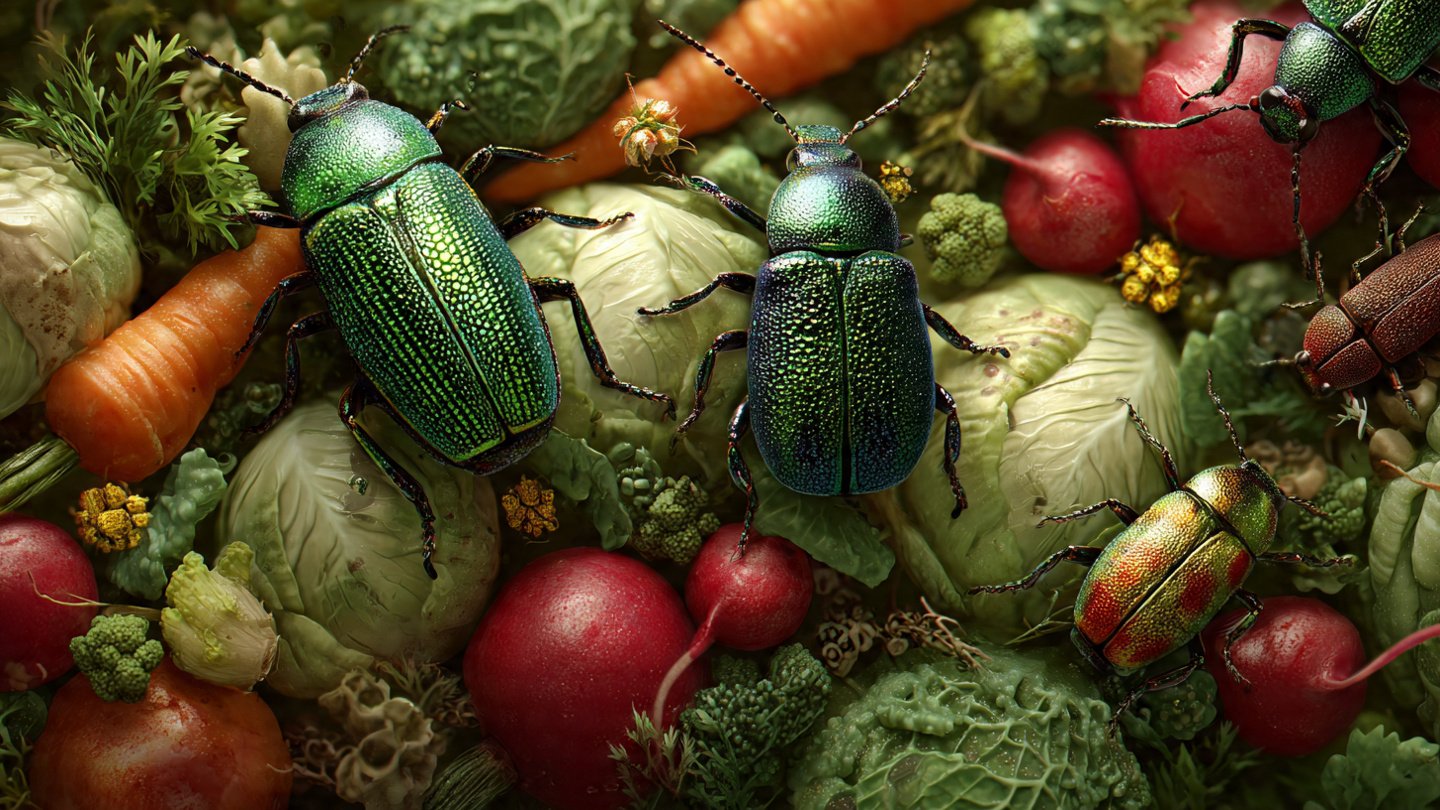
Growing vegetables can be a rewarding experience, offering fresh produce right at your fingertips. However, this joy is often marred by the relentless battle against pests. Understanding why these creatures are so drawn to your beloved crops is essential for any gardener wishing to protect their harvest. In this article, we will explore the various reasons pests are attracted to vegetables, the types of pests commonly found in gardens, and strategies to mitigate their impact.
Understanding the Attraction
One of the fundamental reasons pests are so attracted to vegetables is their rich nutrient content. Vegetables provide a variety of essential nutrients, sugars, and moisture that are often quite appealing to both insects and larger pests. Here are several critical factors contributing to this attraction:
Nutrient-Rich Environment
Vegetables are often high in carbohydrates, proteins, and vitamins. Pests are naturally drawn to high-nutrient plants, as these provide the energy they need for reproduction and growth. For example, leafy greens like spinach and lettuce contain plentiful moisture and nutrients, making them irresistible to insects like aphids and caterpillars.
Moisture Content
Vegetables often hold significant water content, creating a perfect environment for certain pests. Many pests require moisture for survival, especially in hot weather. This draws them into gardens, where vegetables provide an easily accessible water source.
Plant Volatiles
Plants emit volatile organic compounds (VOCs) that serve various functions, such as attracting pollinators or deterring herbivores. However, these same compounds can attract certain pests. For instance, some insects are enticed by the sweet scent of ripe tomatoes, driving them to your garden during peak growing season.
Host Specificity
Many pests are highly specialized, targeting particular plant families or species. For example, the tomato hornworm is predominantly found on tomato plants, while cabbage moths are drawn to members of the Brassica family. This host specificity means that once a pest finds a particular vegetable it enjoys, it can become a persistent problem in the garden.
Common Garden Pests
Understanding which pests are commonly found in vegetable gardens can help gardeners take proactive measures. Here are some of the most notorious offenders:
Aphids
Aphids are small, sap-sucking insects that can cause significant damage to various vegetables. They reproduce rapidly and can be found in large colonies, especially on young shoots and stems.
Tomato Hornworms
These large caterpillars are notorious for their quick destruction of tomato plants. They can consume large amounts of foliage in a single day, making early detection essential.
Cabbage Worms
Belonging to the caterpillar stage of the cabbage moth, these pests can devastate brassicas. They feed on the leaves, leaving behind a skeletonized appearance.
Slugs and Snails
These mollusks are particularly destructive during wet weather. They feed on the soft leaves of young seedlings and can create a significant dent in your garden’s output.
Whiteflies
Similar to aphids, whiteflies suck sap from plants and can transmit diseases. They thrive in warm conditions and can quickly infest an area if not dealt with promptly.
Implications for Gardeners
The consequences of pest infestations can be severe, leading to reduced yield or even total crop failure. It is crucial for gardeners to adopt integrated pest management (IPM) practices to protect their vegetables effectively. Here are some implications of pest infestations:
- Diminished Yields: As pests consume plant material, the overall yield decreases, potentially leading to economic losses for commercial growers.
- Quality Reduction: Pests can ruin the aesthetic quality of vegetables, making them less marketable or appealing for home consumption.
- Spread of Disease: Many pests are vectors for diseases that can spread rapidly among plants, exacerbating the issue and compounding damage.
- Increased Costs: Managing pests often requires investments in insecticides, traps, or organic solutions, increasing the overall cost of gardening.
Strategies for Managing Pests
While pest infestations may seem overwhelming, there are numerous strategies to help mitigate their impact:
Cultural Control
Practicing good sanitation, crop rotation, and intercropping can help reduce pest populations. Ensuring that weeds are controlled is also vital, as they can harbor pests.
Physical Barriers
Using row covers or netting can protect young plants from pests while still allowing for light and moisture to reach them.
Biological Control
Encouraging natural predators, such as ladybugs or lacewings, can help keep pest populations in check. Additionally, introducing beneficial nematodes can target soil-borne pests.
Organic Pesticides
When infestations become severe, using organic pesticides may be necessary as a last resort. Solutions like neem oil or insecticidal soap can help manage pests without harming beneficial insects.
Conclusion
Pests find vegetables irresistible due to their nutrient-rich content, moisture levels, and the volatile compounds they emit. The implications of pest infestations can lead to significant issues for both home gardeners and commercial growers. However, by understanding the attraction factors and employing effective pest management strategies, gardeners can protect their crops and enjoy the fruits of their labor. Early detection, consistent monitoring, and utilizing a range of control techniques can make a significant difference in pest management success.
FAQs
What are some natural ways to deter pests from vegetables?
Natural deterrents include using garlic or hot pepper sprays, planting companion plants that repel pests, and encouraging beneficial insects.
How can I identify which pest is harming my vegetables?
Look for specific signs, such as holes in leaves, sticky residue, or visible insects on the plants. Resources like local agricultural extensions or online guides can also assist with identification.
Is it safe to use chemical pesticides on my vegetable garden?
While some chemical pesticides are deemed safe for edible crops, it’s essential to read labels carefully and adhere to waiting periods between application and harvest.
How can I naturally attract beneficial insects to my garden?
Plant a variety of flowering plants, avoid using broad-spectrum pesticides, and provide habitats such as insect hotels to attract natural predators.