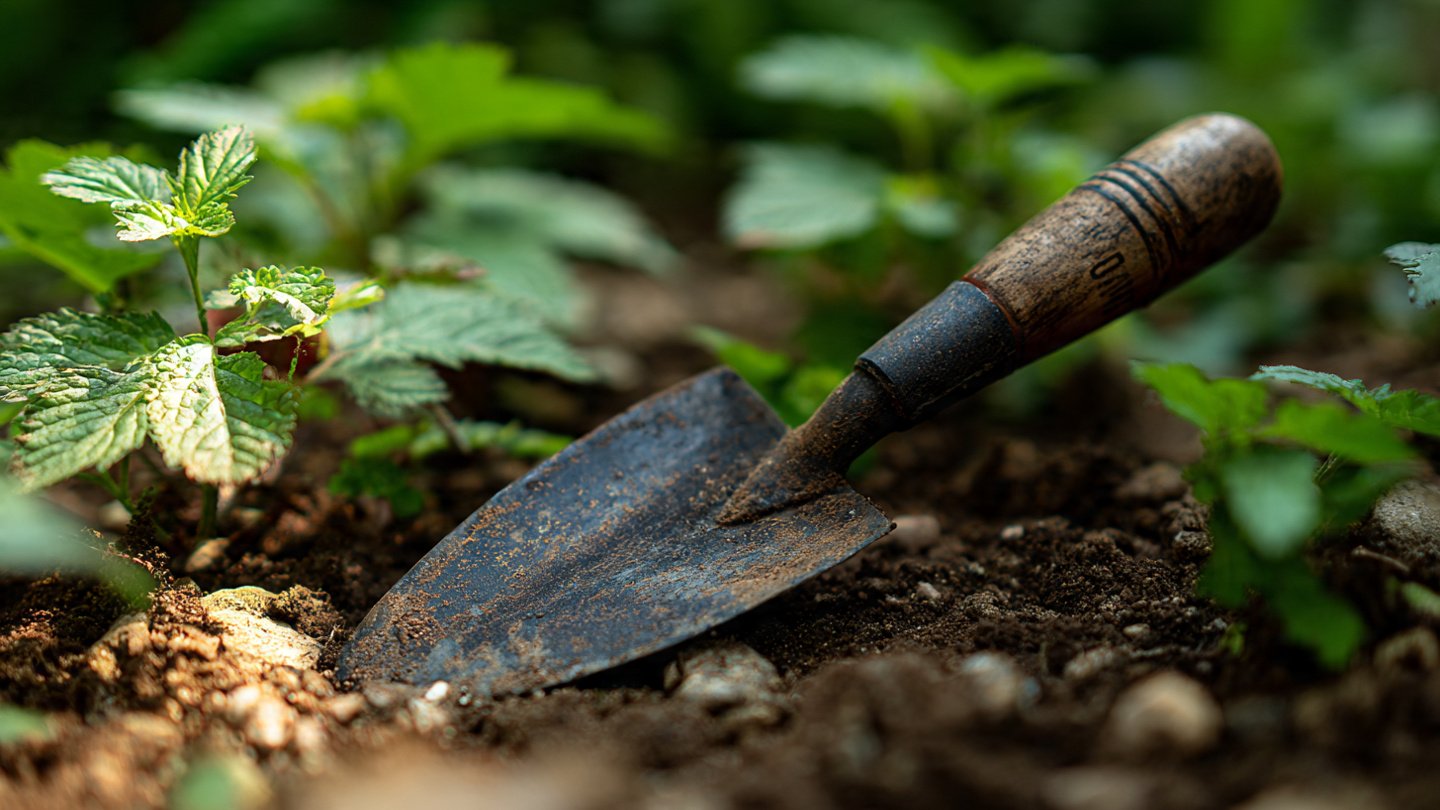
Gardening is a rewarding hobby that allows you to connect with nature while growing your own plants. Among the various tools that a gardener can use, the garden trowel stands out as an essential implement for planting seedlings. This small, handheld tool may seem simple, but when used correctly, it allows you to maximize its effectiveness significantly. In this article, we will explore techniques, tips, and best practices to ensure that you get the most out of your garden trowel when planting seedlings.
Understanding the Garden Trowel
A garden trowel typically features a pointed, metal blade with a short handle. It is designed for digging, planting, and transferring soil, making it one of the top choices for planting seedlings. Understanding how to use this tool effectively can significantly impact seedling growth and overall garden success.
Choosing the Right Trowel
Before maximizing the effectiveness of your garden trowel, it’s crucial to choose the right one. Look for a trowel that is:
- Durable: Steel or stainless steel blades are ideal as they can withstand the rigors of digging through different soil types.
- Comfortable: A comfortable grip helps reduce fatigue during extended gardening sessions. Consider ergonomic designs that fit comfortably in your hand.
- Size-appropriate: Select a trowel that is suitable for the size of your hands and tasks. A trowel that is too large may be unwieldy, while one that is too small may not provide enough leverage.
Preparation for Planting Seedlings
Before you begin planting seedlings with your trowel, it’s essential to prepare both your tools and the planting site.
Cleaning Your Trowel
A clean trowel is essential for preventing the spread of diseases among plants. After each use, wash your trowel with soap and water, and ensure to dry it thoroughly to avoid rust. Consider wiping it down with vegetable oil to further protect the metal.
Preparing the Soil
Good soil is the cornerstone of any successful planting endeavor. Use your trowel to:
- Remove weeds and debris from the planting area.
- Loosen compacted soil to improve aeration and drainage.
- Mix in organic matter or compost for added nutrients.
Techniques for Effective Planting
When it comes to planting seedlings, specific techniques can make a significant difference in the effectiveness of your garden trowel.
Digging the Hole
To plant a seedling, you first need to dig a hole. Here’s how to do it:
- Position your trowel so its pointed edge faces the soil.
- Press down into the soil, using your foot for additional leverage if necessary.
- Angle the trowel towards the center of the hole to create a broad cavity for the roots.
Transferring Seedlings
Once the hole is ready, gently remove the seedling from its container, ensuring that you do not damage the roots. You can use your trowel to:
- Lift the seedling from the pot without disturbing the root ball.
- Gently loosen any tightly bound roots.
Planting the Seedling
To plant the seedling:
- Using the trowel, place the seedling into the hole at the correct depth (often just below the soil line).
- Fill in the hole with soil, pressing down gently around the base of the seedling to eliminate air pockets.
- Water the seedling thoroughly once it is planted to help settle the soil.
Post-Planting Care
After planting, the work is not entirely done. Ensuring that your seedlings thrive is paramount.
Mulching
Using your trowel, spread a layer of mulch around the base of your seedlings. This helps retain moisture, suppress weeds, and maintain even soil temperature.
Regular Monitoring
Keep an eye on your seedlings using the trowel. You can easily remove any potential weeds or check soil conditions around the roots. Consistent attention will promote healthy growth.
Conclusion
Maximizing the effectiveness of a garden trowel for planting seedlings involves careful preparation, understanding how to use the tool efficiently, and providing ongoing care. By selecting the right trowel, preparing the soil, utilizing proper planting techniques, and caring for your seedlings post-planting, you enhance your gardening experience and improve the outcome of your efforts. Whether you are a seasoned gardener or a beginner, mastering the use of your trowel can lead to a thriving and colorful garden filled with healthy plants.
Frequently Asked Questions (FAQs)
1. What type of trowel is best for planting seedlings?
The best trowel is a durable, stainless steel trowel with a comfortable, ergonomic handle that fits your hand size well.
2. How deep should I dig for seedlings?
The hole should generally be deep enough so that the seedling’s root ball is just below the soil surface, allowing the roots to spread properly.
3. Can I use my trowel for other gardening tasks?
Absolutely! A trowel is versatile and can be used for digging, transferring soil, removing weeds, and mixing in compost or fertilizers.
4. How do I maintain my trowel?
Clean your trowel after each use, dry it thoroughly, and coat the blade with vegetable oil to prevent rust.
5. Why is soil preparation important before planting seedlings?
Soil preparation ensures that the seeds or seedlings have the best conditions for growth by improving aeration, drainage, and nutrient content.