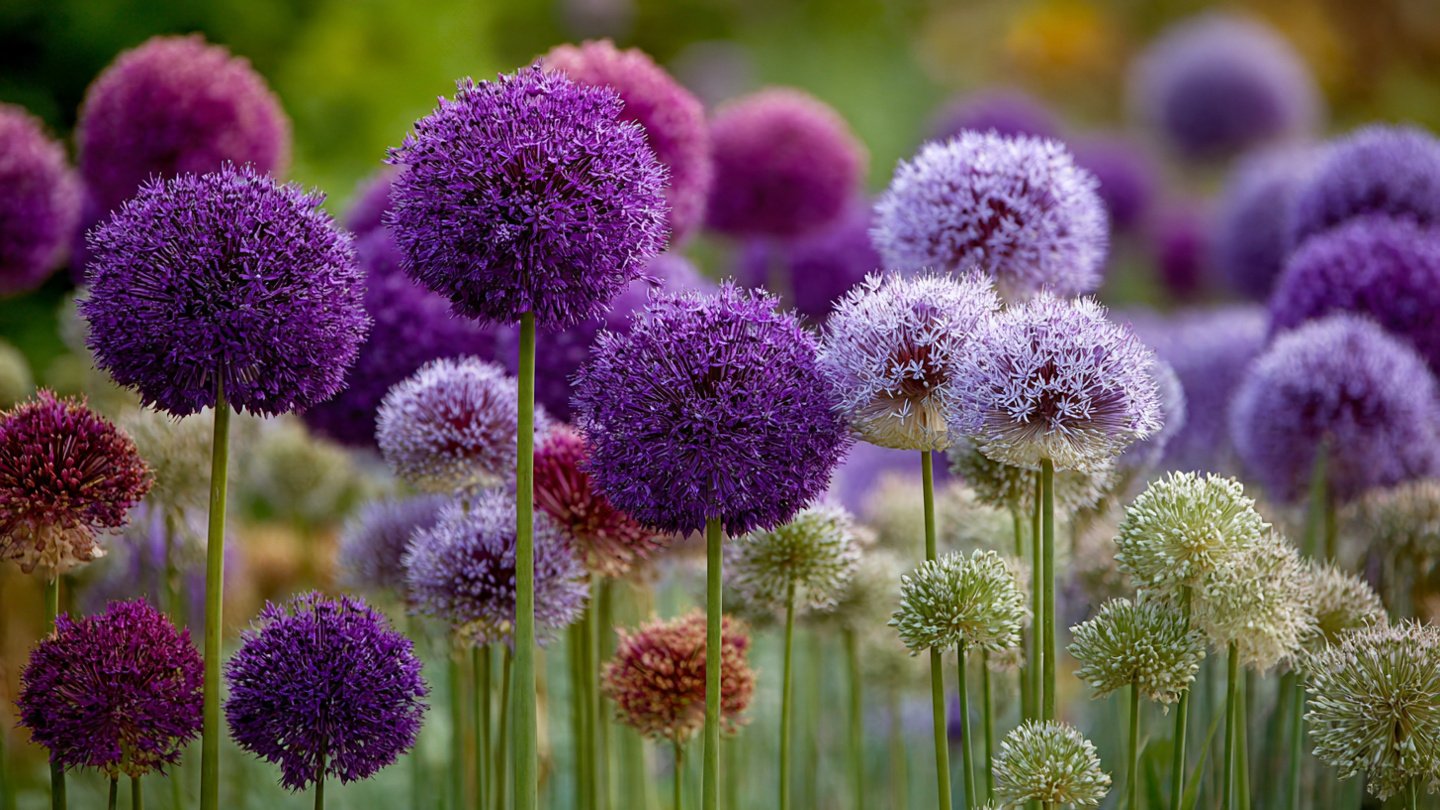
Alliums, known for their stunning globe-shaped flowers and unique foliage, have captured the hearts of gardeners around the world. While they can thrive in various conditions, certain cultivation techniques can elevate your allium-growing experience. One of the most effective methods is dividing bulbs. This practice not only stimulates growth but also unlocks the secret to producing enormous, vibrant blooms. In this article, we will delve into the science and techniques behind dividing allium bulbs, exploring the benefits, best practices, and common pitfalls to avoid.
Why Divide Bulbs?
Dividing bulbs is a gardening technique that involves separating a bulb into multiple smaller bulbs or offsets. This is particularly important for alliums because it enhances their growth and allows gardeners to propagate new plants. Here’s why dividing bulbs is beneficial:
- Enhanced Air Circulation: When bulbs become overcrowded, they compete for nutrients and space, inhibiting their growth. Dividing bulbs allows for better airflow and enables each bulb to access essential nutrients more efficiently.
- Increased Bloom Size: By dividing bulbs, you can ensure that each bulb has sufficient resources to develop larger flowers. This is particularly important for alliums, which are known for their majestic blooms.
- Propagation: Dividing bulbs allows gardeners to create new plants from existing ones, expanding your garden without the need for purchasing new bulbs.
Best Time to Divide Allium Bulbs
Timing is crucial when it comes to dividing allium bulbs. The best time to do so is during their dormancy, typically in late summer or early fall after the foliage has died back. Here are some steps to consider:
- Wait for Dormancy: Allow the allium foliage to yellow and wither before proceeding. This ensures that the plant has stored enough energy in the bulb for future growth.
- Prepare the Soil: Use well-draining soil enriched with organic matter. This will provide the necessary nutrients and support optimal growth.
How to Divide Allium Bulbs
The process of dividing allium bulbs is straightforward. Follow these steps to ensure a successful division:
- Remove Bulbs: Carefully dig around the base of each plant, avoiding damage to the bulbs. Lift them gently from the soil.
- Clean and Inspect: Remove excess soil and closely inspect each bulb. Look for any signs of disease or rot, discarding any damaged bulbs.
- Separate Offsets: Gently pull apart the offsets from the main bulb. Each offset has the potential to grow into a new plant.
- Trim Damaged Roots: If any roots are damaged or excessively long, trim them back to encourage healthy regrowth.
Replanting Divided Bulbs
Once you have divided the bulbs, it’s time to replant them. Follow these guidelines for successful replanting:
- Spacing: Space the bulbs at least 6-12 inches apart. This allows adequate room for growth.
- Depth: Plant the bulbs at a depth of 2-3 times their height, ensuring that the pointed end is facing upwards.
- Watering: After planting, water the bulbs thoroughly to help them settle into their new environment.
Care Tips for Growing Enormous Alliums
In addition to dividing bulbs, there are several care techniques to follow to encourage enormous allium growth:
- Soil Quality: Ensuring well-draining soil is crucial. Loose, sandy soil enriched with compost provides optimal growing conditions.
- Sunlight: Plant alliums in a location that receives full sunlight for at least six hours a day. This will promote strong growth and vibrant blooms.
- Fertilization: Use a balanced fertilizer during the growing season, especially in early spring as new growth emerges.
- Pest Management: Keep an eye out for pests like aphids and fungal diseases. Employ organic pesticides when necessary to protect your plants.
Common Mistakes to Avoid
While dividing bulbs can yield impressive results, many gardeners make several common mistakes:
- Dividing at the Wrong Time: Dividing bulbs too early or late can hinder their growth. Always wait for death of foliage for optimal results.
- Neglecting Soil Quality: Using poor-quality soil can affect bulb growth. Always enrich the soil before planting.
- Overcrowding: Planting bulbs too close together can lead to competition for nutrients and reduced size of flowers.
Conclusion
Dividing allium bulbs is a simple yet powerful technique that can dramatically improve the quality and size of your allium blooms. By understanding when and how to divide bulbs, ensuring optimal soil conditions, and adhering to effective care techniques, you can unlock the secret to growing enormous alliums. This practice not only allows you to propagate new plants but also enhances the overall health and vitality of your garden.
FAQs
1. How often should I divide my allium bulbs?
It is generally recommended to divide allium bulbs every 3-5 years, depending on their growth and spacing.
2. Can allium bulbs be divided in spring?
No, it’s best to wait until the foliage has died back in late summer or early fall to ensure healthy bulb separation.
3. What should I do if my alliums are not blooming?
Check for overcrowding, inadequate sunlight, or poor soil quality, and consider fertilizing or dividing your bulbs.
4. Are there specific allium varieties that are easier to grow?
Some varieties, like Allium giganteum, are known for being robust and easier to care for, making them a good choice for beginners.
5. How can I protect my alliums from pests?
Regularly inspect your plants, use organic pesticides as needed, and ensure good air circulation to minimize pest problems.