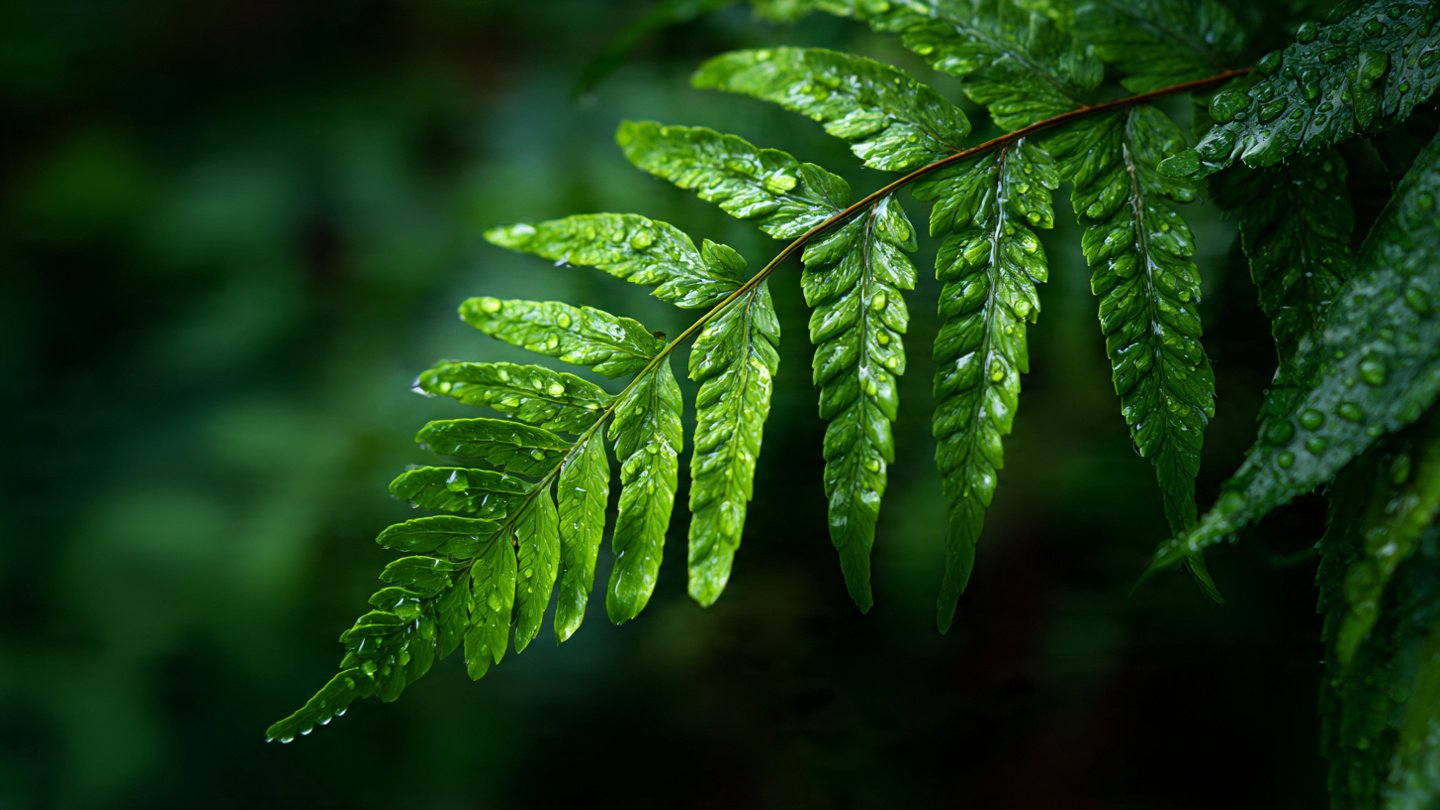
Ferns are beautiful, lush plants that offer a touch of elegance to any indoor or outdoor space. Their unique leaves, known as fronds, can enhance the aesthetic appeal of your environment. However, keeping fern leaves lush and moist requires attentive care and understanding their specific needs.
Understanding Ferns
Ferns are ancient plants that thrive in humid environments. Unlike many other plants, they reproduce via spores instead of seeds. Their lush foliage can be attributed to their preference for moist growing conditions. Understanding their habitat needs is vital for ensuring their health and vibrant growth.
Optimal Environment for Ferns
Creating the right environment is the cornerstone of keeping your fern leaves lush and moist. Here are several environmental factors to consider:
1. Humidity
Ferns thrive in high humidity. Ideally, they prefer humidity levels between 40% and 60%. If your home is dry, especially during winter months, consider the following methods to increase humidity:
- Place a humidifier in the room where your fern resides.
- Group your ferns together to create a microclimate.
- Use a pebble tray filled with water underneath the pot to raise humidity levels.
- Regularly mist the fronds with water, which helps maintain moisture.
2. Light Requirements
While ferns can tolerate low light, they generally prefer indirect sunlight. Too much direct sunlight can scorch their leaves. Place your ferns in bright, filtered light to maintain their lushness. East or north-facing windows are often ideal locations.
3. Temperature
Ferns flourish in temperatures ranging from 60°F to 75°F (15°C to 24°C). Avoid placing them near heating vents or cold drafts, as drastic temperature changes can stress the plant. In addition, be mindful of seasonal temperature shifts.
Soil and Watering
1. Soil Type
Ferns prefer well-draining soil that retains some moisture. A blend of potting soil, peat moss, and perlite works well to achieve the right balance. Ensure that the pot has adequate drainage holes to prevent root rot.
2. Watering Practices
Watering is a crucial aspect of fern care. The key is to keep the soil consistently moist but not soggy. Here are some tips:
- Check the top inch of soil; if it feels dry, it’s time to water.
- Use room temperature water to avoid shocking the roots.
- Consider the size of the pot and the type of fern when determining the watering frequency; smaller pots and certain ferns may require more frequent watering.
Fertilizing Your Ferns
Fertilization is essential for the health of your ferns. However, over-fertilizing can harm them. Use a diluted, balanced liquid fertilizer during the growing season (spring and summer). Fertilize every 4 to 6 weeks, but avoid fertilizing during the dormant period in fall and winter.
Pruning and Maintenance
Maintaining the appearance of your ferns involves regular pruning. Removing dead or yellowing fronds encourages new growth and keeps the plant looking fresh. Use sharp, clean scissors to avoid damaging the healthy parts of the plant.
Pests and Diseases
Pests can threaten the lushness of your fern leaves. Common pests include spider mites, mealybugs, and aphids. Here are ways to manage these threats:
- Regularly inspect your plants for signs of pests.
- If you notice pests, wipe the leaves with a damp cloth or spray them with insecticidal soap.
- Ensure proper air circulation to reduce disease risk.
Signs of Stress in Ferns
Recognizing signs of stress in your ferns is essential in maintaining their health. Common signs include:
- Yellowing leaves: Indicates overwatering or nutrient deficiencies.
- Brown tips: Often a sign of low humidity or underwatering.
- Wilting: Can be caused by underwatering or root rot.
Conclusion
Keeping your fern leaves lush and moist is achievable by understanding their specific needs in humidity, light, soil, and maintenance practices. By creating the right environment and being attentive to watering and fertilization, you can enjoy healthy and vibrant ferns that enhance your space. Regular monitoring for pests and diseases will ensure your ferns remain thriving companions for many years. With these strategies in hand, you’ll be well-equipped to nurture your ferns and enjoy the lush greenery they bring to your home.
FAQs
1. How often should I water my fern?
You should water your fern when the top inch of the soil feels dry. The frequency will depend on the type of fern, pot size, and environmental conditions.
2. Can I use tap water for my ferns?
Yes, but it’s best to let tap water sit for 24 hours to allow chlorine to dissipate before using it on your ferns.
3. What type of fertilizer is best for ferns?
A balanced liquid fertilizer diluted to half-strength is ideal for ferns during the growing season.
4. How can I increase humidity for my ferns?
You can increase humidity by using a humidifier, grouping plants together, placing a pebble tray with water under the pot, or misting the leaves regularly.
5. What should I do if my fern leaves are turning yellow?
Yellowing leaves can indicate overwatering or a nutrient deficiency. Adjust your watering habits and consider fertilizing if the soil is consistently moist.