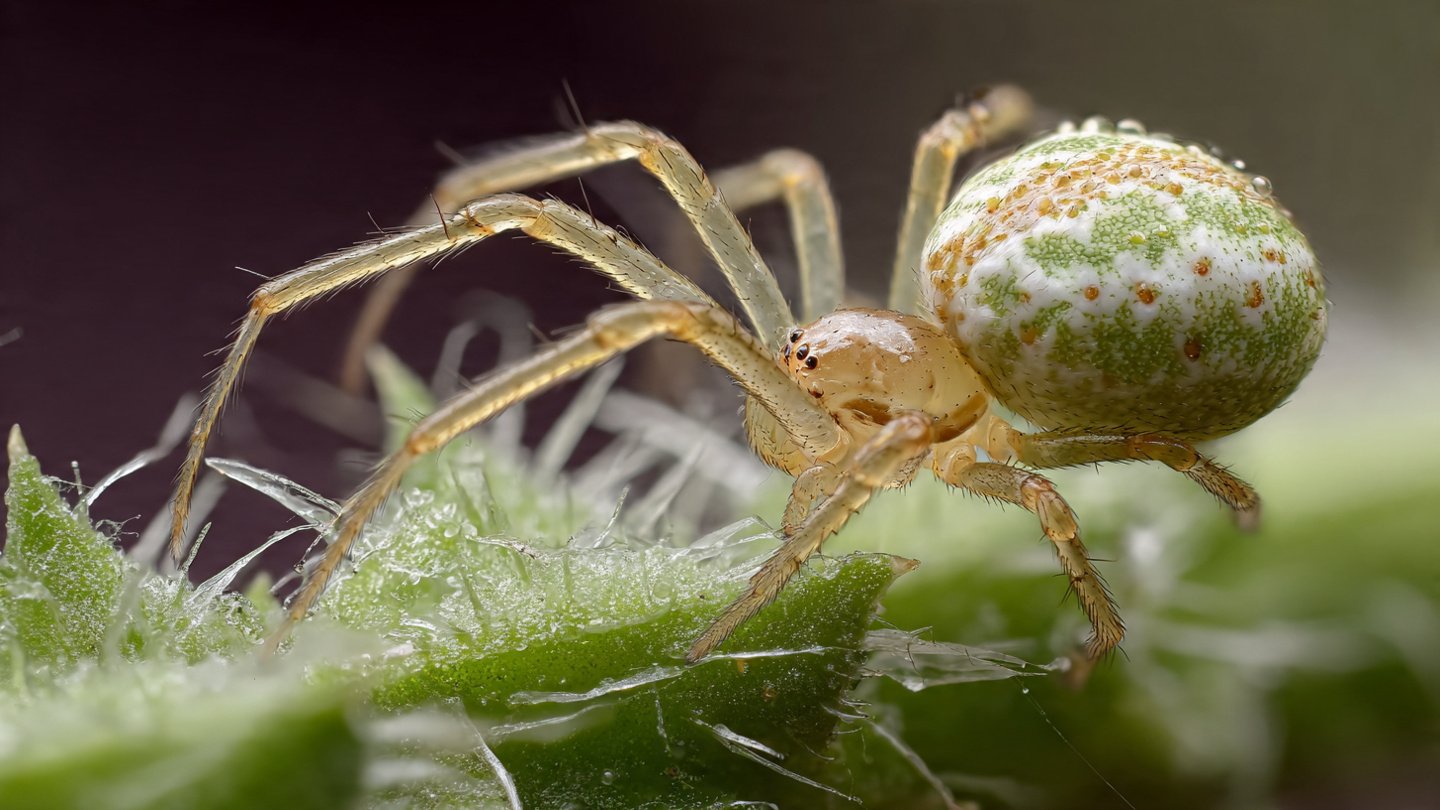
Understanding Spider Mites
Spider mites are tiny arachnids that can cause significant damage to a wide range of plants, both indoors and outdoors. They thrive in hot, dry conditions and reproduce quickly, making them a formidable foe for gardeners and plant enthusiasts. Identifying spider mite infestations early is crucial for effective management.
Identifying Spider Mites
Spider mites are usually less than 1/20th of an inch long and can appear in various colors, including green, yellow, and red. One key identifier is the fine webbing they create, often noticeable on the undersides of leaves. Additionally, you might see tiny specks on the leaves due to their feeding habits.
Signs of Infestation
- Yellowing leaves
- Stippling or speckled appearance on leaves
- Webbing on and around plants
- Premature leaf drop
Preventing Spider Mite Infestations
Prevention is the best strategy for dealing with spider mites. Implementing several cultural practices can help ensure your plants remain healthy and resilient to infestation.
Regular Inspection
Regularly check your plants for signs of spider mites, especially on the undersides of the leaves. Early detection can make a significant difference in managing potential infestations.
Maintain Humidity
Spider mites thrive in dry conditions. Increasing humidity around your plants can make them less hospitable to these pests. This can often be achieved through occasional misting, or by placing a humidifier nearby.
Encourage Natural Predators
Introducing beneficial insects such as ladybugs, lacewings, and predatory mites can help control spider mites naturally. These predators will feed on spider mites, reducing their population significantly.
Natural Remedies for Spider Mites
If a spider mite infestation occurs despite your best preventive measures, several natural remedies can help combat them effectively without the need for harsh chemicals.
Insecticidal Soap
Commercial insecticidal soaps can be effective against spider mites. However, you can also make your own by mixing water with a mild liquid soap. Apply it directly to the affected plants, ensuring coverage on both sides of the leaves.
Neem Oil
Derived from the seeds of the neem tree, neem oil is an effective natural pesticide. When applied to infested plants, it disrupts the life cycle of spider mites, preventing them from feeding and reproducing. Mix neem oil with water as per the instructions on the label for an effective treatment.
Essential Oil Sprays
Oils such as rosemary, peppermint, and clove have shown insecticidal properties. You can create an essential oil spray by mixing a few drops of essential oil with water and a drop of liquid soap. Spray this mixture on the affected areas of your plants.
Diatomaceous Earth
This fine powder consists of fossilized aquatic organisms and can be sprinkled on the soil or plants. Diatomaceous earth works by dehydrating spider mites, thus reducing their population. It’s essential to reapply after watering or rain, as moisture will render it ineffective.
Other Effective Strategies
In addition to the natural remedies mentioned, there are other strategies you can consider to combat spider mites effectively.
Water Spray
A vigorous spray of water can help dislodge spider mites from plants. This method is particularly useful for outdoor plants and can be repeated every few days to keep mite populations in check.
Companion Planting
Certain plants can deter spider mites when grown alongside your primary plants. For instance, planting marigolds or garlic can help repel these pests and protect your crops.
Cleaning the Plants
Regularly wiping down the leaves of your plants with a damp cloth can help remove webs and any spider mites residing on the surface. This practice can also promote better photosynthesis and overall plant health.
Conclusion
Combating spider mites naturally requires a combination of prevention, early detection, and the use of various natural remedies. By maintaining suitable conditions for your plants and using non-toxic solutions, you can effectively manage spider mite populations. Regular monitoring and adopting beneficial practices will enhance your success in keeping these pests at bay. Remember that patience and consistency are keys to successfully controlling spider mites and safeguarding the health of your plants.
FAQs
- 1. What are spider mites?
- Spider mites are tiny arachnids that can harm various plants by sucking their sap. They are often identified by their webbing and the stippled appearance they create on leaves.
- 2. How do I know if my plants have spider mites?
- Look for yellowing leaves, webbing on the undersides of leaves, and tiny specks that indicate feeding activity. Regular inspections can help catch infestations early.
- 3. Are natural remedies effective against spider mites?
- Yes, many natural remedies, like neem oil and insecticidal soap, can be quite effective at controlling spider mite populations without harming beneficial insects.
- 4. How can I prevent spider mites from infesting my plants?
- Regular inspection, maintaining humidity, and encouraging natural predators are vital steps for prevention. Keeping plants healthy also reduces their vulnerability to pests.
- 5. Can I use chemical pesticides to eliminate spider mites?
- While chemical pesticides can be effective, they can also harm beneficial insects. It’s advisable to try natural remedies first and only resort to chemicals as a last measure.