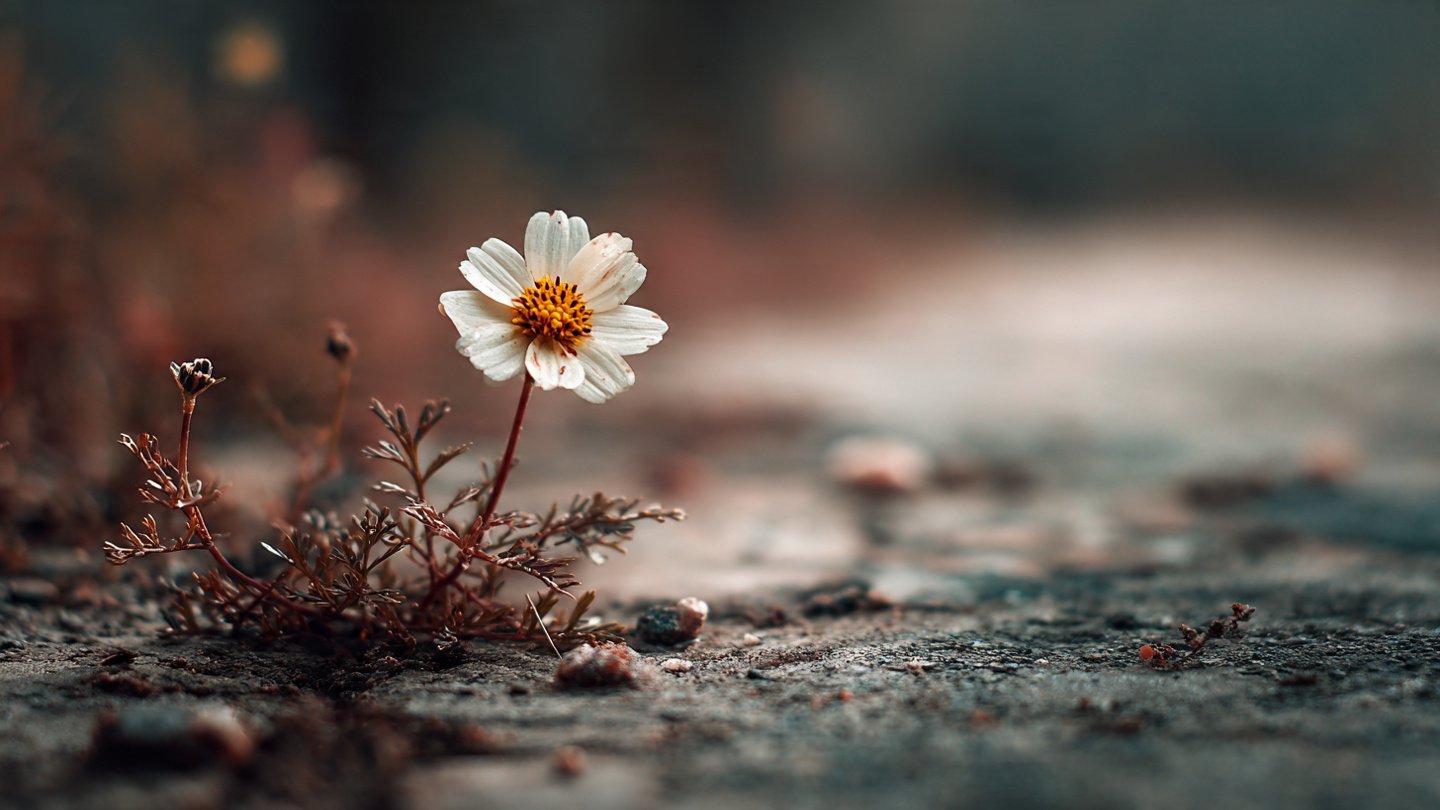
Flowers have long captivated the human imagination with their beauty, colors, and aromas. However, modern science continues to uncover the secrets behind their remarkable adaptations to their environments. The phrase “walking across the ground” may evoke an image of a flower moving on its own, which seems mythical. In reality, flowers exhibit a range of behaviors that demonstrate movement, adaptation, and interaction with their environment. Understanding how flowers ‘walk’ or adapt to their surroundings involves exploring various biological, ecological, and mechanical aspects.
The Biological Mechanisms Behind Flower Movement
Despite their seemingly static nature, flowers and their parent plants possess multiple biological mechanisms that allow them to influence their surroundings. The following sections describe these mechanisms in detail:
1. Growth Response to Light
Phototropism is one of the most well-known mechanisms through which plants, including flowers, move. This phenomenon occurs when a plant grows towards a light source. The hormone auxin plays a crucial role here; it redistributes on the shaded side of the plant, promoting uneven growth and thereby bending the flower or plant toward the light. This behavior not only enhances photosynthesis but also assists in seeking out environments conducive to their growth.
2. Hydrotropism: Responding to Water
Another essential mechanism is hydrotropism, which is the plant’s ability to grow towards areas with higher moisture content. Roots can navigate through the soil, extending themselves to where water is present. This directional growth toward moisture is vital for the overall health of the plant, as it ensures a consistent supply of water, which in turn supports flower development.
3. Thigmotropism: The Touch Response
Some flower species exhibit a behavior known as thigmotropism, which refers to movement or growth in response to physical contact. A well-known example is the climbing plant, which wraps around objects for support. Although not ‘walking’ in the traditional sense, these plants use physical contact as a cue to adjust their growth patterns, allowing them to seek sunlight and access resources more effectively.
Flower Mobility in Nature
While flowers themselves do not walk, they can display remarkable adaptive behaviors that give the illusion of movement. Plants can move their reproductive structures to optimize pollination and reproduction.
1. Pollinator Attraction
Many flowers have evolved mechanisms that enable them to attract pollinators effectively. The scent, shape, and color of flowers are designed to appeal to specific insects and animals. Once pollinated, some flowers may adjust their position or orientation to ensure that their reproductive parts are well-placed for the next stage of development, which could be seen as a form of strategic mobility.
2. Seed Dispersal
Some plants utilize unique mechanisms for seed dispersal that resemble movement across the ground. For example, the seed pods of certain plants can explode and scatter seeds over distances, effectively ‘walking’ the species into new areas. Other flowers may rely on wind or animals to carry their seeds far from the parent plant, allowing future generations to spread across a broader territory.
The Ecological Significance of Flower Movement
The various mechanisms through which flowers can navigate their environment play a critical role in their survival and reproduction. Here’s how:
1. Competition for Resources
In densely populated areas, competition for sunlight, water, and nutrients is fierce. The ability to grow towards light or moisture gives flowers a distinct advantage, increasing their chances of thriving. This adaptive behavior is crucial for survival, especially in environments where resources may be scarce.
2. Habitat Adaptation
Plants that can respond to their habitats—by growing towards light or water, for example—are better equipped for survival in harsh conditions. In environments subject to extreme weather or changing climates, such adaptability can mean the difference between life and death.
3. Enhancing Biodiversity
As flowers adapt and evolve, they contribute to the overall biodiversity of an ecosystem. The intricate relationships between flowers and their pollinators, for instance, underscore the importance of mobility in promoting biodiversity. Pollinator species rely on flowers for nourishment, while flowers depend on pollinators for reproduction, creating a delicate balance that sustains diverse ecosystems.
Conclusion
While flowers may not literally walk across the ground, their remarkable adaptations and behaviors demonstrate an extraordinary capacity for movement and interaction with their environment. Through mechanisms like phototropism, hydrotropism, and thigmotropism, flowers optimize their growth, ensure successful pollination, and promote biodiversity. Their ability to adapt is not only fascinating but also vital for the health of ecosystems worldwide. By studying these intricate behaviors, we deepen our understanding of the natural world and the complex web of life that flowers help sustain.
FAQs
1. Can flowers really move on their own?
Flowers don’t move in the traditional sense, but various mechanisms allow plants to adapt their growth in response to environmental stimuli, giving the illusion of movement.
2. What is phototropism?
Phototropism is the growth of a plant in response to light. When light is more intense on one side, auxin hormones redistribute and cause the plant to bend toward the light source.
3. How do flowers attract pollinators?
Flowers attract pollinators through bright colors, appealing shapes, and pleasant scents. These features are designed to specific pollinator species, enhancing the chances of successful reproduction.
4. What role do flowers play in ecosystems?
Flowers contribute to ecosystems by providing food for pollinators and other organisms, promoting biodiversity, and supporting the reproductive processes of various plant species.
5. Can other parts of the plant move like flowers?
Yes, other parts of plants, like leaves and stems, can also exhibit movement in response to environmental factors, similar to flowers, enhancing their survival and adaptability.