Creating a lush and vibrant kitchen herb garden can elevate your culinary experience, enhance the visual appeal of your kitchen, and provide a fulfilling hobby. Among various gardening methods available today, wicking beds stand out as an ingenious solution for growing herbs effectively, particularly in limited spaces. Utilizing a unique self-watering system, wicking beds provide a consistent moisture level crucial for cultivating strong, aromatic herbs. This article explores the many advantages of embracing wicking beds for your home herb garden, how they function, and how to set one up for success.
Wicking beds are designed to ensure that plants receive the appropriate amount of moisture while minimizing water waste, thereby simplifying the gardening process. Unlike traditional gardens where plants can suffer from inconsistent watering due to rainfall or manual efforts, wicking beds provide a buffer against varying conditions. This makes them perfect for growing herbs that thrive in evenly moist soil, like basil, thyme, and mint. Herbs grown in wicking beds often develop stronger flavors, as good moisture levels lead to enhanced growth and promote robust essential oil production.
One of the primary advantages of a wicking bed is its self-watering system, which uses a reservoir and a capillary action mechanism to supply plants with water. The bed typically consists of a bottom reservoir that holds water, which is then drawn up through the soil by wicking materials—like fabric or sand. This system maintains soil moisture at an optimal level, reducing the likelihood of overwatering or underwatering, common pitfalls in conventional gardening. Consequently, the consistent moisture helps herbs establish a strong root system, leading to healthier, more productive plants.
Setting up a wicking bed involves a few straightforward steps. First, select a container or construct a raised bed that allows for a water reservoir at the bottom. It’s critical to ensure proper drainage; you can use gravel or a layer of coarse material to create space for the water. The soil is then layered on top of the wicking medium, with the growing medium often being a mix suited for herbs. This specialized soil helps ensure adequate aeration while retaining moisture effectively.
Another benefit of using wicking beds is that they are incredibly water-efficient. In a world increasingly affected by climate change and water scarcity, conserving water is essential. Wicking beds utilize gravity and capillary action to draw water upwards, which minimizes evaporation compared to traditional gardening methods. This self-watering capability not only conserves water but also allows you to travel or be away from home without the fear of your herbs wilting. A properly designed wicking bed can go weeks without needing attention from the gardener, making it ideal for busy lifestyles.
Additionally, wicking beds can be placed in various locations, allowing for flexibility in your gardening approach. Whether you live in an apartment with a small balcony or have a spacious backyard, you can customize the size and shape of your bed to fit your available space. Container-sized wicking beds can be placed on patios, balconies, or kitchen windowsills, ensuring you can grow fresh herbs even in the most constrained environments. This versatility also allows you to position your herbs where they will receive optimal sunlight—a key factor in cultivating vibrant and thriving plants.
A wicking bed’s insulation properties help protect roots from extreme temperature fluctuations. The water reservoir acts as a buffer, helping to keep the soil temperature more consistent, which is particularly beneficial during summer heat. Many herbs prefer slightly cooler root zones even while the air temperature rises, so the dual layering of the wicking system allows for optimal growing conditions. This temperature moderation can give your herbs a competitive edge, promoting faster growth and healthier plants.
Recognizing the durability of the materials used in wicking beds can also contribute to long-term satisfaction in your gardening endeavors. Many modern wicking beds are designed from durable, weather-resistant materials, ensuring they last for many seasons. Additionally, because they are a form of raised bed gardening, you are less likely to deal with soil compaction, which further enhances plant health. Soil compaction can suffocate roots and restrict growth, and by utilizing a wicking bed, you mitigate those risks. This adaptability not only emphasizes sustainability but also encourages more organic practices as you cultivate your herbs.
Aesthetic appeal is another consideration when adopting a wicking bed for your kitchen herb garden. These beds can be crafted to fit your decor and style. You could paint them, use decorative stones, or incorporate them into existing garden pathways. As they flourish with herbs, they can become an attractive focal point in your kitchen or outdoor spaces. This integration of aesthetics and functionality can make maintaining your herb garden a more enjoyable experience, as it transforms your gardening space into a source of pride.
Moreover, growing your herbs in a wicking bed can have significant economic benefits. Fresh herbs can be rather expensive at the grocery store, and having an accessible source at home allows you to save money while enjoying organic produce. Given that many herbs can be regrown or dried for future use, the value you gain from a small investment in materials to build your wicking bed often far exceeds the cost of store-bought herbs. This cost-effectiveness can enable you to experiment with new varieties of herbs without the fear of losing your initial investment.
The health benefits associated with fresh herbs cannot be overlooked. Herbs like oregano, parsley, and cilantro bring not only flavor but also numerous health benefits, boasting high levels of vitamins, minerals, and antioxidants. By cultivating your own herbs in a wicking bed, you’re more likely to use them regularly in your cooking, thereby increasing your intake of these beneficial nutrients. The process of gardening itself can also contribute to mental well-being, offering a creative outlet and a means to connect with nature. Engaging in gardening can reduce stress, promote physical activity, and even improve mental clarity.
Lastly, cultivating a wicking bed for kitchen herbs can encourage a sense of community and connection. Sharing your gardening experiences with friends, family, or neighbors can foster relationships and create opportunities for exchanging knowledge and resources. You can even gift them some of your aromatic herbs, extending the joy of gardening beyond your own kitchen. Building a network of herb enthusiasts can lead to exciting collaborations in the kitchen, where each person contributes different herbs or recipes, enhancing culinary creativity and enjoyment.
In conclusion, embracing a wicking bed for your kitchen herbs is a decision that harmonizes practicality with passion. This innovative gardening method not only simplifies the maintenance and growth of herbs but also aligns with sustainable practices and personal well-being. From water efficiency and aesthetic appeal to cost-effectiveness and health benefits, wicking beds offer myriad advantages for herb enthusiasts of all levels. As you nurture your indoor or outdoor herb garden, you’ll discover that your small investment in a wicking bed can yield a bountiful harvest of flavor and wellness for years to come. So why not take a step towards an engaging, productive, and visually appealing gardening experience? Start your journey today.
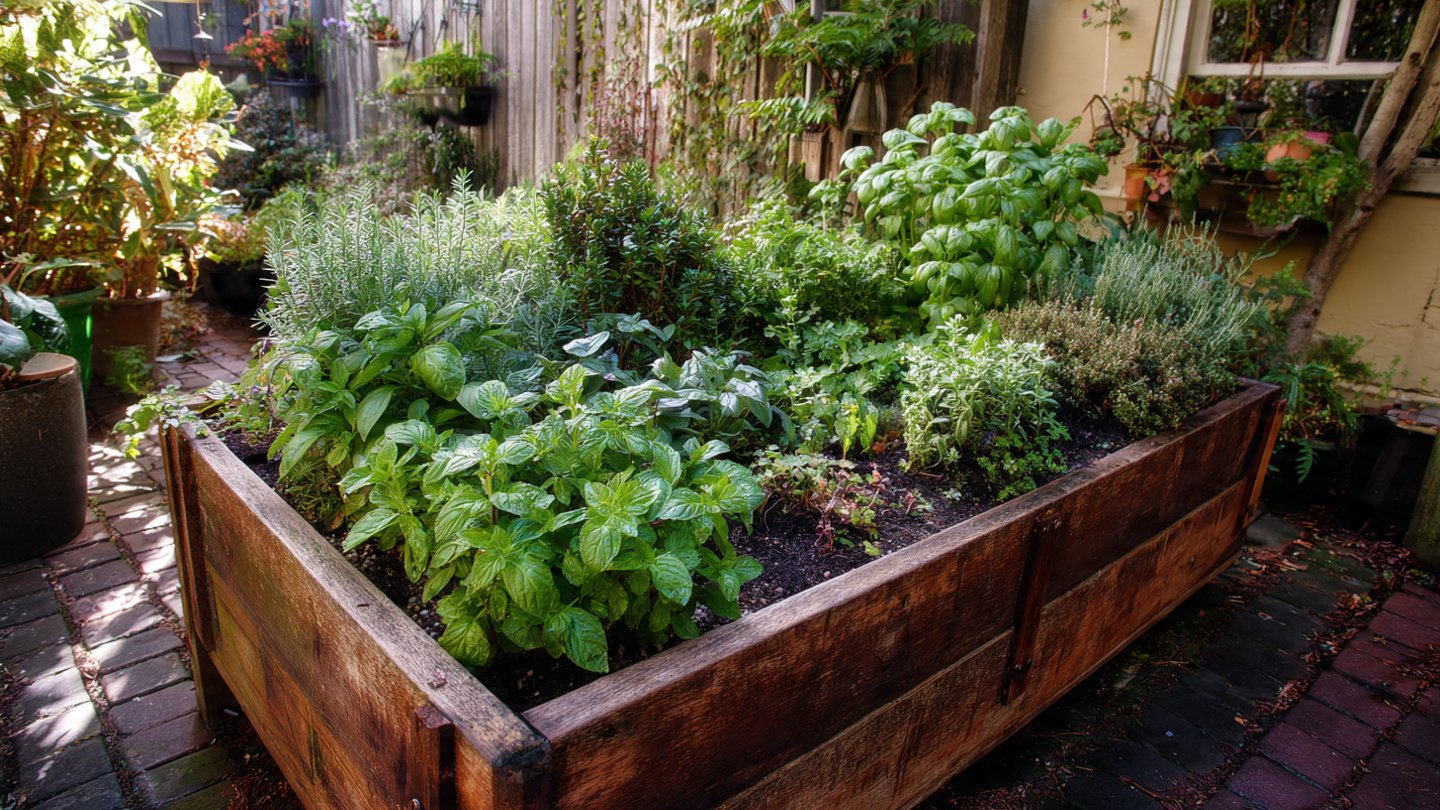
Why Should You Embrace a Wicking Bed for Thriving Kitchen Herbs?
Galaxy A57 5G With Super AMOLED Display
Redmi Turbo 5 Pro Max With 9000mAh Battery
Infinix Slim 5G Smartphone
Infinix 2026 5G Smartphone
Nokia 5G Smartphone With 150MP Camera
Nokia S25 Pro Max Smartphone
Vivo Powerful 5G Smartphone
Vivo Y400 Pro 5G Smartphone
Lava Ultra Luxury 5G Smartphone
Realme GT Series 5G Smartphone
Infinix Latest 5G Smartphone
OnePlus Smartphone With 300MP Camera
Vivo X200 Ultra Smartphone
OnePlus Turbo 6V 5G Smartphone
Motorola 5G Smartphone With 250MP Camera
Realme GT 8 Pro Smartphone
Vivo V50 Lite 5G Smartphone
OnePlus New 5G Smartphone
Samsung Galaxy 5G Smartphone
Vivo New Smartphone With 420MP Camera
Oppo Premium 5G Smartphone
Samsung Galaxy J15 Prime 5G
Vivo Smartphone With 300MP Camera
Vivo Affordable 5G Smartphone
Motorola Affordable 5G Smartphone
Nokia 7380 5G Concept Phone
Tecno Spark 20 Pro 5G
Motorola Premium 2026 5G
Infinix Hot 70 Pro Smartphone
Nokia 2026 5G Smartphone