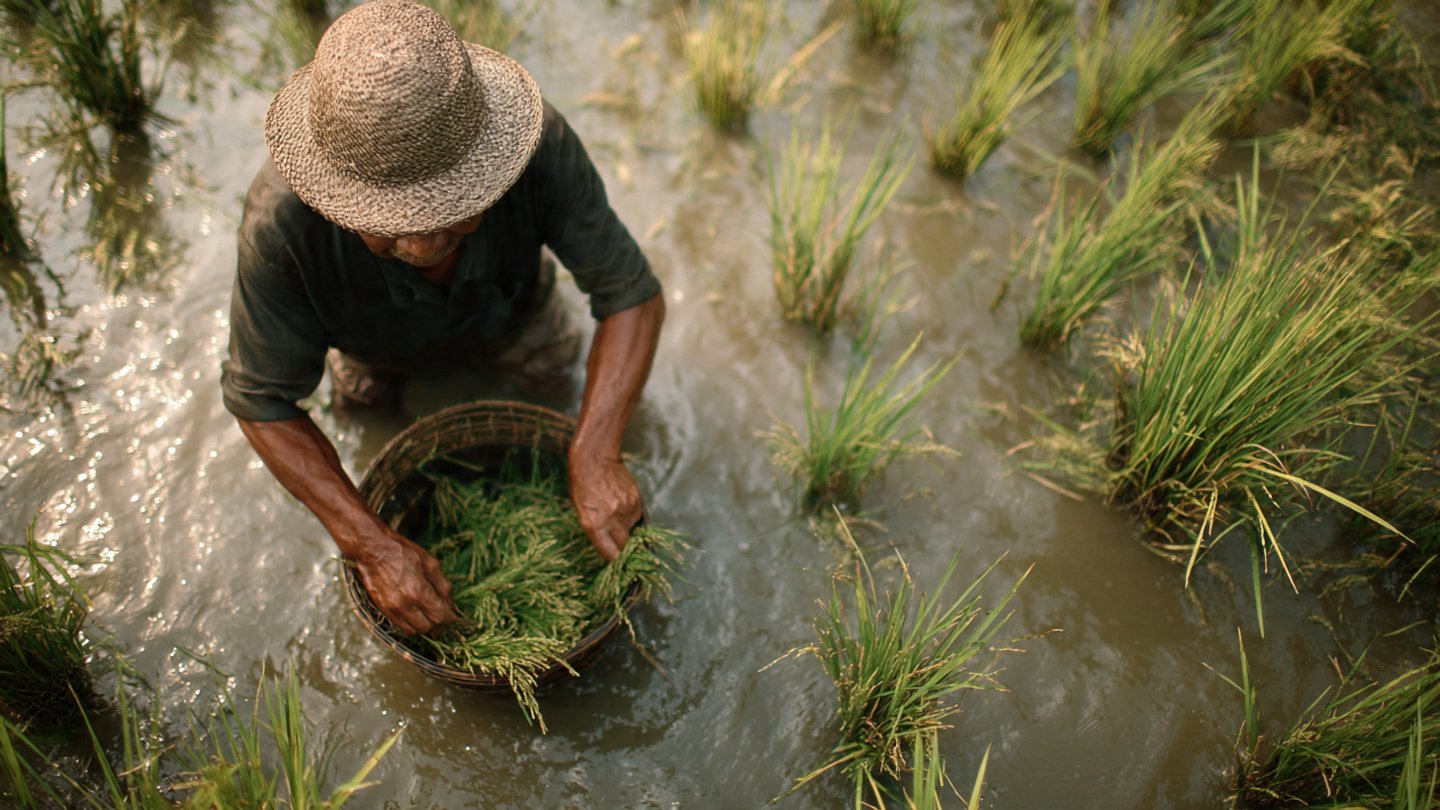
Rice is a staple food for a significant portion of the world’s population. With the increasing interest in sustainable living and urban gardening, many enthusiasts wonder if they can grow rice themselves, even in the constraints of a small space. One popular query is whether rice can successfully be grown in a small plastic bucket. This article will explore the requirements, methods, and outcomes of attempting to cultivate rice in this unconventional container.
Understanding Rice Cultivation
Before diving into the specifics of growing rice in a bucket, it’s essential to understand the typical cultivation process for this aquatic crop. Rice (Oryza sativa) grows best in warm, wet environments and traditionally requires flooded fields known as paddies. Here are some key factors in traditional rice farming:
- Water: Rice requires ample water, as it thrives in submerged conditions.
- Temperature: Ideal growth temperatures range between 70°F to 100°F (21°C to 38°C).
- Soil: Rice prefers nutrient-rich, clayey soil to hold moisture effectively.
- Sunlight: This crop needs full sunlight for at least six hours a day.
Why a Plastic Bucket?
Using a plastic bucket for rice cultivation may seem unusual, but it offers several advantages:
- Space Efficiency: Ideal for urban dwellers or those with limited garden space.
- Controlled Environment: You can monitor water and nutrients closely.
- Accessibility: An easy container to manage and move as needed.
Preparing to Grow Rice in a Bucket
Materials Needed
To grow rice in a plastic bucket, you will need the following materials:
- A 5-gallon plastic bucket: Ensure it’s clean and has no harmful residues.
- Rice seeds: Choose a short or medium-grain variety for easier management.
- Soil: A mixture of loamy soil and compost is ideal.
- Water: Access to ample clean water for flooding.
- Fertilizer: A balanced fertilizer to provide essential nutrients.
Step-by-Step Guide to Planting Rice
Step 1: Prepare the Bucket
Drill a few holes in the bottom of the bucket to ensure proper drainage. While rice needs a lot of water, too much drainage can dry out the roots. It’s vital to strike a balance by ensuring the bucket can hold enough water.
Step 2: Soil Mixture
Fill the bucket with a soil mixture, ideally a blend of loamy soil and compost, to provide nutrients. Leave about 2 inches from the top to allow space for flooding.
Step 3: Soaking the Seeds
Before planting, soak your rice seeds in water for 24 hours. This process helps to germinate the seeds and prepares them for planting.
Step 4: Planting
Once the seeds are soaked, plant them about 1 to 1.5 inches deep in the soil. Space the seeds approximately 4 inches apart to allow for proper growth and air circulation.
Step 5: Watering
After planting, fill the bucket with water to about 2 inches above the soil level. It’s essential to keep the water level consistent throughout the growing season, adjusting as necessary to maintain even flooding.
Step 6: Care and Maintenance
Monitor the bucket regularly for water levels and signs of pests. Refill the water as needed, and consider adding a diluted fertilizer solution every few weeks to ensure the rice has adequate nutrients.
Challenges of Growing Rice in a Bucket
While it is possible to grow rice in a bucket, there are challenges to consider:
- Limited Space: A 5-gallon bucket offers limited space for root development, potentially affecting growth.
- Water Management: Maintaining the appropriate water level can be tricky, especially in hot weather.
- Pests and Diseases: While manageable, pests like aphids can still pose a threat.
Potential Yield
The yield from a small bucket is markedly lower than a traditional paddy field. However, you can still expect to harvest enough rice to supplement your meals or share with friends and family. Generally, a 5-gallon bucket might yield approximately 1 to 2 lbs (0.45 to 0.9 kg) of rice, depending on several factors such as seed variety, soil quality, and care.
Conclusion
In summary, yes, you can successfully grow rice in a small plastic bucket. While there are challenges, advantages include spatial efficiency and control over the growing environment. To achieve the best results, pay attention to water levels, sunlight exposure, and nutrient provision. With patience and care, gardening enthusiasts can enjoy the unique experience of growing their own rice, even in an urban setting.
FAQs
1. Can I use any type of plastic bucket for growing rice?
It’s best to use a food-safe plastic bucket, preferably made from high-density polyethylene (HDPE). Avoid any containers that previously held chemicals.
2. How many rice plants can I grow in a 5-gallon bucket?
You can typically grow 5 to 10 rice plants in a 5-gallon bucket while ensuring they have enough space for optimal growth.
3. How long does it take for rice to grow in a bucket?
Rice typically takes about 90 to 120 days to mature, depending on the variety and growing conditions.
4. What should I do with the leftover rice straw after harvesting?
The leftover straw can be composted back into your garden or used as mulch to help retain moisture for future crops.
5. Can I grow rice indoors in a bucket?
Yes, rice can be grown indoors if you can provide sufficient light and temperature control. Consider using grow lights to simulate sunlight if natural light is inadequate.