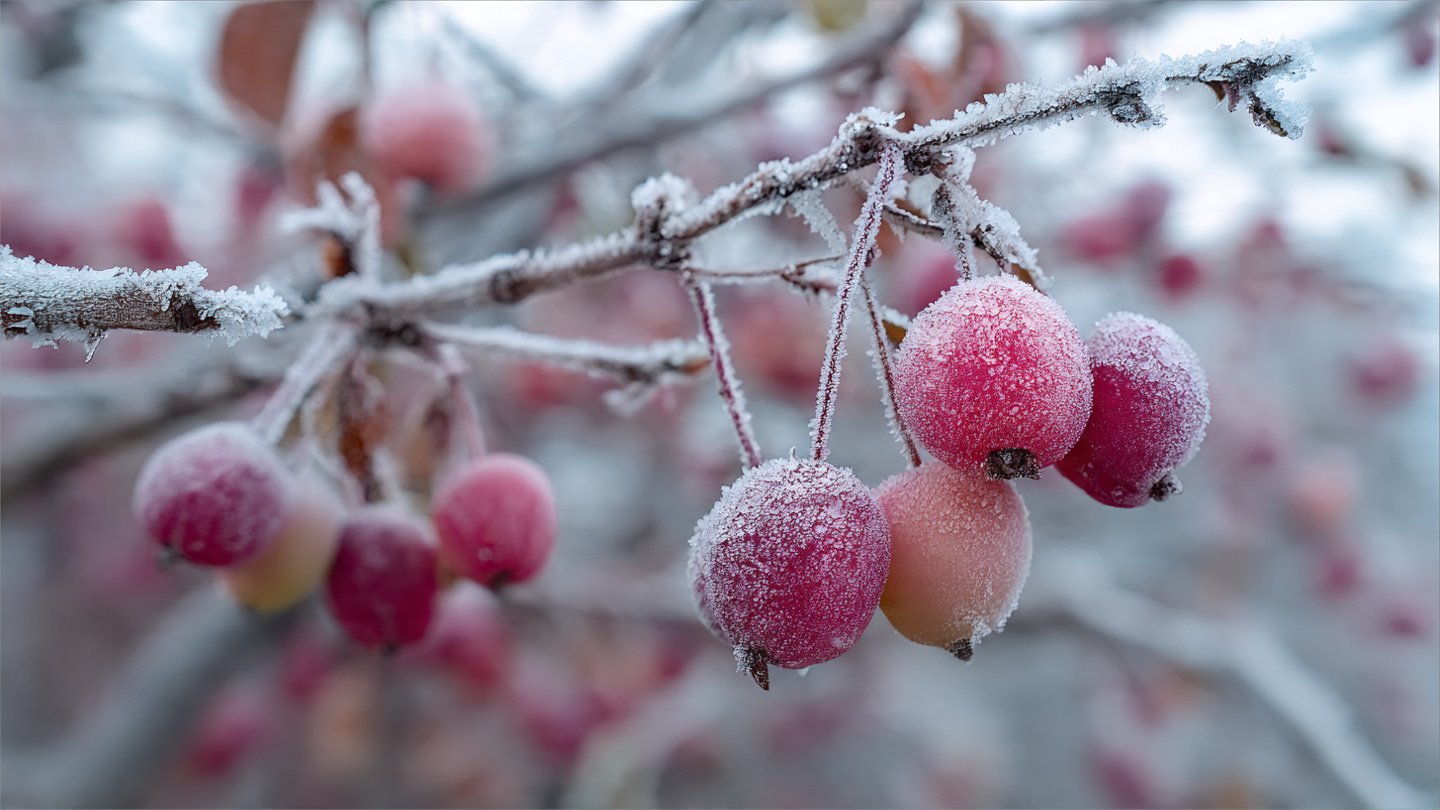
Winter frost can be a significant threat to fruit trees, leading to damage or even death. As temperatures drop and frost settles in, it can be detrimental to the delicate buds and blossoms that will bear fruit in the warmer months. Proper protection from winter frost is essential not only to preserve the health of the trees but also to ensure a fruitful harvest. In this article, we will explore how to effectively protect your fruit trees from winter frost and the benefits that come with it.
Understanding Winter Frost
Winter frost occurs when temperatures drop below freezing, causing moisture in the air to freeze. This can lead to ice forming on surfaces and frost developing on plants. The severity of frost damage varies among different types of fruit trees. Some species are more cold-hardy, while others may be more vulnerable.
During late winter or early spring, when fruit trees are prepping to bloom, a late frost can kill the emerging buds, significantly impacting the growing season. Understanding your local climate and the frost dates in your area can help you better prepare your trees for the cold months ahead.
Identifying Vulnerable Fruit Trees
Not all fruit trees are affected equally by winter frost. Some trees that are more susceptible to frost damage include:
- Peach Trees: These trees are particularly sensitive to late frosts during blooming.
- Cherry Trees: Similar to peach trees, cherry blossoms can be easily damaged.
- Apple Trees: While they may be hardier, they are still vulnerable during early blooms.
- Citrus Trees: These trees can suffer greatly from frost, particularly if temperatures drop too low.
Conversely, certain tree species like pears and some varieties of apples are relatively more tolerant of colder temperatures and may withstand frost better.
Methods for Protecting Fruit Trees
1. Mulching
Applying a thick layer of mulch around the base of your fruit trees can help insulate the roots and maintain a more stable soil temperature. Organic mulches like straw, bark, or wood chips are effective in providing this protection. Aim for a mulch layer of 4 to 6 inches, ensuring it is kept away from the trunk to prevent rot.
2. Tree Wraps
Using tree wraps can protect the trunks of young fruit trees from frost injury. These wraps, often made of breathable materials, help insulate the trunk and reduce temperature fluctuations that can lead to damage.
3. Row Covers
Covering trees with floating row covers or frost cloths provides a physical barrier against frost. These lightweight covers trap heat and create a microclimate around the trees. Ensure that covers are secured properly and removed during the day to allow sunlight in.
4. Watering
Watering fruit trees before a frost can help protect them. Wet soil retains heat better than dry soil, which can aid in maintaining a warmer root environment. Be careful not to overwater, as this could lead to root rot.
5. Using Heaters or Heat Lamps
For high-value fruit trees or in severe frost conditions, using heaters or heat lamps can be an option. Setting up these heat sources around your trees can provide enough warmth to ward off frost. It’s essential to monitor such setups closely to avoid fire hazards.
6. Selecting Hardy Varieties
When planting new fruit trees, consider selecting varieties that are known to be more resistant to winter frost. Researching which trees thrive in your local climate can help ensure a healthier yield.
The Importance of Timing
Timing is critical when it comes to managing frost protection. Knowing the expected last frost date in your region can help you monitor your trees and implement protection strategies in a timely manner. Additionally, understanding the growth stages of your trees will allow you to identify when they are most vulnerable to frost damage.
To effectively safeguard your trees, stay informed about local weather forecasts, as sudden drops in temperature can occur unexpectedly. Being proactive will save you considerable effort and prevent loss of your harvest.
Conclusion
Proper protection from winter frost is an essential aspect of maintaining healthy fruit trees and ensuring fruitful yields. By understanding the risks associated with frost and implementing effective protection strategies, you can safeguard your trees against the harsh winter conditions. Whether through mulching, covering, or selecting suitable tree varieties, the steps you take will significantly impact your trees’ ability to survive and thrive through the winter months. With careful management and protection, your fruit trees will be set up for a successful growing season.
FAQs
1. How do I know if my fruit tree is frost-damaged?
Signs of frost damage include brown or blackened buds, scorched leaves, or stunted growth. If the buds do not open in spring, they may have been affected by frost.
2. When should I apply mulch to my fruit trees?
Mulch should be applied in the fall before the first frost or in early spring before the trees begin to bloom. This helps insulate the roots during colder months.
3. Can I use plastic covers to protect my trees from frost?
While plastic can provide some insulation, it can also trap moisture and cause damage. It’s best to use breathable materials that allow for air circulation.
4. How often should I water my trees during the winter?
Watering should be done carefully. Ensure the soil is moist before frost but avoid waterlogging. Check the moisture levels frequently in dry winter months.
5. Are there specific varieties of fruit trees that are more frost-resistant?
Yes, some apple and pear varieties tend to be more cold-hardy. Local extension services can provide information on fruit varieties best suited for your climate.