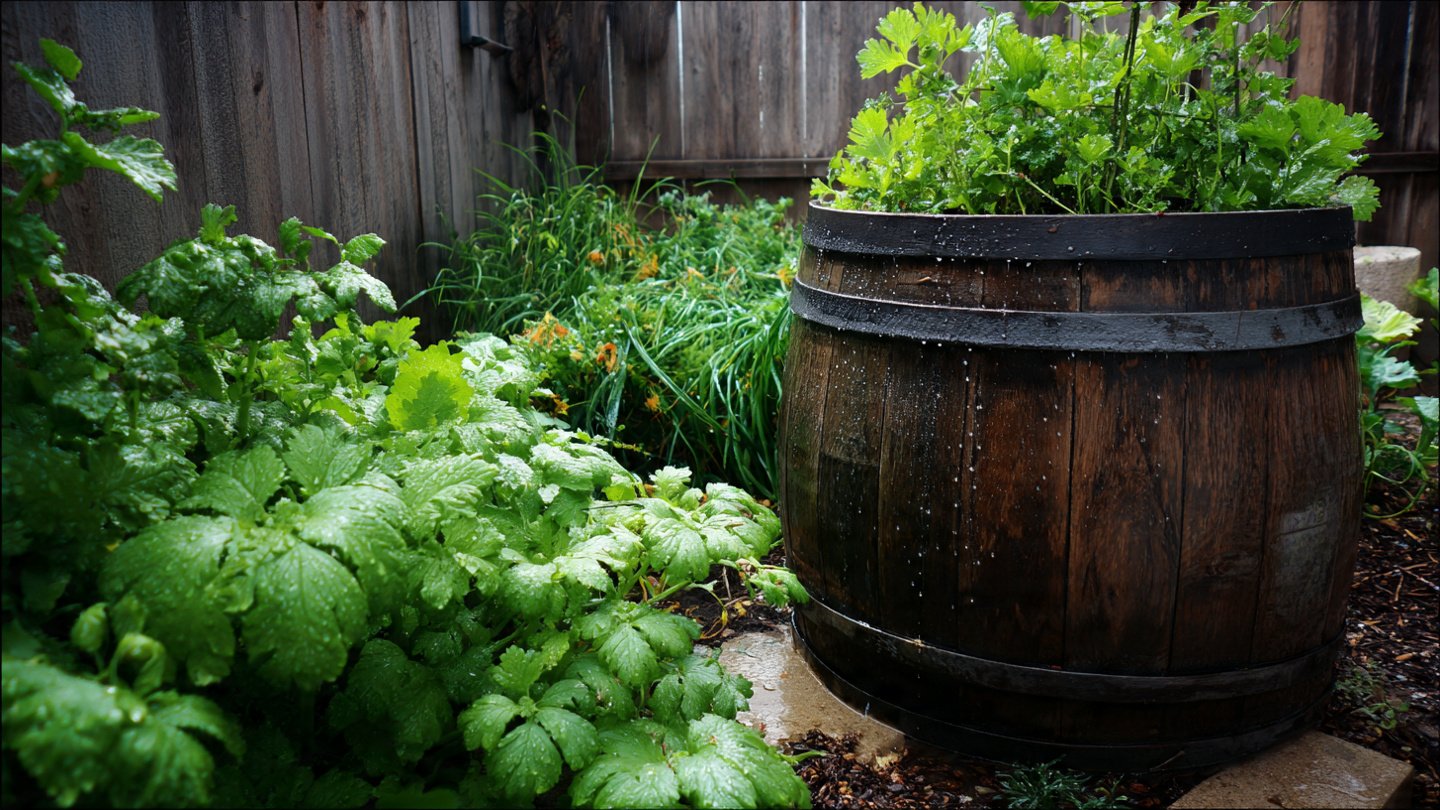
As climate change intensifies, garden enthusiasts and homeowners are seeking innovative and sustainable practices to maintain their green spaces. One increasingly popular solution is the installation of rain barrels. These simple yet effective tools not only promote sustainable gardening practices but also significantly enhance the health of your garden. Let’s explore how a rain barrel can transform your garden’s health and sustainability.
The Concept of a Rain Barrel
A rain barrel is a storage system that collects and stores rainwater from rooftops via gutters and downspouts. Typically made from durable plastic or wood, rain barrels come in various sizes, often ranging from 50 to 100 gallons. By capturing rainwater, these barrels provide an eco-friendly solution for watering your garden, reducing reliance on municipal water systems.
Benefits of Using a Rain Barrel
1. Water Conservation
Utilizing a rain barrel drastically reduces the amount of potable water you use for gardening. Here are some key points on how it conserves water:
- Collects rainwater that would otherwise run off into storm drains.
- Reduces dependency on municipal water sources, which can be especially vital during drought conditions.
- Helps lower water bills, offering significant financial savings over time.
2. Improved Plant Health
Rain barrels provide a natural source of water for your garden, which comes with several benefits:
- Rainwater is usually free from chemicals and additives found in tap water.
- The pH of rainwater is generally more suitable for plants, often leading to better nutrient absorption.
- Utilizing rainwater can help in preventing soil erosion and runoff, creating a healthier growing environment.
3. Sustainable Practices
Incorporating a rain barrel into your gardening routine is a significant step toward sustainability:
- Reduces the demand for treated water, which conserves energy used in water processing and transportation.
- Encourages biodiversity by creating a natural water source, thus attracting wildlife beneficial to gardens.
- Promotes responsible gardening practices, fostering a deeper connection with nature and ecological awareness.
How to Set Up a Rain Barrel
Setting up a rain barrel is a straightforward process. Here’s a step-by-step guide:
Step 1: Select a Location
Choose a spot near your downspout where the barrel can collect water efficiently. Ensure it is on a solid, level surface.
Step 2: Gather Materials
You’ll need the following materials:
- A rain barrel
- A diverter or a simple downspout connector
- Screen or mesh to cover the top and prevent debris and insects
- Optional: A spigot for easy access to water
Step 3: Prepare the Downspout
Cut the downspout at the appropriate height. If using a diverter, install it according to the manufacturer’s instructions to redirect water into the barrel.
Step 4: Install the Rain Barrel
Place the rain barrel under the downspout and ensure it is securely connected. Cover the top with mesh to keep out debris and mosquitoes.
Step 5: Maintenance
Regularly check the barrel for debris, and clean the screens and drains as necessary. Empty and clean the barrel every few months to prevent algae growth.
Maximizing the Benefits of Your Rain Barrel
To enhance the effectiveness of your rain barrel, consider the following strategies:
- Use a soaker hose: Connect a soaker hose to your rain barrel for efficient watering directly at the roots of your plants.
- Install multiple barrels: If you have space, linking multiple barrels will increase water storage capacity, especially before heavy rainfall.
- Maintain water quality: Regularly check for contamination or debris in your barrel to ensure clean water for your plants.
The Environmental Impact
The advantages of rain barrels extend beyond individual gardens to contribute to broader environmental health:
- Reducing Urban Runoff: Capturing rainwater can significantly decrease runoff in urban areas, mitigating flooding and erosion while enhancing local waterways.
- Protecting Water Quality: By reducing the volume of water entering storm drains, rain barrels prevent pollutants from reaching rivers and lakes, ultimately improving water quality.
- Lowering Carbon Footprint: Utilizing rainwater reduces the energy footprint associated with water treatment and transportation, promoting a more sustainable lifestyle.
Common Misconceptions About Rain Barrels
Despite the benefits, some misconceptions can deter individuals from using rain barrels. Let’s address a few:
1. It Attracts Pests
Many believe rain barrels attract mosquitoes. However, using screens can effectively prevent insect access, making it a safe and pest-free solution.
2. Requires Much Maintenance
While some upkeep is necessary, maintaining a rain barrel is minimal compared to other garden appliances.
3. Not Suitable for All Climates
Rain barrels can be beneficial in various climates. Even areas with limited rainfall can benefit from the collection of occasional storms.
Conclusion
Installing a rain barrel provides a multifaceted approach to enhancing your garden’s health and sustainability. From conserving water to improving plant vitality and contributing to environmental preservation, rain barrels offer an eco-friendly solution for any gardener. By making this simple addition to your gardening practices, you can enjoy lush, vibrant plants while supporting responsible water usage. The transformation begins with a single rain barrel—take the plunge and make a positive change today!
Frequently Asked Questions (FAQs)
1. Can I use rain barrel water for edible plants?
Yes, rainwater is safe for watering edible plants, as it doesn’t contain harmful chemicals typically found in treated municipal water.
2. How much rainwater can I collect with a single barrel?
The amount of rainwater you can collect depends on your roof size and the amount of rainfall. On average, a 1,000 square foot roof can collect about 600 gallons of water from one inch of rain.
3. Is it legal to collect rainwater?
Rainwater harvesting laws vary by region. Check local regulations to confirm whether collecting rainwater is permitted in your area.
4. How can I prevent my rain barrel from freezing in winter?
To prevent freezing, empty your rain barrel before the winter season and store it indoors, or insulate the barrel if you want to keep it outside.
5. Do I need a permit to install a rain barrel?
Typically, no permit is required for residential rain barrels, but it is advisable to check with local authorities to ensure compliance with any specific regulations.