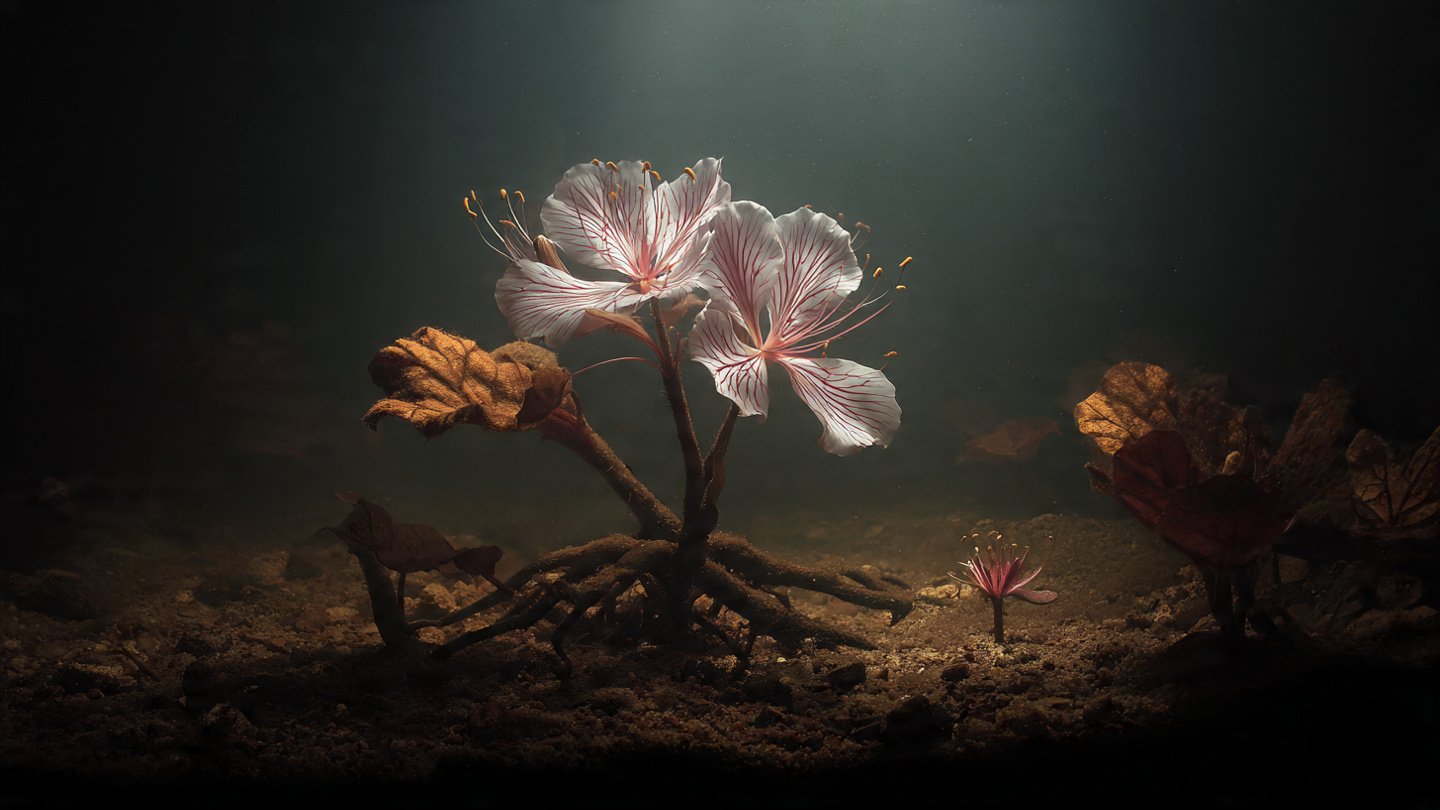
In the realm of botany, one of the most astonishing phenomena is the existence of flowers that bloom underground. These unusual flora defy conventional wisdom and present unique adaptations that allow them to thrive in dark subterranean environments. Among these mysterious species, some of the more well-known examples include the Rafflesia arnoldii, the corpse flower, and various types of orchids. In this article, we will explore the secrets held by these hidden blooms, shedding light on their adaptations, ecological significance, and the mysteries they entail.
The Adaptations of Underground Flowers
Flowers that bloom underground possess remarkable adaptations that enable their survival in the challenging conditions of dark, nutrient-poor environments. Understanding these adaptations is key to appreciating the unique strategies these plants use to flourish.
1. Photosynthesis Alternatives
Most flowers depend on photosynthesis, but underground flowers have adapted in various ways:
- Parasitic Relationships: Some flowers, like Rafflesia, are parasites. They derive their nutrients and water from host plants, often trees, rather than relying on sunlight.
- Mycoheterotrophy: Many orchids gain nutrients through symbiotic relationships with fungi. The fungi connect to the roots of nearby plants, allowing these orchids to absorb nutrients indirectly.
2. Specialized Structures
To maximize their chances of survival in harsh conditions, underground flowers have developed specialized structures:
- Bulbs and Tubers: Many species store energy and nutrients in bulbs or tubers, allowing them to survive extended periods without light.
- Reduced Leaf Structures: While some underground flowers have minimal or no leaves, which helps them conserve energy and focus on reproduction.
3. Unique Pollination Strategies
To ensure their survival, underground flowers employ fascinating methods for pollination:
- Odor Emission: Flowers like the corpse flower emit strong, foul odors to attract specific pollinators, such as flies and beetles, that are drawn to the smell of decomposing organic matter.
- Timing of Blooming: Some species bloom during specific times of the year to coincide with the lifecycle of their pollinators, ensuring successful reproduction.
Ecological Significance
Underground flowers play a crucial role in their ecosystems, often influencing various biotic and abiotic factors. Their existence reveals the complex interconnections present in nature.
1. Biodiversity Contributions
Underground flowers maintain and enhance biodiversity within their habitats. As unique species, they form integral parts of food webs, supporting various insects, fungi, and other organisms:
- Habitat for Pollinators: By attracting specialized pollinators, underground flowers contribute to the ecological balance, maintaining healthy populations of various species.
- Soil Health: The lifespan and decay of these plants contribute organic matter to the soil, enriching it and supporting the growth of other plants.
2. Indicators of Environmental Health
Some underground flowers serve as indicators of environmental health. Their presence or absence can signify shifts in ecosystem dynamics and health:
- Soil Quality: The success of these plants often reflects the quality of the soil in their vicinity, highlighting the importance of preserving healthy ecosystems.
- Climate Change Indicators: Changes in blooming patterns can signal shifts in climate, providing early warnings about environmental changes.
Exploration and Conservation Efforts
As researchers continue to study underground flowers, various conservation efforts are being initiated to protect these unique species and their habitats. Understanding their ecological significance fosters a greater appreciation for biodiversity and the roles these hidden gems play.
1. Research Initiatives
Field studies and laboratory research are delving into the genetics and ecological roles of these flowers:
- Genetic Analysis: Scientists are examining the genetic makeup of underground flowers to uncover evolutionary paths and relationships among species.
- Ecological Studies: Research is focusing on their roles within ecosystems, especially concerning pollinators and soil health.
2. Conservation Strategies
Conservation efforts are essential for safeguarding these rare species:
- Habitat Protection: Efforts to protect and restore habitats where these underground flowers grow are crucial for their survival.
- Public Awareness Campaigns: Educating the public about the ecological significance of underground flowers can foster support for conservation initiatives.
Conclusion
The secrets held by flowers that bloom underground are a testament to the resilience and adaptability of nature. These unique plants, with their specialized adaptations, play vital roles in their ecosystems, contributing to biodiversity and signaling the health of their environments. Continued exploration and conservation efforts are paramount to ensure that these hidden wonders not only survive but thrive for generations to come. Understanding the complexity of their existence allows us to appreciate the intricate web of life that exists beneath our feet, urging us to protect these extraordinary species and their habitats.
FAQs
1. What is the most well-known underground flower?
The Rafflesia arnoldii, also known as the corpse flower, is one of the most famous underground flowers, known for its large size and foul odor.
2. How do underground flowers obtain nutrients?
Many underground flowers obtain nutrients through parasitic relationships with host plants or through symbiotic relationships with fungi.
3. Why are underground flowers significant for biodiversity?
They contribute to food webs, support various pollinators, and add organic matter to the soil, enriching their ecosystems.
4. What threats do underground flowers face?
Habitat destruction, climate change, and invasive species are significant threats to underground flowers and their ecosystems.
5. How can I help in the conservation of underground flowers?
You can support local conservation efforts, participate in educational programs, and spread awareness about the importance of these unique plants.