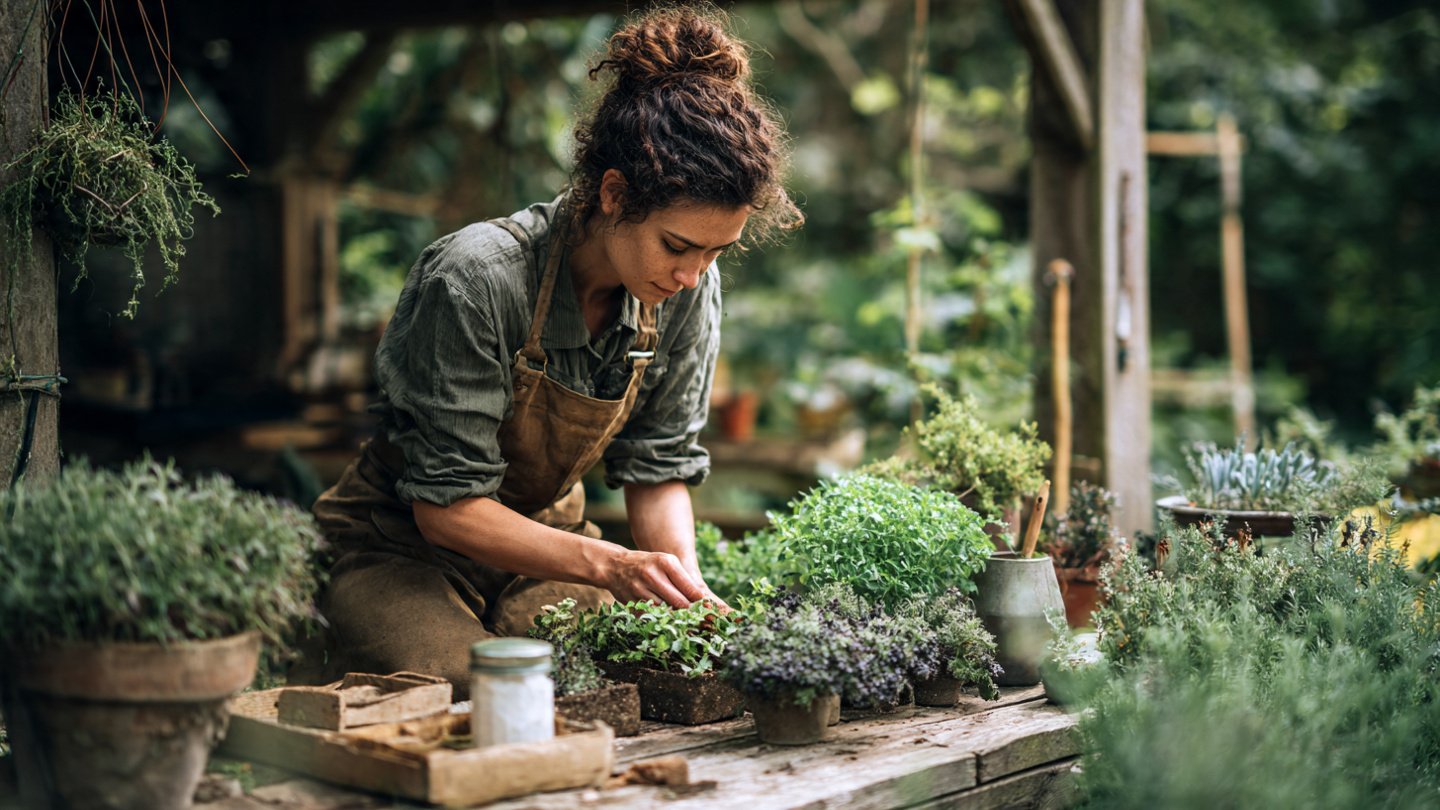
In today’s fast-paced world, where technology often takes center stage, our connection to the natural environment can become diluted. The garden serves as not only a space for aesthetic pleasure but also a profound connection to the earth and its cycles. Cultivating a garden can be an enriching experience, allowing individuals to reconnect with nature in various unique ways. This article explores how your garden can ultimately be a gateway to the wonders of the natural world.
1. A Space for Grounding
Grounding, or “earthing,” refers to the practice of connecting with the Earth’s energies by walking barefoot on grass, soil, or sand. Your garden can be the perfect sanctuary for this practice. As you spend time barefoot in your garden, you engage your sensory perceptions—feeling the textures of plants and soil beneath your feet.
Benefits of Grounding:
- Improved Mood: Studies have shown that grounding can reduce stress and improve mood by lowering cortisol levels.
- Enhanced Sleep: Grounding can also lead to better sleep patterns, which is crucial in our bustling lives.
- Increased Energy: Feeling connected to the ground can boost your overall energy levels.
Taking a moment to walk barefoot through your garden not only grounds you physically but also spiritually, allowing you to feel more connected to the earth beneath you.
2. The Rhythms of Nature
Gardening teaches us about the natural rhythms of the seasons. By planting seasonal flowers, vegetables, or herbs, you begin to notice how nature works in cycles. Spring is a time for planting, summer for growth, fall for harvest, and winter for rest.
Understanding Seasonal Changes:
- Awareness of Time: The changing seasons help us become more attuned to the passage of time and the cycles of life, enhancing our appreciation for nature’s intricate designs.
- Planning and Patience: Gardening requires patience and planning, teaching us to respect nature’s timeline rather than rushing the process.
Embracing these cycles fosters a deeper appreciation for nature, reminding us that growth often takes time, both in the garden and in life.
3. Biodiversity and Ecosystem Awareness
Your garden can serve as a micro-ecosystem, promoting biodiversity. By incorporating various plants, flowers, and even small ecosystems like ponds, you create habitats for different species, including beneficial insects, birds, and small mammals.
Benefits of Biodiversity:
- Insect Allies: Planting a diverse range of flowers helps attract pollinators like bees and butterflies, which are essential for crop production and the overall health of ecosystems.
- Natural Pest Control: Biodiversity can reduce the need for chemical pesticides, as natural predators will help keep pest populations in check.
- Soil Health: A variety of plants improves soil structure and health, promoting better water retention and nutrient cycling.
By nurturing a diverse garden, you not only create a sanctuary for wildlife but also contribute positively to the environment.
4. Therapeutic Benefits of Gardening
Gardening has long been recognized for its therapeutic benefits. The practice of tending to plants can reduce anxiety, improve mental health, and promote physical well-being.
The Psychological Effects:
- Mindfulness: Engaging in gardening encourages mindfulness, allowing individuals to be present in the moment, focusing on the joys of nurturing plants.
- Stress Relief: The simple act of digging in the soil or watering plants can serve as a form of active meditation, helping to alleviate stress and anxiety.
- Sense of Accomplishment: Watching plants grow, bloom, and flourish provides a deep sense of achievement, boosting self-esteem.
Incorporating gardening into your routine can be an effective way to cultivate both mental clarity and emotional resilience.
5. Connection to Food Sources
Gardening grants you a direct connection to your food sources. Growing your own fruits, vegetables, and herbs provides not only physical nourishment but also a deeper understanding of where our food comes from.
Advantages of Growing Your Own Food:
- Nutritional Knowledge: When you grow your own food, you gain insight into nutrition and how food is produced. You learn to appreciate the time and effort involved in bringing food from seed to table.
- Sustainability: Home gardens promote sustainability, allowing for environmentally friendly choices in the food you consume.
- Flavor and Freshness: Homegrown produce often boasts superior flavor and freshness compared to store-bought options, making meals more enjoyable.
Connecting with your food source through gardening enhances your appreciation for nature’s bounty while promoting healthier eating habits.
6. Engaging the Senses
Gardening offers a sensory feast. Engaging your senses—sight, smell, touch, hearing, and taste—can deepen your connection to the natural world.
Enhancing Sensory Experiences:
- Visual Beauty: The colors and shapes of different plants create a stunning visual tapestry. Choosing a variety of plants can make your garden a vibrant canvas reflecting the changing seasons.
- Fragrance: The scents of various flowers, herbs, and even fruits can evoke different emotions and memories, connecting us to our experiences in nature.
- Sound of Nature: The rustle of leaves, the hum of bees, and the chirping of birds create a soothing soundscape that enhances the garden’s ambiance.
By consciously engaging your senses, you foster a richer connection to your garden and the broader natural world.
7. Community and Connection
Gardening isn’t just a solitary activity; it can also foster community connections. Participating in community gardens or gardening clubs allows individuals to share their experiences, seeds, and harvests, creating bonds with like-minded individuals.
Building Community Through Gardening:
- Shared Knowledge: Engaging with others in garden activities allows the sharing of skills and knowledge, enriching the gardening experience for all.
- Community Engagement: Community gardens can lead to local beautification efforts and enhance neighborhood pride.
- Cultural Exchange: Gardens often reflect cultural traditions and practices, allowing for meaningful exchanges and understanding between diverse groups.
Gardening as a community practice not only strengthens social ties but also enriches the collective understanding of nature.
8. Educational Opportunities
Gardens serve as dynamic outdoor classrooms, providing endless opportunities for learning.
Learning Through Gardening:
- Environmental Education: By observing plant growth, insect life, and soil health, individuals gain insights into ecological principles and environmental science.
- Skills Development: Gardening teaches practical skills such as patience, planning, and responsibility.
- STEM Learning: Through planting and observing, children and adults alike can engage with science, technology, engineering, and mathematics concepts.
Ultimately, a garden becomes a source of lifelong learning, encouraging curiosity about the natural world.
9. Celebrating Life Cycles
Connecting with nature involves recognizing and respecting the life cycles intertwined with gardening. Understanding the metamorphosis of plants and the interdependence of species fosters a deeper appreciation for life’s intricacy.
Recognizing Life Stages:
- Plant Growth: Watching seeds germinate, grow, flower, and finally produce fruit puts you in touch with the concept of life’s cyclical nature.
- Seasonal Changes: The seasonal shift in your garden teaches you about the rhythm of life—the beauty of birth, growth, decay, and renewal.
- Connection to Larger Ecological Cycles: By growing your garden, you’re contributing to the cycle of life, which includes energy flow through food webs.
Celebrating life’s cycles communicates a powerful message about the interconnectedness of all living beings and our role within this web.
10. Nature as a Teacher
Finally, engaging with your garden allows nature to impart wisdom. As temperatures rise and fall, as storms pass through, and as seasons change, nature teaches resilience, adaptation, and acceptance.
Lessons from the Garden:
- Resilience: Plants that thrive in harsh conditions exemplify the importance of adaptability and resilience in life.
- Interdependence: Observing how different species coexist and rely on one another reinforces the idea that our well-being is linked to that of others.
- Mindfulness: Nature encourages a sense of presence and patience, teaching us to slow down and appreciate the moment.
By embracing gardening, we invite nature to become our greatest teacher, guiding us in our personal journeys.
Conclusion
Your garden can be much more than just a collection of plants; it can be the ultimate connection to nature, serving as a space for grounding, healing, learning, and community. By cultivating a garden, you not only foster biodiversity and sustainability but also create a sanctuary that nourishes your mind, body, and spirit. Whether you have a sprawling backyard or a tiny balcony, the transformative power of gardening enables you to connect more deeply with the natural world and, in turn, with yourself. So dig in, plant your seeds, and allow your garden to become your gateway to the extraordinary connections that nature has to offer.