Introduction
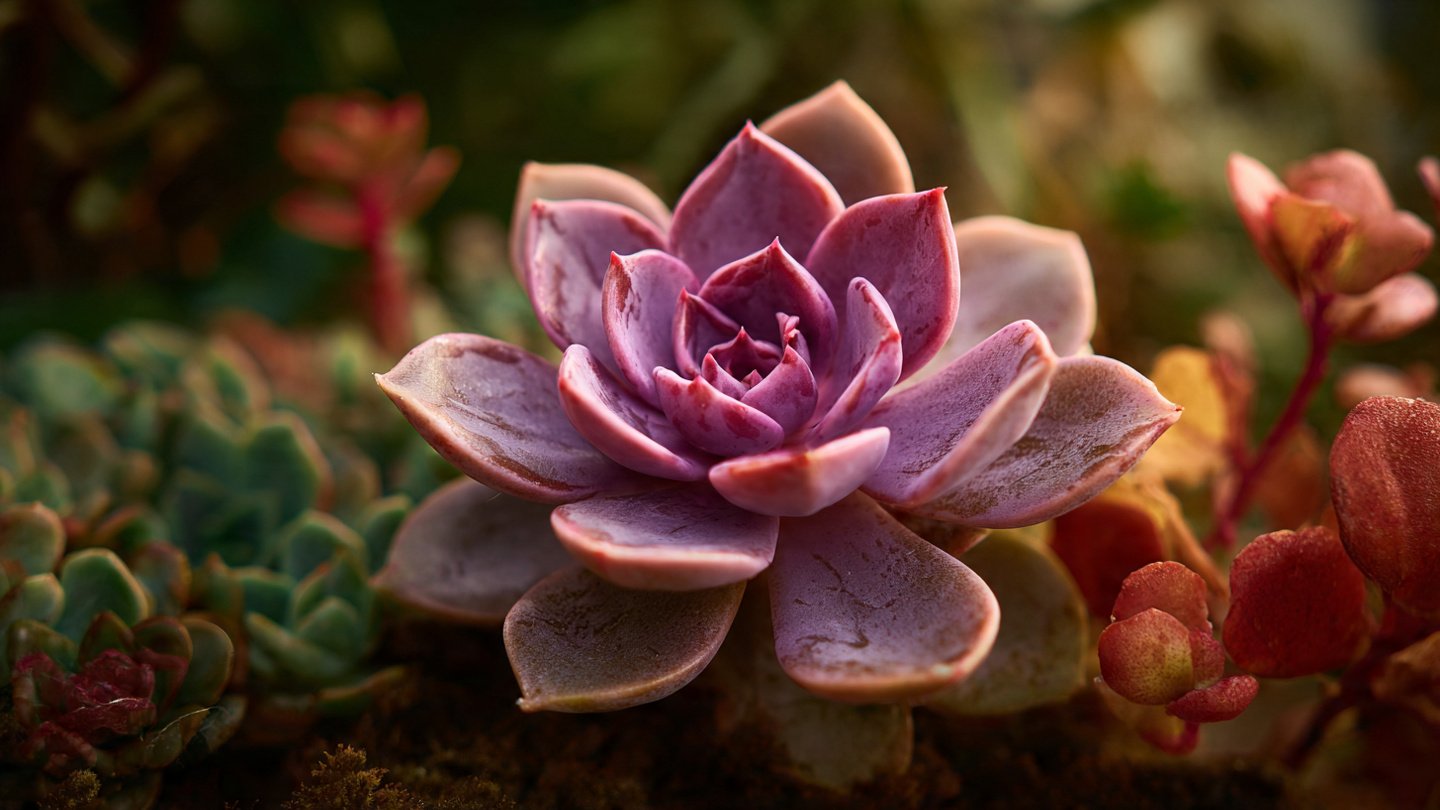
Succulents are popular houseplants admired for their unique beauty, low maintenance requirements, and ability to thrive in a variety of conditions. However, many succulent enthusiasts notice their plants changing color, particularly turning shades of purple or pink, especially during sunny conditions. This article delves into the reasons behind this color transformation, how it relates to your succulent’s health, and what it signals about its environmental conditions.
Understanding Color Changes in Succulents
Succulents are known for their water-storing capabilities, which help them survive in arid climates. However, several factors can cause them to change color, primarily related to stress responses. When a succulent begins to take on hues of purple or pink, it is often responding to environmental changes, particularly intense sunlight.
Reasons for Color Change
1. Sunburn or Sun Stress
Succulents generally thrive in full sun to partial shade, but sudden exposure to intense sunlight can cause sunburn. When this happens, the chlorophyll in the plant’s leaves can break down, leading to a change in color. As chlorophyll diminishes, the underlying pigments, such as anthocyanins, become more visible, resulting in vibrant shades of pink or purple.
2. Temperature Fluctuations
Temperature changes can also influence how a succulent appears. Exposure to cooler temperatures at night, especially after a hot day, can trigger the production of anthocyanins. This pigment serves as a protective measure against extreme conditions and can enhance the plant’s coloration.
3. Nutrient Deficiencies
Several nutrient imbalances can lead to color changes. For instance, a lack of phosphorus can result in purple hues while insufficient nitrogen may lead to a lighter, washed-out appearance. Providing balanced fertilizers can help mitigate these deficiencies and restore original colors.
4. Water Stress
Both overwatering and underwatering can lead to stress in succulents, causing them to change color. Underwatered plants may exhibit browning or shriveling, while overwatered ones can turn yellow or purple as they struggle with rot. Maintaining a consistent watering schedule based on the plant’s specific needs is crucial.
5. Variety-Specific Traits
Some succulent varieties are naturally predisposed to change color under specific conditions. For example, certain Echeveria or Sedum species are known to take on vibrant hues when exposed to higher light levels or cooler temperatures. Understanding the characteristics of your specific plant can help clarify whether the color change is healthy or a sign of stress.
Managing Color Changes
1. Gradual Sun Exposure
If your succulent’s color is changing due to sudden sun exposure, it is essential to acclimate the plant gradually. Start by placing it in a sheltered location where it receives indirect sunlight and slowly increase its exposure to direct sunlight over time.
2. Monitor Temperature
Keep an eye on the temperature fluctuations in your plant’s environment. If succulents are exposed to cold drafts at night, they may need to be moved indoors or to a more stable environment to prevent stress-induced color changes.
3. Nutrient Management
Using a balanced fertilizer can help prevent nutrient deficiencies. Ensure your succulent is getting the right nutrients during its active growing season—usually spring and summer—to maintain vibrant growth without excessive stress.
4. Water Wisely
Establishing a watering routine that considers the specific needs of your succulent is crucial. Check the soil moisture regularly and adjust your watering schedule according to the season and environmental conditions.
Conclusion
Succulents changing to purple or pink in the sun can be a beautiful transformation, signaling stress but also showcasing the plant’s resilience. Understanding the reasons behind this phenomenon—such as sunburn, temperature fluctuations, nutrient deficiencies, and water stress—can help you maintain the health and vibrancy of your succulents. By monitoring your plants and adjusting their care, you can enjoy their stunning colors while ensuring long-term growth and vitality.
FAQs
1. Is it normal for succulents to change color in the sun?
Yes, it is normal for many succulents to change color in response to sunlight as part of their stress response mechanisms.
2. How can I tell if my succulent is suffering from sunburn?
If you notice your succulent developing scorched patches or discoloration, it may be experiencing sunburn. Gradual acclimatization to direct sunlight can help prevent this issue.
3. What should I do if my succulent is turning purple?
Assess the light, temperature, watering, and nutrients. Adjust as necessary—moving it to a shaded area, ensuring proper watering, and fertilizing as needed can help restore its health.
4. Can color changes indicate a healthy succulent?
Yes, in some cases, color changes can indicate a healthy plant responding positively to environmental stress factors. However, it is essential to monitor other signs of health.