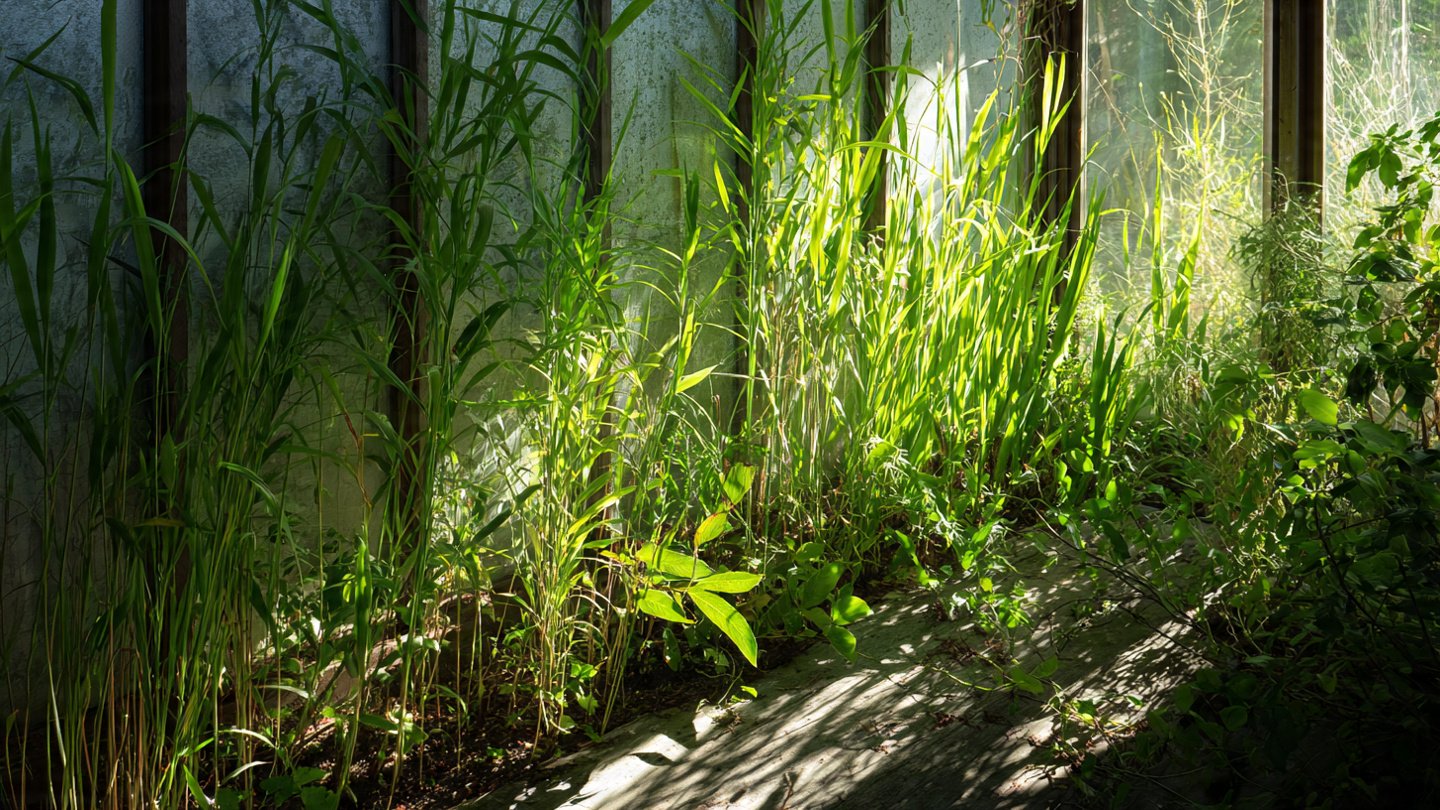
In urban environments, where space is limited and neighbors are often within an arm’s reach, creating a private oasis on a balcony is essential for many city dwellers. While traditional fencing or walls can be effective, they often come with a hefty price tag, maintenance concerns, and a lack of aesthetic appeal. An innovative and eco-friendly alternative lies in the use of tall grasses. These beautiful plants can provide instant privacy, add a natural touch, and contribute to a soothing atmosphere. This article delves into why tall grasses are an excellent choice for balcony privacy, the types to consider, care instructions, and creative installation ideas.
The Benefits of Using Tall Grasses for Privacy
1. Natural Aesthetic
Tall grasses offer a soft, organic look that blends beautifully with various styles of architecture and landscaping. Unlike hardscapes like wooden fences or brick walls, which can feel imposing, tall grasses provide a more welcoming and harmonious feel. Their gentle movement in the breeze can add an extra element of tranquility to your balcony, making it an ideal space for relaxation.
2. Instant Coverage
One of the most compelling reasons to choose tall grasses for privacy is their speed of growth. Many species of ornamental grasses can grow several feet tall in a single growing season, offering near-instant coverage. This is particularly advantageous for renters or anyone looking for a temporary solution, as you can achieve your desired privacy without a long waiting period.
3. Cost-Effective
Compared to building a solid wall or fencing, planting tall grasses is a more budget-friendly option. While the initial investment may include purchasing the plants and pots, the long-term maintenance costs are typically lower. Additionally, tall grasses require minimal care compared to traditional fences, which can suffer from rot, pests, and weather damage.
4. Noise Reduction
While they may not block out all sounds from bustling city life, tall grasses can help dampen noise. Their dense growth can act as a sound barrier, minimizing the intrusion of street noises and creating a more serene outdoor environment for your balcony.
5. Environmental Benefits
Using tall grasses improves your quality of life, and it also positively impacts the environment. They can contribute to air purification, support biodiversity by providing habitats for various insects, and even help with managing stormwater through their extensive root systems.
Selecting the Right Tall Grasses for Your Balcony
When choosing the right tall grasses for your balcony, several factors should be considered, including climate, sunlight, and the size of your space. Here are some popular species to consider:
1. Miscanthus Sinensis (Chinese Silver Grass)
This ornamental grass can reach heights of up to 6 feet and has stunning feathery plumes that bloom in late summer. Miscanthus adores full sun and is quite drought-resistant once established. Its robustness makes it an ideal choice for balcony privacy.
2. Pennisetum Alopecuroides (Fountain Grass)
This grass can grow roughly 3 to 4 feet tall and features soft, arching foliage with bunny-tail blooms. Fountain grass thrives in full sun and is fairly low maintenance, making it an excellent option for balcony gardeners.
3. Calamagrostis Acutiflora (Feather Reed Grass)
Feather reed grass usually reaches about 5 feet high and has a beautiful upright growth habit. Its slender, column-like structure is perfect if you want privacy without blocking out too much light. It can tolerate various soil conditions, enhancing its versatility.
4. Andropogon Gerardi (Big Bluestem)
A native species that can grow 4 to 8 feet tall, Big Bluestem is ideal for creating a more natural look. It has a unique blue-green hue that turns vibrant shades of red and purple in the fall. This species is hardy and resistant to drought.
5. Cortaderia Selloana (Pampas Grass)
Pampas grass can reach 6 to 10 feet in height and is known for its dramatic plumes. While it can be a bit invasive in some areas, it can be a showstopper on a large balcony, providing significant privacy.
Creating Your Private Oasis
Once you’ve chosen your tall grasses, it’s time to plan your balcony layout. Here are some tips for effectively using tall grasses to create privacy:
1. Container Gardening
Using pots or containers is the simplest way to plant tall grasses on a balcony. Select pots that can accommodate the plants’ mature size and ensure they have drainage holes. Consider placing different species together for a varied aesthetic and to enhance visual interest.
2. Layering and Height Variation
For a dynamic and lush appearance, group your tall grasses in layers. Place the tallest species at the back or center, with shorter varieties in front. This creates depth, allowing you to fully utilize space while maximizing privacy.
3. Use Vertical Space
If your balcony is limited in floor space, consider using vertical gardening techniques. Install wall-mounted planters, shelves, or trellises to elevate your grasses. Climbing plants can also complement the tall grasses for additional coverage.
4. Create a Green Wall
For a more unified look, consider creating a green wall. This can be achieved using planter boxes stacked vertically or a trellis with climbing greens supported by the grasses. This option is particularly effective in smaller spaces, freeing up floor space while maximizing your privacy.
5. Combine with Other Plants
To create a lush retreat, mix tall grasses with other plants, such as shrubs or flowering plants. This will not only boost privacy but also add seasonal interest. Choose plants that thrive in similar conditions to ensure a unified ecosystem.
6. Consider Seasonal Changes
When planning your balcony garden, consider how your chosen grasses will change throughout the seasons. Some species maintain their visual appeal year-round, while others offer a stunning display only during specific times. Mixing seasonal plants will ensure your balcony remains vibrant all year long.
Care and Maintenance
To ensure that your tall grasses thrive and provide the privacy you desire, proper care is essential. Here are some best practices for maintaining your balcony garden:
1. Watering
While many tall grasses are drought-tolerant, newly planted grasses require regular watering to establish strong roots. Once established, water depending on seasonal rainfall and soil condition. Generally, ensure the soil remains moist but not soggy.
2. Fertilization
Tall grasses typically thrive on well-draining soil. Add an organic fertilizer during the growing season to support their growth, particularly if they are in pots, where nutrients can deplete quicker. Follow the instructions on the fertilizer for appropriate application rates.
3. Pruning and Deadheading
Regularly deadhead your grasses by removing spent blooms to encourage new growth and maintain an attractive appearance. Prune the plants in early spring before new growth emerges, this allows for healthy growth in the warmer months.
4. Pest Control
While tall grasses generally resist pests, always keep an eye out for any signs of infestations. If you notice any issues, treat them organically whenever possible to avoid harming beneficial insects.
5. Winter Care
Depending on your climate, some grasses may need winter protection. For regions with harsh winters, consider mulching around the base of your grasses to insulate the roots. Some species may die back but will return in the spring.
Conclusion
Creating a private balcony oasis using tall grasses combines natural beauty with functionality. They offer cost-effective, environmentally friendly, and aesthetic solutions that cater to various design sensibilities. Whether you live in a small urban apartment or a spacious penthouse, tall grasses can transform your balcony into a serene retreat away from the hustle and bustle of city life. By choosing the right species and caring for them properly, you can enjoy a beautiful space that nourishes the soul while providing the privacy you desire.