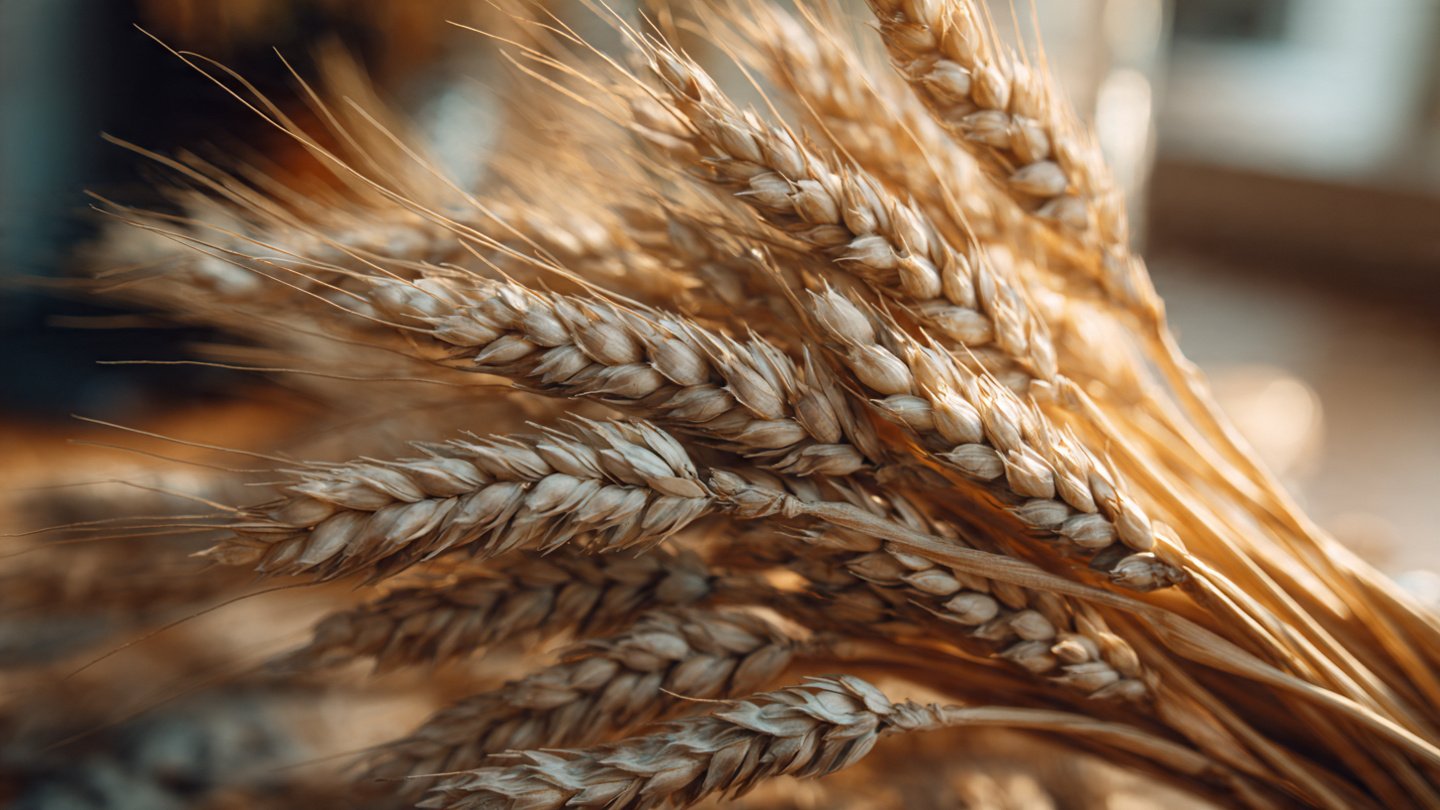
Barley is a versatile grain that has been cultivated for thousands of years. Not only is it nutrient-rich and flavorful, but it also serves as a hearty addition to winter soups. Whether you’re interested in sustainability, saving on grocery bills, or simply enjoy the satisfaction of growing your own food, cultivating barley at home can be a rewarding endeavor.
Understanding Barley
Belonging to the grass family, barley comes in two primary types: hulled and pearl. Hulled barley contains the bran and germ, making it more nutritious, while pearl barley has been polished to remove these components, resulting in a quicker cooking time. Both types can be used in soups, but hulled barley is typically more flavorful and fibrous.
Growing Conditions
Before planting barley, it’s essential to understand the conditions necessary for its growth:
- Climate: Barley grows best in cool climates. It can tolerate frost, which makes it suitable for spring or fall planting, depending on your region.
- Soil: A well-draining soil rich in organic matter is ideal. Aim for a pH level between 6.0 and 7.0.
- Sunlight: Barley requires full sun, so choose a location that receives at least six hours of direct sunlight daily.
Steps to Grow Barley
1. Selecting the Right Variety
Choose the barley variety that best suits your growing season. Look for local seed options or organic barley seeds online. Make sure to consider whether you want hulled or pearl barley based on your cooking needs.
2. Preparing the Soil
Start preparing the soil a couple of weeks before planting:
- Clear the Area: Remove any weeds or debris from your chosen planting area.
- Test the Soil: Conduct a soil test to check pH and nutrient levels. Amend the soil as needed.
- Loosen the Soil: Using a rake or tiller, loosen the soil to a depth of about 12 inches and mix in organic compost to ensure nutrient availability.
3. Planting Barley
The best time to plant barley is usually in early spring or late summer. Follow these steps for planting:
- Sowing Seeds: Plant the seeds about 1 to 2 inches deep, spacing them 6 to 12 inches apart. If you’re planting in rows, keep rows about 12 inches apart.
- Watering: Water gently after planting to ensure good seed-to-soil contact. Keep the soil consistently moist but not waterlogged.
4. Maintaining the Crop
Once your barley is planted, proper maintenance is critical:
- Watering: Continue to water regularly, especially during dry spells. Barley requires about one inch of water per week.
- Weed Control: Keep the area weed-free by cultivating manually or using mulch to prevent weed growth.
- Pest Management: Monitor for pests and diseases, using organic methods or insecticidal soaps to protect your barley if necessary.
5. Harvesting Barley
Your barley will typically be ready for harvest in 90 to 120 days, depending on the variety. Signs that it’s time to harvest include:
- The grains are firm and hard.
- The heads have turned golden brown.
To harvest, cut the stalks with a sickle or scythe and allow them to dry in bundles for a few days before threshing — separating the grains from the chaff.
Preparing Barley for Soups
Once you’ve harvested your barley, it’s time to prepare it for delicious winter soups:
1. Cleaning the Barley
If you’ve harvested hulled barley, rinse it under cold water thoroughly to remove any dirt or debris.
2. Cooking Barley
To cook barley:
- Boil two cups of water for every cup of barley.
- Add the rinsed barley to the boiling water.
- Reduce heat and simmer for about 40-50 minutes for hulled barley and 25-30 minutes for pearl barley.
- Drain excess water if necessary and set aside.
3. Incorporating into Soups
Barley adds texture and nutrition to soups. Here’s a simple recipe to get you started:
Hearty Barley Vegetable Soup
Ingredients:
- 1 cup cooked barley
- 1 onion, diced
- 2 carrots, sliced
- 2 celery stalks, diced
- 3 garlic cloves, minced
- 6 cups vegetable broth
- 1 can diced tomatoes
- 2 cups of leafy greens (spinach or kale)
- Salt and pepper to taste
Instructions:
- In a large pot, sauté the onion, carrots, celery, and garlic until soft.
- Add the broth and diced tomatoes, then bring to a boil.
- Stir in the cooked barley and greens, letting them simmer for another 10 minutes.
- Season with salt and pepper to taste, then serve warm.
Conclusion
Growing your own barley not only provides you with a fresh ingredient for hearty winter soups but also connects you to the agricultural process. With a little patience and the right conditions, you can cultivate this remarkable grain at home. In addition to its many health benefits, barley helps to enrich your soups, making them more satisfying and nutritious. So roll up your sleeves, and get started on your barley-growing journey for delicious homemade soups that warm the soul.
FAQs
1. How much barley can I expect to harvest from one plant?
On average, one barley plant can yield around 1/2 ounce (or 14 grams) of grain, depending on its growing conditions.
2. Can I grow barley in containers?
Yes, barley can be grown in containers, as long as they are deep enough to accommodate the root system. Ensure that the container has good drainage.
3. How should I store harvested barley?
Store your harvested barley in a cool, dry place in an airtight container to keep it fresh for longer. It can last for several months under proper conditions.
4. Is barley gluten-free?
No, barley contains gluten, so it is not suitable for individuals on a gluten-free diet.
5. When is the best time to plant barley?
The optimal planting time is in early spring or late summer, depending on your local climate. Barley thrives in cooler temperatures.