Cultivating Perfect Autumn Kale: Key Steps for Success
As autumn rolls in, gardens transform into a vibrant tapestry of colors, scents, and sounds. Amongst the bounty of fall produce, kale stands out as a nutritional powerhouse and a seasonal delight. This leafy green is renowned for its resilience and versatility, making it an ideal choice for autumn cultivation. Here are the key steps to help you grow perfect autumn kale.
Understanding Kale’s Characteristics
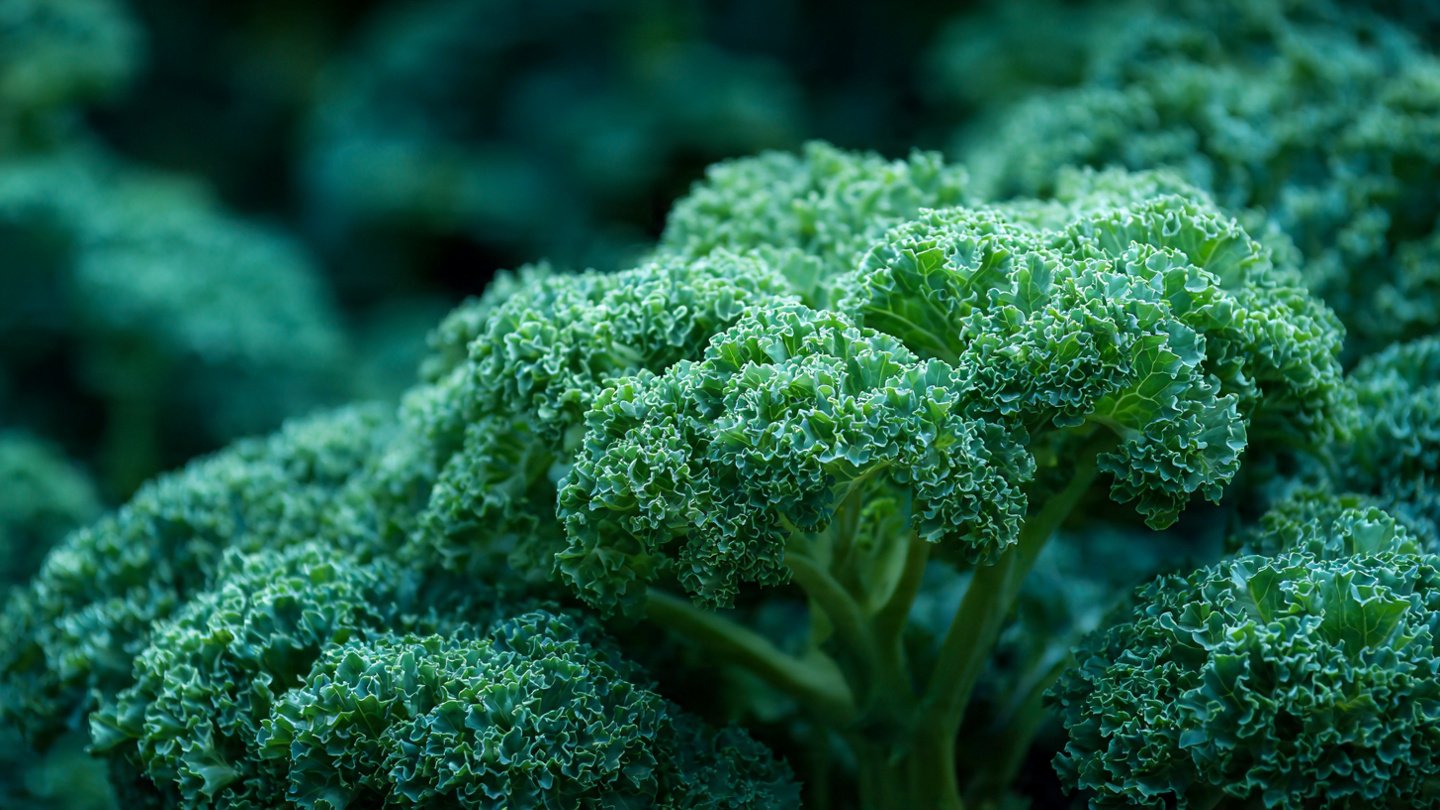
Before diving into cultivation, it’s essential to understand the characteristics of kale. Kale, a member of the Brassica family, thrives in cooler weather. The crisp fall temperatures often enhance its flavor, making it sweeter than in the warmer months. There are various kale types, including curly, Lacinato (also known as Dinosaur kale), and ornamental varieties, each with unique textures and tastes.
Step 1: Choosing the Right Variety
Choosing the right kale variety is vital for a successful autumn harvest. Popular varieties for fall planting include:
- Winterbor: This variety features tightly curled leaves and is frost-resistant.
- Lacinato: Known for its deep green leaves and sweet flavor, Lacinato is perfect for a variety of dishes.
- Red Russian: With tender, ruffled leaves and a slightly sweet taste, this variety adds color to your garden.
Consider your climate and the specific flavors you desire when selecting your kale variety.
Step 2: Preparing the Soil
Healthy soil is the foundation of any successful garden. Kale prefers well-draining soil rich in organic matter. Follow these steps to prepare your soil:
-
Testing the Soil: Use a soil test kit to determine pH levels and nutrient content. Kale thrives in slightly acidic to neutral soil (pH 6.0-7.5).
-
Tilling and Amending: Clear any debris from the garden bed. Till the soil to a depth of at least 12 inches and mix in organic compost or well-rotted manure to provide nutrients and improve soil structure.
-
Fertilization: Adding a balanced fertilizer (high in nitrogen) can promote lush leaf growth. Follow package instructions for application rates.
Step 3: Planting Kale
Timing is crucial when planting kale in the autumn. In most regions, early August to early September is ideal for sowing seeds. Here’s how to plant:
-
Sowing Seeds: Plant seeds about ¼ to ½ inch deep, spacing them 12 to 18 inches apart in rows that are 2 to 3 feet apart. If starting indoors, transplant seedlings outdoors when they are around 4 inches tall.
-
Transplanting: If starting seedlings indoors, transplant them on a cloudy day or in the late afternoon to minimize transplant shock.
-
Watering: After planting, water the seeds thoroughly to ensure good germination. Regular watering (about 1 inch per week) is crucial, especially during dry spells.
Step 4: Caring for Your Kale
Once planted, providing proper care is vital for healthy growth:
-
Mulching: Apply a layer of organic mulch around the plants to retain moisture, suppress weeds, and regulate soil temperature.
-
Watering: Consistent moisture is essential. Water deeply rather than frequently to encourage deep root growth.
-
Monitoring Pests and Diseases: Keep an eye out for common pests such as aphids and cabbage worms. Use organic pest control methods, like neem oil or insecticidal soap, if necessary. Rotate planting locations yearly to minimize disease buildup in the soil.
-
Fertilizing: Side-dress your plants with additional compost or a nitrogen-rich fertilizer mid-season, especially if growth appears slow.
Step 5: Harvesting Kale
Harvesting kale at the right time ensures the best flavor and texture.
-
Timing: Kale can be harvested once the leaves are 6 to 8 inches long. The best time to harvest is during cooler temperatures, as the leaves tend to be sweetest then.
-
Method: Use scissors or garden shears to snip off the outer leaves, allowing inner leaves to continue growing. This encourages further leaf production.
-
Continuous Harvest: Kale is a cut-and-come-again crop, meaning you can continue to harvest from the same plant over time, provided you leave a few leaves intact for growth.
Step 6: Dealing with Cold Weather
Kale is remarkably frost-tolerant, but extreme cold can damage its leaves. Here are ways to protect your kale in colder temperatures:
-
Row Covers: Use lightweight row covers to provide insulation while allowing light and moisture to reach the plants.
-
Mulching: A thicker layer of mulch can protect the root systems from freezing temperatures.
-
Hoop Houses: For gardeners in particularly cold regions, consider building a hoop house over your kale to create a greenhouse-like environment that prolongs the growing season.
Step 7: Maximizing Flavor Post-Frost
One of the unique aspects of kale is that it can be harvested after the first frost. The cold snap alters the chemical composition of the leaves, making them sweeter.
-
Waiting for Frost: If your climate permits, wait until after the first frost to harvest your kale, as it will enhance its flavor.
-
Storage: Freshly harvested kale can be stored in the refrigerator for up to a week. Wash and dry the leaves before storing in a plastic bag, removing as much air as possible.
Step 8: Succession Planting
To extend your kale harvest, consider succession planting.
-
Timing: After harvesting a batch of leaves, replant seeds or transplant seedlings in the same space to ensure a continuous supply of kale throughout the autumn season.
-
Diversity: Mixing different varieties planted at different times can also enhance your harvest and provide a variety of flavors and textures for culinary use.
Step 9: Cooking and Using Kale
Once you’ve harvested your perfect autumn kale, it’s time to enjoy its benefits.
-
Nutritional Value: Kale is rich in vitamins A, C, and K, along with antioxidants and fiber. Incorporating it into your diet can boost your health.
-
Preparation: Kale can be enjoyed in many forms, from raw salads to sautéed dishes. Massaging the leaves with a little olive oil can help make them more tender and palatable.
-
Preservation: If you find yourself with an abundance of kale, consider freezing or dehydrating it for later use. Blanch leaves before freezing to preserve their color and nutrients.
Conclusion
Growing perfect autumn kale is a rewarding endeavor that requires thoughtful planning and care. By understanding its needs, providing the right conditions, and harvesting at the optimal time, you’ll enjoy a bountiful supply of this nutritious vegetable well into the colder months. Whether you’re tossing it into salads, blending it into smoothies, or incorporating it into hearty soups, the versatility of kale ensures it’ll be a cherished staple in your kitchen. Happy gardening!