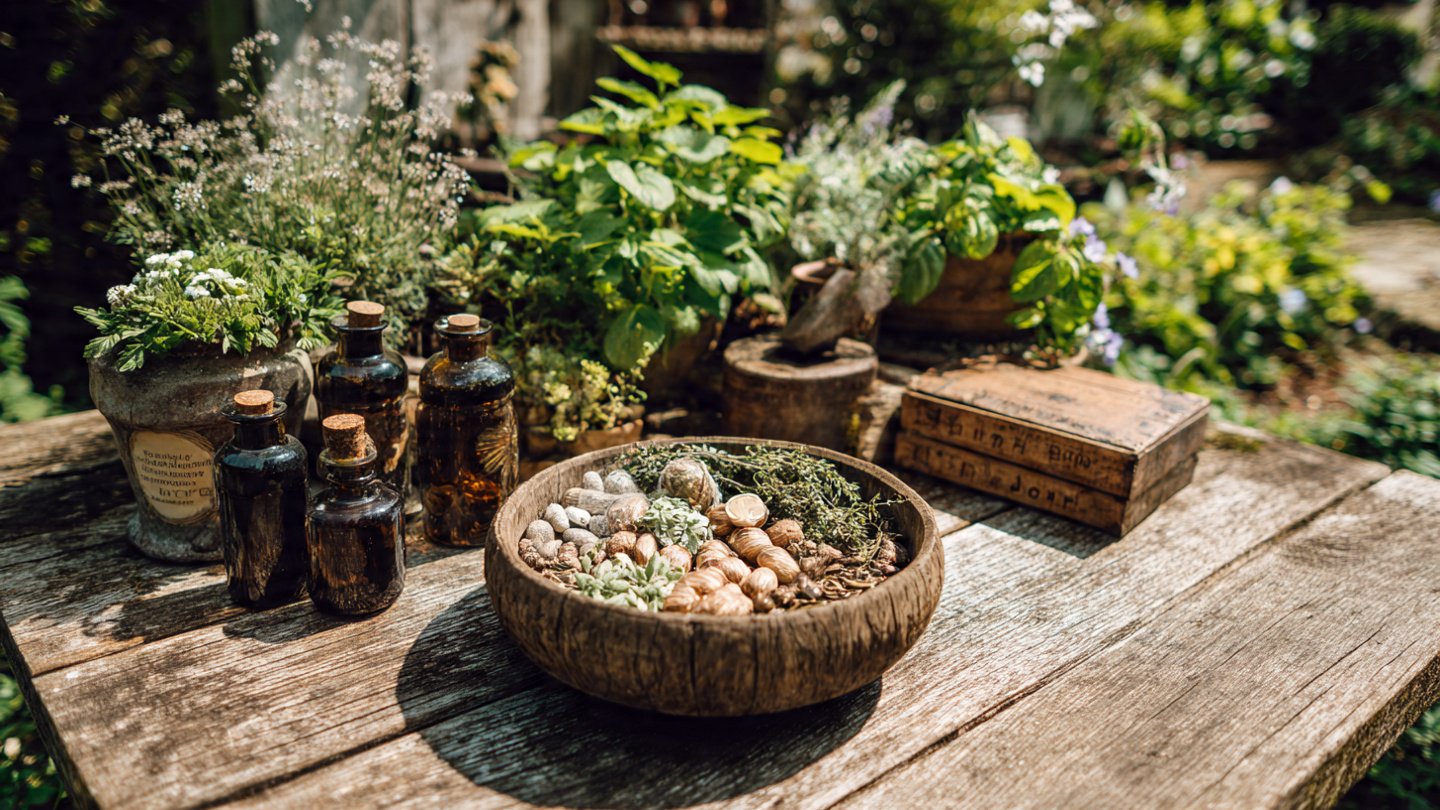
Creating your own herbal apothecary garden can be immensely rewarding, providing you with a sustainable source of healing herbs and an enriching gardening experience. Whether you have a sprawling backyard or a small balcony, you can cultivate your own herbal remedies. This article will guide you through the essential steps needed to create your herbal apothecary garden effortlessly.
Understanding Herbal Apothecary Gardens
An herbal apothecary garden is a collection of plants primarily grown for medicinal purposes. These might include herbs used in teas, tinctures, oils, salves, and other natural remedies. Such a garden not only offers a practical solution for wellness but also connects you with nature.
Step 1: Choose Your Location
The first step in creating your herbal apothecary garden is selecting the right location. Look for an area that has:
- Good sunlight: Most herbs require at least 6–8 hours of sunlight each day.
- Access to water: Ensure your location can be easily watered.
- Well-drained soil: Herbs do not like “wet feet,” so choose a place that does not hold water.
Step 2: Select Your Herbs
Choosing the right herbs is crucial for your apothecary garden. Here are some popular options to consider:
- Basil: Excellent for culinary dishes and has anti-inflammatory properties.
- Chamomile: Known for its calming effects, perfect for tea.
- Mint: Great for digestion and breath freshening.
- Lavender: Helps with relaxation and sleep.
- Echinacea: Boosts the immune system and combats colds.
- Thyme: Antibacterial properties and used in respiratory health.
Start with a few herbs that you use often and gradually expand your garden as you become more comfortable.
Step 3: Prepare the Soil
Healthy soil is paramount for a thriving herbal garden. Here’s how to prepare it:
- Test the soil: A pH test can help you understand the soil’s acidity and nutrient levels.
- Add organic matter: Incorporate compost or well-rotted manure to enhance soil fertility.
- Loosen the soil: This improves drainage and root penetration.
Step 4: Planting Your Herbs
Once your soil is ready, it’s time to plant:
- Spacing: Consider the mature size of each herb and ensure you plant them accordingly.
- Depth: Generally, plant herbs at a depth equal to their size in the pot they came in.
- Care: Water them gently after planting to reduce transplant shock.
Step 5: Caring for Your Garden
Maintenance is key to a healthy herbal garden:
- Watering: Water the garden deeply but less frequently to encourage deep root growth.
- Pruning: Regularly prune your plants to promote bushy growth and prevent flowering (unless that’s your goal).
- Weed control: Keep your garden free from weeds that can compete with your herbs for nutrients.
- Pest management: Encourage beneficial insects and naturally manage pests using organic solutions.
Step 6: Harvesting Your Herbs
Harvesting is one of the most rewarding parts of gardening:
- Timing: Harvest in the morning after the dew has dried for maximum potency.
- Method: Use clean, sharp scissors to snip off the stems, leaving enough for the plant to regrow.
- Storage: Dry herbs by hanging them upside down in a dark, dry place, or use a dehydrator.
Step 7: Creating Remedies
Once you’ve harvested your herbs, you can start creating your remedies. Here are some basic ways to use your herbs:
- Teas: Steep dried herbs in boiling water for health benefits.
- Tinctures: Soak herbs in alcohol to extract medicinal properties.
- Oils: Infuse herbs into carrier oils for topical application.
- Salves: Combine oils with beeswax for a healing balm.
Conclusion
Creating your own herbal apothecary garden is a fulfilling and empowering experience. Not only do you benefit from fresh, organic herbs, but you also gain the ability to craft natural remedies for yourself and your family. Start small, experiment with different herbs, and allow your garden to grow with you. The joy of nurturing plants and the satisfaction of using them for wellness is truly unparalleled. Remember, gardening is a journey, and each season offers lessons and rewards. Happy gardening!
FAQs
What herbs should I start with for beginners?
It’s best to start with herbs that are easy to grow and commonly used, such as basil, peppermint, and chamomile.
Do I need a lot of space to create an herbal garden?
No, you can create a successful herbal garden in small spaces, such as containers on a balcony or windowsill.
How often should I water my herbs?
Water your herbs deeply but infrequently, depending on the weather conditions. Always check the soil moisture before watering.
Can I grow herbs indoors?
Yes! Many herbs thrive indoors if provided with adequate sunlight, usually from a south-facing window.
How do I know when to harvest my herbs?
Harvest herbs when they are healthy and full; generally in the morning after the dew has dried, but before flowering is ideal for the best flavor and potency.
Are there any herbs that should not be grown together?
Yes, some herbs can inhibit each other’s growth. For example, basil and rosemary do not grow well together. Research companion planting to optimize your garden’s health.