Introduction
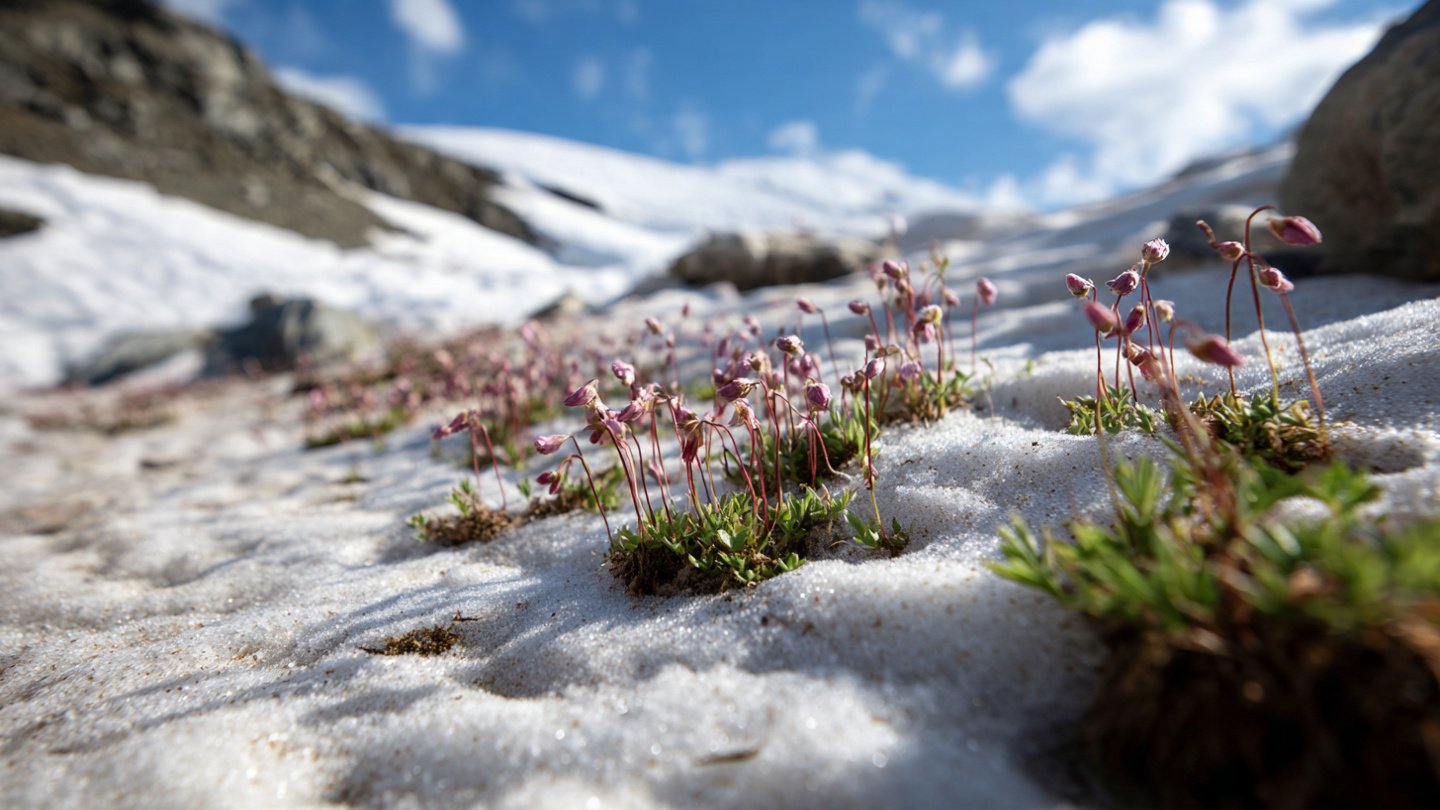
Alpine seeds are extraordinary survivors, thriving in some of the planet’s most unforgiving environments. Found in high mountain regions, these seeds face extreme cold, intense winds, and limited soil nutrients. Yet, despite these formidable challenges, alpine flora continues to flourish. This article explores how alpine seeds manage to grow and reproduce in frozen soil conditions.
Understanding Alpine Environments
Alpine environments are characterized by their high elevation, where temperatures can plummet and snow covers the ground for much of the year. These ecosystems experience unique climatic conditions that present multiple challenges for plant life.
1. Low Temperatures: In alpine zones, temperatures can remain below freezing even during summer months. The extreme cold not only affects seed germination but also the entire growth cycle.
2. Limited Nutrients: Frozen soil often lacks accessible nutrients essential for plant growth. Nutrient cycling is slow, making it challenging for plants to acquire the necessary resources for development.
3. High Winds: Strong winds at high altitudes can desiccate plants and impair their ability to photosynthesize successfully.
4. Short Growing Season: The period during which seeds can germinate and plants can grow is often very limited. Many alpine regions only offer a few weeks of favorable conditions.
Adaptations of Alpine Seeds
To survive and thrive in these harsh conditions, alpine seeds have developed a variety of remarkable adaptations:
1. Seed Dormancy: Many alpine seeds are capable of entering a state of dormancy. This adaptation allows them to wait for favorable conditions to germinate. Cold stratification, where seeds imbibe water and undergo a cold period, is often required to break dormancy.
2. Small Seed Size: Many alpine plants produce small seeds, which can easily fit into crevices in rocks and soil. This trait allows seeds to take advantage of any available moisture and nutrients that might be present in small amounts.
3. Deep Roots: The roots of alpine plants often grow deep into the ground, allowing them to access moisture and nutrients that are unavailable to more superficial roots.
4. Fast Growth Rate: Once germination occurs, many alpine plants exhibit rapid growth. They take advantage of the brief growing season to develop quickly before the onset of harsh conditions.
Microhabitats and Soil Interaction
Alpine seeds often benefit from microhabitats that provide slightly more favorable conditions than the surrounding environment:
1. Rock Crevices: Seeds that settle in rock crevices can find protection from wind and may benefit from slightly warmer temperatures and retained moisture.
2. Snow Cover: The insulating layer of snow can protect seeds from extreme temperature fluctuations, allowing them to remain viable under the surface.
3. Soil Composition: Alpine soils may contain a unique mineral composition that supports the growth of specific plants. Some alpine species form symbiotic relationships with fungi, aiding nutrient uptake from the soil.
Ecological Significance of Alpine Seeds
The resilience of alpine seeds plays a vital role in their ecosystems. They contribute to:
1. Biodiversity: Alpine regions host a unique array of plant species. The survival and reproduction of alpine seeds are essential for maintaining biodiversity and supporting a range of animal species that depend on these plants for food and habitat.
2. Soil Stability: The root systems of alpine plants help prevent soil erosion in steep areas, maintaining the integrity of their fragile ecosystems.
3. Climate Regulation: Alpine vegetation plays a role in regulating local climates by influencing water runoff and maintaining moisture levels in the environment.
Challenges and Future of Alpine Seeds
Despite their many adaptations, alpine seeds face increasing challenges due to climate change. Rising temperatures, changing precipitation patterns, and increased human activity are disrupting their natural habitats.
1. Habitat Loss: As temperatures rise, alpine regions may shrink, leaving less suitable habitat for these resilient plants.
2. Competition: Invasive species may encroach upon alpine habitats, competing with native seeds for limited resources.
3. Disruption of Life Cycles: Changes in temperature and snow patterns can disrupt the delicate timing of germination and growth, threatening plant survival.
Conclusion
The ability of alpine seeds to thrive in frozen soil exemplifies nature’s resilience and adaptability. Their specialized strategies, such as seed dormancy, microhabitat utilization, and rapid growth, allow them to overcome the challenges of harsh alpine environments. However, as climate change poses new threats to these unique ecosystems, it is crucial to continue research and conservation efforts to ensure the future of alpine biodiversity and the survival of these remarkable plants.
FAQs
1. How long do alpine seeds remain dormant?
Alpine seeds can remain dormant for several years, depending on environmental conditions and the species. Cold stratification often helps break dormancy.
2. What role do fungi play in the growth of alpine plants?
Fungi form symbiotic relationships with many alpine plants, aiding in nutrient uptake, increasing water retention, and enhancing soil structure.
3. Can alpine plants survive climate change?
While some alpine plants may adapt to changing conditions, many face significant threats from habitat loss and increased competition, jeopardizing their survival.
4. How can alpine biodiversity be conserved?
Conservation efforts include habitat protection, monitoring species health, and establishing reserves to safeguard against climate change impacts.
5. Are there specific alpine plants known for their resilience?
Yes, plants like edelweiss and alpine buttercup are well-known for their hardiness and ability to survive in extreme conditions.