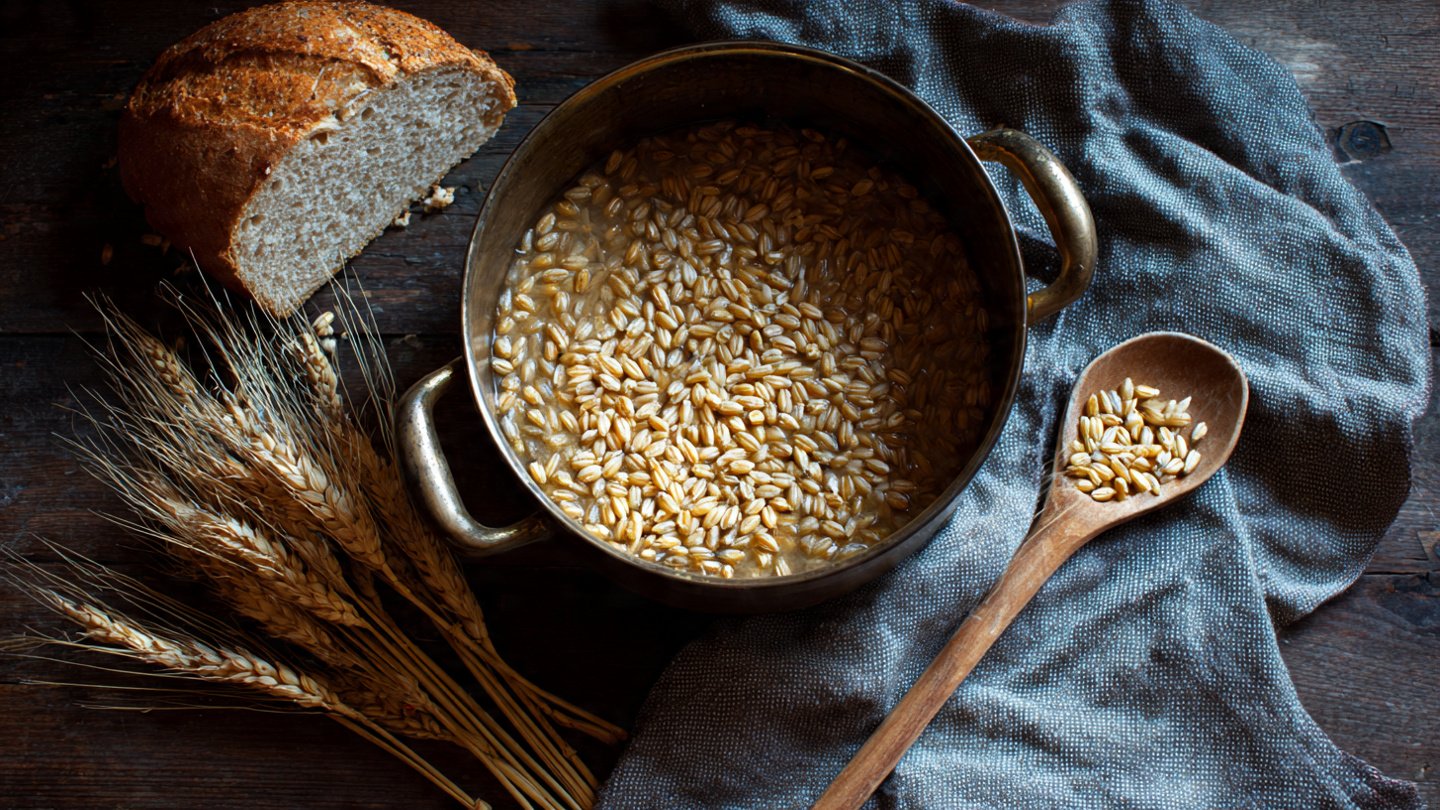
Barley is a versatile grain that not only adds nutrition to your winter soups but also brings a hearty texture to your dish. Growing your own barley allows you to have a fresh supply at hand whenever you need it, particularly during the colder months when hearty soups are especially comforting. In this article, we will cover the basics of growing barley, including preparation, planting, care, and harvest.
Understanding Barley
Barley is an ancient grain that has been cultivated for thousands of years. It is rich in fiber, vitamins, and minerals, making it a healthy addition to your meals. The two main types of barley are hulled barley, which retains the bran and germ, and pearled barley, which has been polished to remove the outer hull and bran. For the purposes of soup-making, pearl barley is commonly used due to its quick cooking time and chewy texture.
Preparing to Grow Barley
Choosing the Right Variety
When selecting barley seeds, consider your climate and the type of barley you wish to grow. Two main varieties include:
- Winter Barley: Suitable for areas with mild winters; it is planted in the fall and harvested in early summer.
- Spring Barley: Ideal for colder climates; it is planted in early spring and harvested in late summer.
Site Selection
Barley thrives in well-drained soil with a pH of 6.0 to 7.5. Choose a location that receives full sunlight for at least six hours each day. Ensure there is good airflow around the plants to prevent fungal diseases.
Soil Preparation
Before planting, prepare the soil by tilling it to a depth of about 12 inches. Remove any rocks, weeds, or debris. You can improve soil quality by mixing in compost or well-rotted manure, which will help provide essential nutrients for your barley plants.
Planting Your Barley
Timing
For winter barley, plant seeds in late September to early October, just before the first frost. For spring barley, plant the seeds as soon as the soil can be worked, typically in April.
Sowing Seeds
Plant barley seeds about 1 to 2 inches deep and 6 to 8 inches apart in rows that are spaced 12 to 18 inches apart. You can also consider broadcasting the seeds and then lightly raking the area to cover them.
Caring for Your Barley
Watering
Barley is relatively drought-tolerant, but it’s important to ensure consistent moisture, especially during the germination period. Water the plants regularly during dry spells but avoid waterlogging as it may cause issues such as root rot.
Fertilization
Barley benefits from balanced fertilizers. A soil test can help you determine which nutrients are lacking. Generally, a nitrogen-phosphorus-potassium (NPK) fertilizer with a balanced ratio (e.g., 10-10-10) is suitable.
Weed Management
Weeds can compete with your barley for nutrients and water. Regularly check for weeds, especially during the early growth stages, and remove them by hand or use mulch to suppress their growth.
Pest and Disease Control
Monitor your plants for signs of pests such as aphids or beetles. Implement natural pest control methods, such as introducing beneficial insects or using neem oil. Fungal diseases can be mitigated by ensuring good airflow around the plants and avoiding excess moisture.
Harvesting Barley
When to Harvest
Barley is ready for harvest when the grains are hard and the hulls turn a golden-brown color. This usually occurs around 60 to 70 days after planting, depending on the variety and growing conditions.
Harvesting Techniques
You can harvest barley by cutting the stalks with a sickle or scythe, or using a small-scale combine if you have access to one. Allow the cut stalks to dry in the field for a few days before threshing to separate the grain from the chaff.
Preparing Barley for Soups
Before cooking barley, rinse it under cold water to remove any dust or debris. Depending on the type, cooking times will vary:
- Hulled Barley: Requires about 1 hour of cooking.
- Pearl Barley: Cooks in approximately 30 minutes.
Conclusion
Growing your own barley is a fulfilling and rewarding endeavor that enhances your cooking, especially for those warming winter soups. With a suitable variety, proper preparation, and diligent care, you can cultivate this nutritious grain in your backyard. Once harvested, you’ll enjoy it in various recipes, bringing wholesome goodness to your family during the cold months ahead. The journey from seed to soup is not just about sustenance; it’s a way to reconnect with nature and appreciate the food on your table.
FAQs
1. How much barley should I plant for a family of four?
For a family of four, a garden plot of approximately 100 square feet can yield enough barley for several hearty soups over the winter. Adjust the planting based on your family’s consumption and desired recipes.
2. Can barley be grown in containers?
Yes, barley can be grown in large containers, provided they have adequate drainage and are deep enough to allow roots to grow. Use high-quality potting soil and ensure the container receives enough sunlight.
3. How do I store harvested barley?
Store dried barley in a cool, dry place in airtight containers. It can last for several months if kept properly. If you have large quantities, consider vacuum sealing for longer storage.
4. Can I grow barley organically?
Absolutely! Growing barley organically is possible using natural fertilizers, pest control, and disease management techniques. Ensure you select organic seed varieties for the best results.