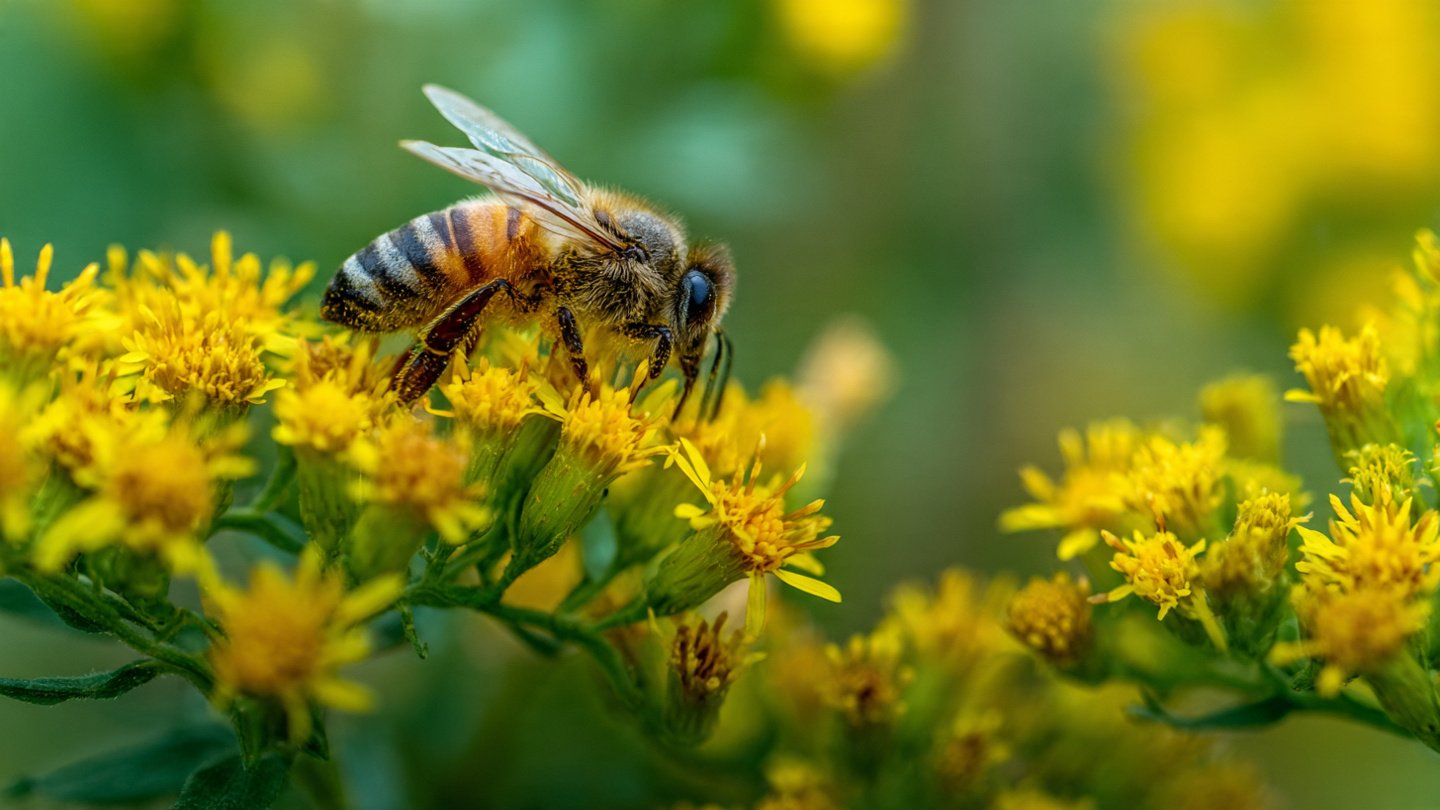
Pollinators such as bees, butterflies, and other insects are vital to the health of our ecosystems and play a crucial role in food production. However, their populations are declining due to habitat loss, pesticide use, and climate change. Creating a thriving pollinator corridor in your neighborhood can significantly contribute to supporting these essential organisms. This article will delve into how you can transform your community into a welcoming space for pollinators, helping them thrive while beautifying your area.
The Importance of Pollinators
Before diving into specific actions to take, it’s crucial to understand why we must protect pollinators. Pollinators are responsible for the reproduction of around 75% of flowering plants, including many crops. This means that they directly impact our food supply and biodiversity. Bees alone contribute an estimated $15 billion to the economy each year through their role in crop production. With their decline, we face not only ecological but also significant economic repercussions.
Understanding What a Pollinator Corridor Is
A pollinator corridor is a network of habitats that provides food and shelter for pollinators. This network can include gardens, parks, roadside verges, and even balconies in urban areas. The primary goal is to create interconnected spaces that allow pollinators to thrive, facilitating their movement between different areas without obstruction.
Steps to Transform Your Neighborhood
1. Create Pollinator-Friendly Gardens
One of the most effective ways to support pollinators is by creating gardens that specifically cater to their needs. Here are some tips:
- Choose Native Plants: Native plants are adapted to the local climate and soil and provide the best habitat for local pollinators. They usually bloom at various times throughout the season, ensuring a continuous food source.
- Diversity is Key: Incorporate a variety of plant species to attract different types of pollinators. Include flowers of various heights, colors, and shapes to appeal to a wider range of species.
- Avoid Pesticides: Avoid using pesticides or herbicides in your garden, as they can harm beneficial insects. Instead, opt for organic gardening methods to control pests.
2. Build a Community of Support
You don’t have to take on this project alone. Engaging your neighbors and building a community of support is essential for the success of your pollinator corridor:
- Organize Workshops: Host workshops to educate your community about the importance of pollinators and how to create habitats. This could be done in person or virtually.
- Share Resources: Create a shared resource list of native plants, gardening tips, or even sources for organic pest control.
- Form a Club: Establish a gardening club focused on pollinator conservation. Such a collective effort can lead to larger projects, like community gardens or park improvements.
3. Designate Pollinator-Friendly Spaces
Work with local authorities or neighborhood associations to identify public spaces that can be transformed into pollinator habitats:
- Parks: Suggest the planting of native species and reducing lawn areas in local parks to allow for more diverse planting.
- Roadside Plantings: Advocate for the planting of wildflowers along roadside verges, which can provide critical habitats while also beautifying the area.
- Community Spaces: Transform vacant lots or underutilized community areas into colorful, pollinator-friendly gardens.
4. Provide Nesting Sites
In addition to flowers, pollinators need nesting sites to reproduce:
- Leave Some Areas Untouched: Allow a portion of your garden to remain wild, as many bees nest in the ground or in dead wood.
- Create Bee Hotels: Build or buy bee hotels to provide nesting spaces for solitary bees. These structures can be made from bamboo stems, hollowed-out logs, or other natural materials.
- Encourage Natural Features: If you have a compost pile or brush pile, keep it as it can serve as a habitat for various pollinators.
5. Monitor and Maintain Your Pollinator Corridor
Creating a thriving pollinator corridor requires ongoing care and monitoring. Here are some steps to ensure its health:
- Regular Maintenance: Commit to regular maintenance of your gardens and public spaces to ensure they remain healthy and vibrant. This includes watering, weeding, and replacing any dead plants.
- Keep Track of Residents: Monitor the types of pollinators that visit your area. This can be as simple as keeping a log of the species you observe and noting any changes over time.
- Adapt Strategies: Be open to adapting your strategies based on what works and what doesn’t. Continuous learning is key in understanding the best practices for caring for pollinators.
Conclusion
Transforming your neighborhood into a thriving pollinator corridor is not only beneficial for these vital creatures but also enhances the beauty and ecological health of your community. By taking simple actions like planting native flora, building community support, and providing nesting sites, you can create a welcoming habitat for pollinators. The collective efforts of individuals within a neighborhood can yield significant positive outcomes for pollinator populations, contributing to biodiversity and a healthier environment.
FAQs
1. What type of plants are best for pollinators?
Native plants that bloom at different times throughout the growing season are typically best for pollinators. Flowers like coneflowers, bee balm, and milkweed are excellent choices.
2. How do I know if my garden is helping pollinators?
Observe the variety and number of pollinators visiting your garden. If you notice bees, butterflies, and other insects frequenting your plants, it’s a good sign that you are creating a supportive habitat.
3. Can I create a pollinator garden in a small space?
Absolutely! Pollinator gardens can thrive in small spaces such as window boxes, balconies, or community plots. Selecting plants that do well in confined spaces and arranging them thoughtfully can create an attractive pollinator-friendly area.
4. How can I prevent pests in my pollinator garden?
Implement organic gardening practices like introducing beneficial insects (e.g., ladybugs), using barriers, and planting companion plants to deter pests naturally.