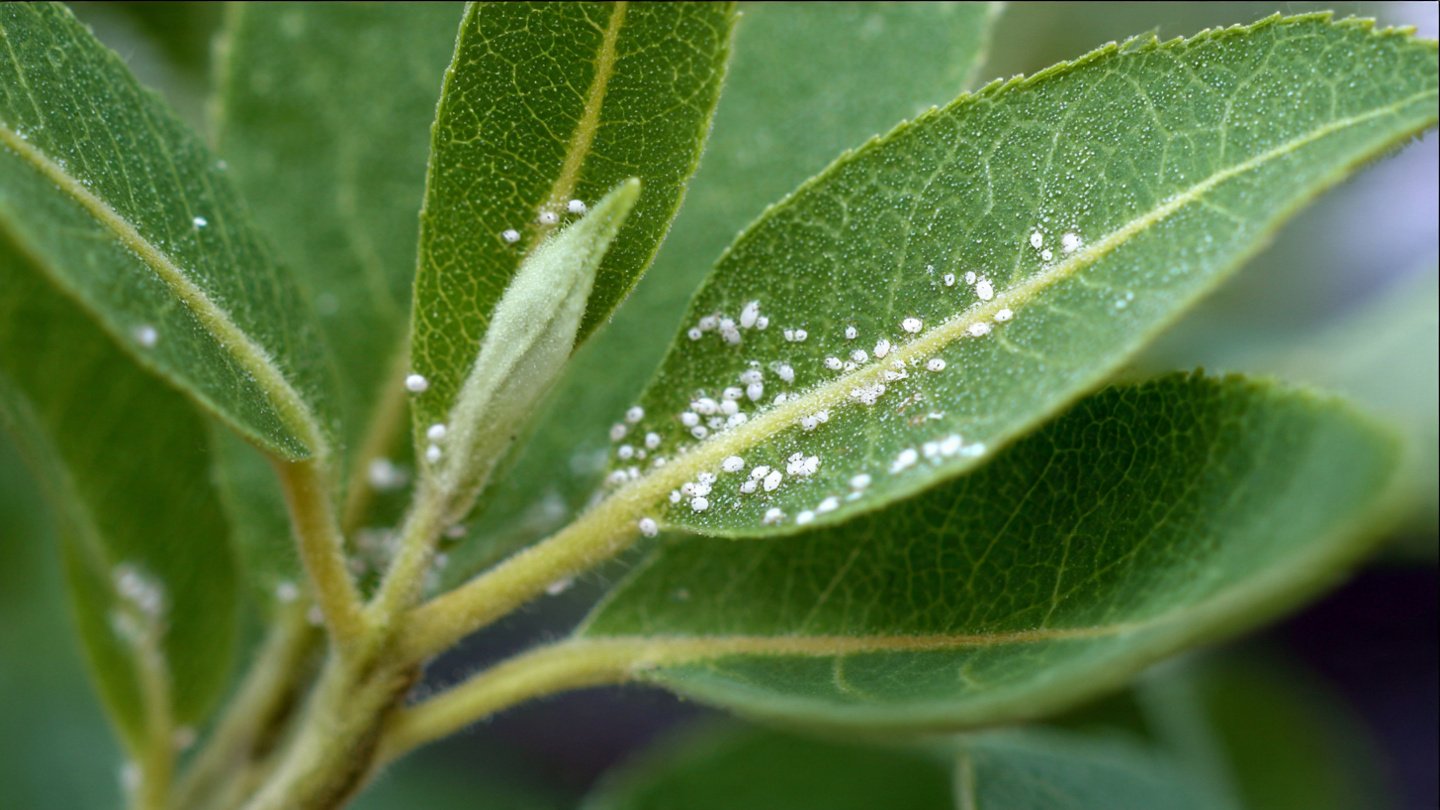
Spider mites are tiny arachnids that can wreak havoc on a wide variety of plants, from houseplants to garden vegetables. One of the most common signs of a spider mite infestation is the presence of tiny white spots on the leaves of affected plants. This article will explore how to identify spider mites through these indicators, the lifecycle of the mites, and effective management strategies to combat their presence.
Understanding Spider Mites
Spider mites belong to the Tetranychidae family and are tiny—often less than 1 millimeter in size. Despite their small stature, they are highly destructive pests that can colonize leaves, stems, and even fruits. There are various species of spider mites, with the two-spotted spider mite being one of the most common. They thrive in warm, dry conditions, making indoor plants particularly vulnerable during the hot months.
Signs of Spider Mite Infestation
While tiny white spots are a primary indicator, there are several other signs to look for:
- White Spots: The most prominent sign, these marks are often the result of the mites feeding on the leaf tissues. They appear as small, pale flecks, initially difficult to notice without close inspection.
- Webbing: As spider mites proliferate, they produce fine webs—often most visible on the undersides of leaves. These webs can resemble cotton and are particularly evident in heavier infestations.
- Leaf Discoloration: Infected leaves may turn yellow or bronzed, especially if the infestation is severe. The edges of leaves may also curl or become crispy.
- Premature Leaf Drop: If left untreated, infestation may lead to leaf drop as the plant becomes too weak to sustain itself.
Identifying Tiny White Spots
The appearance of tiny white spots on leaves is due to spider mites puncturing the leaf tissue to feed on plant sap. Here’s how to identify them effectively:
- Magnification: Because spider mites are very small, it’s often helpful to use a magnifying glass to observe the leaves closely. The tiny spots on the upper side of the leaves can often go unnoticed without proper inspection.
- Location and Orientation: Pay particular attention to the underside of leaves and the leaf stems where spider mites tend to congregate. This area may have a higher concentration of webs and spots.
- Comparison with Healthy Leaves: Compare the affected leaves with healthy ones from the same plant. This helps in discerning the extent of damage and whether the white spots are indeed a sign of spider mite presence.
The Lifecycle of Spider Mites
Understanding the lifecycle of spider mites can significantly improve your ability to manage them. Spider mites undergo several developmental stages:
- Egg: Females lay tiny, round eggs, usually on the undersides of leaves. Eggs can take between 3 to 10 days to hatch into larvae, depending on environmental conditions.
- Larvae: Upon hatching, larvae are six-legged and begin feeding on the plant’s sap immediately.
- Nymph: After molting, larvae become nymphs, which have eight legs. This stage also involves further feeding and is crucial for population growth.
- Adult: Adults can live for several weeks to months, laying hundreds of eggs during their lifetime.
The entire lifecycle can be completed in as little as one week under favorable conditions, leading to rapid population growth and extensive damage to plants if not dealt with promptly.
Management Strategies
Once you’ve confirmed the presence of spider mites by observing tiny white spots on your plants, it’s crucial to act swiftly. Here are several effective strategies:
- Isolation: If possible, isolate the affected plant to prevent the mites from spreading to neighboring plants.
- Water Spray: A strong jet of water can help wash off the mites and their eggs from the leaves. This is often the first line of defense.
- Pesticides: If the infestation is severe, consider using miticides or insecticidal soaps. Make sure to read product labels and use them safely, ensuring they are suitable for the specific plant type.
- Natural Predators: Introduce beneficial insects like ladybugs and predatory mites, which can help control spider mite populations naturally.
- Cultural Practices: Maintain optimal moisture and humidity levels to deter spider mites. Regularly check plants, especially during hotter months, to catch any infestations early.
Conclusion
Identifying spider mites through the observation of tiny white spots on leaves is an essential skill for any gardener or plant enthusiast. Recognizing the signs of these pests early can save your plants from extensive damage. By employing effective management strategies, such as physical removal, insecticidal treatments, or introducing natural predators, you can keep spider mite infestations at bay. Healthy plants not only add beauty to our surroundings but also contribute to a thriving ecosystem. Your vigilance and proactive care can ensure their well-being and vitality.
FAQs
1. What do spider mites look like?
Spider mites are tiny, measuring less than 1 millimeter. They are typically red, green, or yellow, and they often have small, round bodies with eight legs.
2. Can spider mites affect indoor plants?
Yes, spider mites can infest indoor plants, especially in warm and dry conditions. Regular inspections and maintaining humidity can help mitigate the risk.
3. How can I prevent spider mites in my garden?
Keeping plants healthy through proper watering, providing adequate spacing, and encouraging beneficial insects can help prevent spider mite infestations.
4. What’s the best way to treat spider mites?
Washing plants with water, using insecticidal soaps, or employing miticides are effective treatment methods. For a more natural approach, introducing predatory insects can also help.
5. Are spider mites harmful to humans or pets?
No, spider mites are not harmful to humans or pets. However, they can cause significant damage to your plants if not controlled.