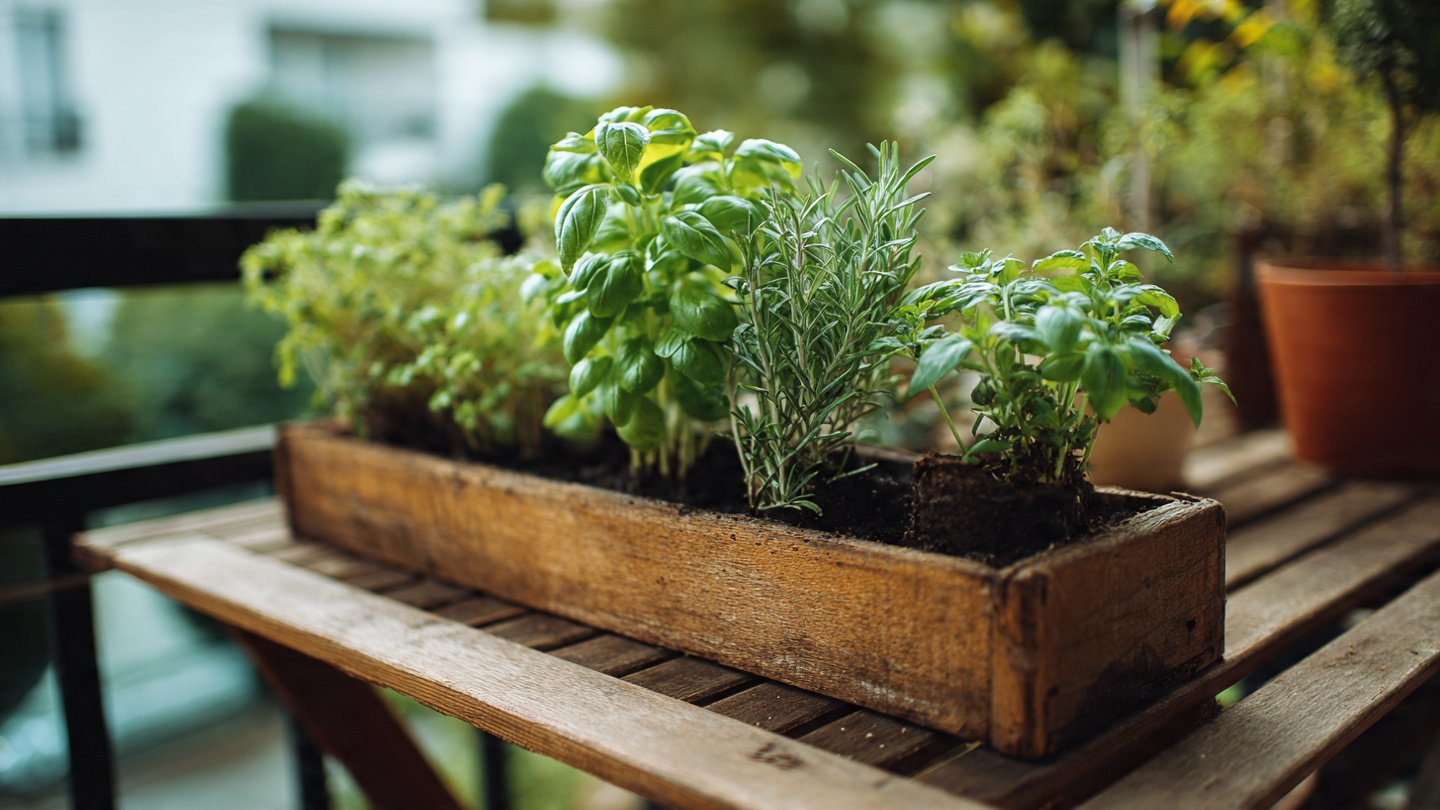
Creating a balcony herb garden is one of the most rewarding hobbies for urban dwellers. With limited space and a busy lifestyle, balcony gardening allows you to grow your herbs close to your kitchen. But what if you could elevate that experience, maximize your yield, and boost the flavor of your home-grown herbs? Enter organic fertilizers.
Organic fertilizers can transform your balcony herb garden through enhanced soil health, improved plant growth, increased nutritional value, and environmental sustainability. In this comprehensive guide, we’ll explore how you can harness the power of organic fertilizers to make your balcony herb garden thrive.
Understanding Organic Fertilizers
What Are Organic Fertilizers?
Organic fertilizers are derived from natural sources, including plant and animal matter. They contain essential nutrients needed for plant growth, such as nitrogen, phosphorus, and potassium, but come without the synthetic chemicals found in conventional fertilizers. Common sources of organic fertilizers include compost, manure, bone meal, fish emulsion, and seaweed extracts.
The Benefits of Organic Fertilizers
- Nutrient-Rich: Organic fertilizers provide a well-rounded nutrient profile, promoting better growth and flavor in herbs.
- Soil Health: They improve soil structure, increase microbial activity, and promote a healthy ecosystem in the soil.
- Environmental Sustainability: Organic fertilizers are more eco-friendly. They contribute to a sustainable gardening practice, reducing pollution and carbon footprints.
- Reduced Chemical Residue: They offer a safer option for edible plants, minimizing the chances of chemical residue on your herbs.
Transforming Your Balcony Herb Garden with Organic Fertilizers
1. Starting with Healthy Soil
Healthy soil is the foundation of a successful herb garden. When growing in containers, the quality of your potting mix may not be as rich as garden soil. Incorporating organic fertilizers into your soil can greatly enhance its nutrient content.
How to Improve Your Soil
- Compost: Mix well-decomposed compost into your potting mix before planting. Compost introduces beneficial microbes that break down nutrients and make them more accessible to plants.
- Worm Castings: These are rich in nutrients and can be added directly to your soil to enhance its fertility.
- Bone and Blood Meal: These organic fertilizers are excellent sources of phosphorus and nitrogen, respectively. Mix a small amount into the potting mix during planting.
2. Choosing the Right Organic Fertilizer
Not all organic fertilizers are created equal; different herbs may require different nutrient profiles. Here are a few options tailored for specific herbs:
- Seaweed Extract: Rich in potassium and micronutrients, it’s great for herbs like basil and cilantro, which thrive on nutrient diversity.
- Fish Emulsion: A good source of nitrogen, perfect for leafy herbs like parsley and mint.
- Compost Tea: A liquid organic fertilizer you can brew, ideal for watering your pots and providing an instant nutrient boost.
3. Timing and Application
Timing is crucial when applying organic fertilizers. Unlike synthetic fertilizers that offer quick fixes, organic fertilizers work more slowly, which can mean less risk of over-fertilizing.
Best Practices for Application
- Pre-Planting: Mix organic fertilizers into the soil or potting mix before planting.
- Regular Feeding: Apply liquid organic fertilizers every few weeks during the growing season. Remember to dilute them according to instructions to prevent root burn.
- Top Dressing: Sprinkle granular organic fertilizers on the surface of the soil and lightly mix them in for slow-release nutrients.
4. Understanding Nutrient Needs of Herbs
Different herbs have unique nutritional needs throughout their growth cycle. Understanding these needs will guide you on when and which organic fertilizers to use.
Nutrient Requirements
- Nitrogen: Essential for lush growth, especially in leafy herbs. Use fish emulsion or blood meal.
- Phosphorus: Important for strong root development. Bone meal is a good source.
- Potassium: Helps with flower and fruit development. Seaweed extracts work wonders here.
5. Observing Plant Health
One of the most significant benefits of using organic fertilizers is learning to observe your plants. Healthy plants are more resilient to pests and diseases, and they are usually more flavorful.
Signs of Nutritional Deficiencies
- Yellowing Leaves: Often a sign of nitrogen deficiency.
- Poor Growth: Indicates either nutrient deficiency or poor soil structure.
- Brittle Leaves: Might denote a potassium deficiency.
Using organic fertilizers makes your plants more robust, allowing you to take note of their needs and adjust your care routines accordingly.
6. Enhancing Flavor and Nutritional Value
Organic fertilizers can improve not only growth but also the flavor and nutritional content of your herbs.
How Does This Work?
Herbs grown with organic fertilizers often develop deeper flavors and aromas compared to those grown with synthetic fertilizers. Nutrients from organic sources encourage a complex chemical makeup in plants, resulting in more flavorful herbs. Moreover, the absence of synthetic chemicals leads to safer, healthier production.
7. Sustainable Gardening Practices
Utilizing organic fertilizers supports sustainable gardening, especially in urban environments where space is limited. By reducing reliance on chemical fertilizers, you’re contributing to a greener planet.
How to Incorporate Sustainability
- Composting: Make your own compost from kitchen scraps. This not only reduces waste but also provides you with nutrient-rich organic fertilizer.
- Rainwater Harvesting: Use rain barrels to collect rainwater for irrigating your garden, minimizing water pollution and waste.
- Biodiversity: Incorporate companion planting by mixing various herbs that can thrive together. This reduces the risk of pests and diseases.
8. Common Challenges and Solutions
While organic fertilizers offer numerous benefits, you may encounter challenges.
Pests and Diseases
- Prevention: Encourage beneficial insects like ladybugs and lacewings by planting flowers like marigolds nearby.
- Organic Pesticides: If pests become an issue, try neem oil or insecticidal soap to manage them.
Soil Quality
- Compaction: Regularly aerate your pots to promote root health. You can also mix in perlite or vermiculite to improve drainage and aeration.
Final Thoughts
Transforming your balcony herb garden with organic fertilizers is not just about improving yield; it’s about fostering a deeper relationship with the plants you grow. Engaging with organic methods leads to better flavors, healthier plants, and a healthier environment.
The process may require some initial effort, but the rewards—fresh, flavorful herbs that elevate your culinary endeavors—are well worth it. So, roll up your sleeves, gather your organic fertilizers, and enjoy the gratifying journey of nurturing your balcony herb garden in harmony with nature.
Embark on this green journey today, and watch your herbs flourish in ways you never thought possible! Happy gardening!