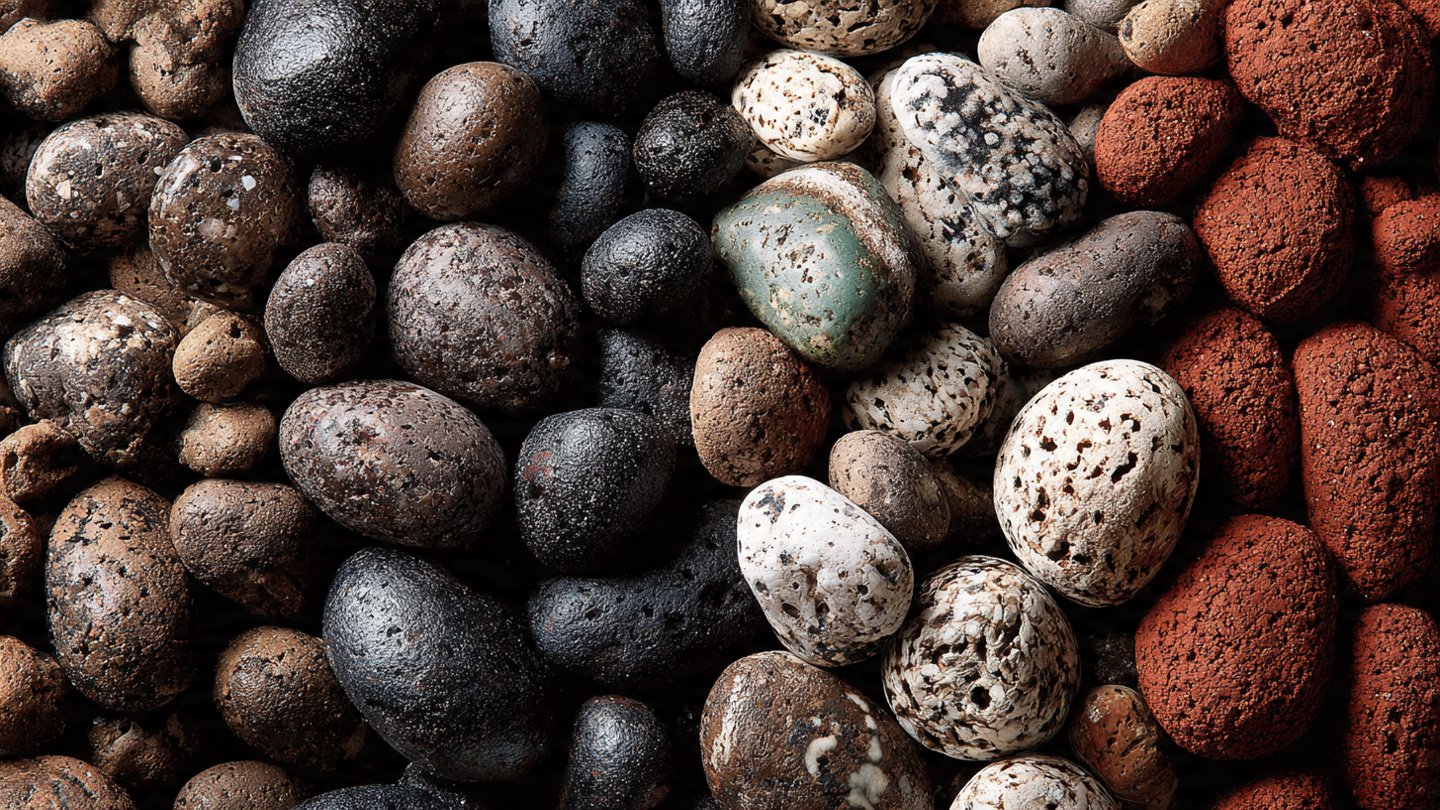
Clay pebbles, also known as leca (lightweight expanded clay aggregate), are becoming increasingly popular among gardeners and hydroponic enthusiasts for their unique drainage properties. These small, round balls are made from natural clay that has been heated and expanded, creating a lightweight and porous material. Their ability to promote excellent drainage and aeration makes them a preferred choice in various applications. This article explores how clay pebbles can transform your drainage experience, enhancing both indoor and outdoor gardening practices.
The Importance of Proper Drainage
Proper drainage is crucial in gardening and landscaping. Excess water can lead to root rot, fungal infections, and various other problems that can jeopardize plant health. Whether in pots, raised beds, or soil, how water moves through and away from your plants can significantly impact their growth and overall health.
Key Properties of Clay Pebbles
Clay pebbles offer several properties that make them ideal for improving drainage:
- Porosity: The porous nature of clay pebbles allows for excellent water retention while still providing space for air circulation. This helps prevent waterlogging while retaining sufficient moisture for plant roots.
- Lightweight: Compared to traditional drainage materials such as gravel or stones, clay pebbles are significantly lighter. This makes them easier to handle and ideal for container gardening.
- pH Neutral: Clay pebbles have a neutral pH, ensuring they won’t alter the soil’s acidity or alkalinity, which can be detrimental to some plants.
- Reusability: These pebbles can be cleaned and reused multiple times, making them a cost-effective and environmentally friendly option.
Applications of Clay Pebbles
1. Container Gardening
Using clay pebbles in container gardening can dramatically improve drainage. By placing a layer of clay pebbles at the bottom of your pots, you create a space that allows excess water to escape while moisture is retained for your plants. This is especially beneficial for plants that prefer drier conditions or are sensitive to overwatering.
2. Hydroponics
Clay pebbles are a favored medium in hydroponic systems, where proper drainage is critical. Their lightweight nature makes them easy to handle, and their porous structure provides excellent aeration for the roots. Additionally, they can be used to create a sub-irrigation system, where water is delivered from below, promoting healthy growth.
3. Aquaponics
In aquaponics, clay pebbles serve as a growing medium for plants while helping to filter and purify the water in fish tanks. Their drainage capabilities prevent water from pooling and ensure that plant roots remain in a healthy, moist environment without the risk of rot.
4. Landscaping
Using clay pebbles in landscaping, particularly in areas with poor drainage, can enhance the aesthetic appeal while also improving soil structure. They can be employed in the creation of pathways, decorative features, or as a mulch that helps retain moisture in garden beds.
Benefits of Using Clay Pebbles
Improved Root Health
The primary benefit of clay pebbles is the promotion of healthy root systems. Their structure allows for consistent aeration, ensuring that roots receive the oxygen necessary for growth. Healthy roots contribute to robust plant systems, allowing them to absorb nutrients more effectively.
Reduced Risk of Pests and Diseases
By preventing overwatering and reducing standing water, clay pebbles can lessen the likelihood of pests and diseases that thrive in damp conditions. This creates a healthier environment for plants, allowing them to flourish without the threat of rot and infestations.
Environmental Sustainability
Clay pebbles are made from natural materials and are environmentally friendly. Their reusability makes them a sustainable choice for gardeners who seek to minimize waste. Furthermore, they help retain moisture, reducing the need for frequent watering and conserving water resources.
Integrating Clay Pebbles Into Your Garden
To effectively integrate clay pebbles into your gardening practices, follow these steps:
- Preparation: Before using clay pebbles, rinse them thoroughly to remove any dust or debris. This will prevent clogs and allow for better water flow.
- Layering: If you’re using them in pots, add a 1-2 inch layer of clay pebbles to the bottom before adding soil. This ensures effective drainage.
- Mixing: For improved aeration, you can mix clay pebbles into your soil. A blend of soil and clay pebbles can create an optimal growing medium for many plants.
- Monitoring: Regularly check the moisture levels in your container or garden. Adjust watering practices as needed, especially if you notice signs of overwatering or drought.
Conclusion
Clay pebbles have revolutionized the way we think about drainage in gardening. Their unique properties enhance drainage, promote healthy root growth, and reduce the risks of plant diseases, making them a crucial component in various gardening methods. Whether you’re venturing into container gardening, hydroponics, or aquaponics, incorporating clay pebbles can improve your plants’ health and yield. Embracing this innovative material not only simplifies your drainage experience but also contributes to more sustainable gardening practices. Ultimately, the benefits of using clay pebbles extend beyond convenience—transforming your gardening lifestyle into a more efficient and productive experience.
FAQs
1. Are clay pebbles reusable?
Yes, clay pebbles can be cleaned and reused multiple times, making them a cost-effective option for gardeners.
2. How do I clean clay pebbles?
Rinse the clay pebbles in water to remove dust, debris, and any built-up organic matter. You can soak them in a diluted bleach solution for deeper cleaning.
3. Can I use clay pebbles for all types of plants?
Clay pebbles are versatile and suitable for many types of plants, especially those that prefer well-drained conditions. However, ensure they meet the specific needs of your plants.
4. Do clay pebbles need to be replaced regularly?
While clay pebbles are durable and can last a long time, they may need to be replaced if they break down or accumulate too much organic matter.
5. Are clay pebbles suitable for outdoor gardening?
Yes, clay pebbles can be used in outdoor gardening to improve drainage in raised garden beds and landscape features.