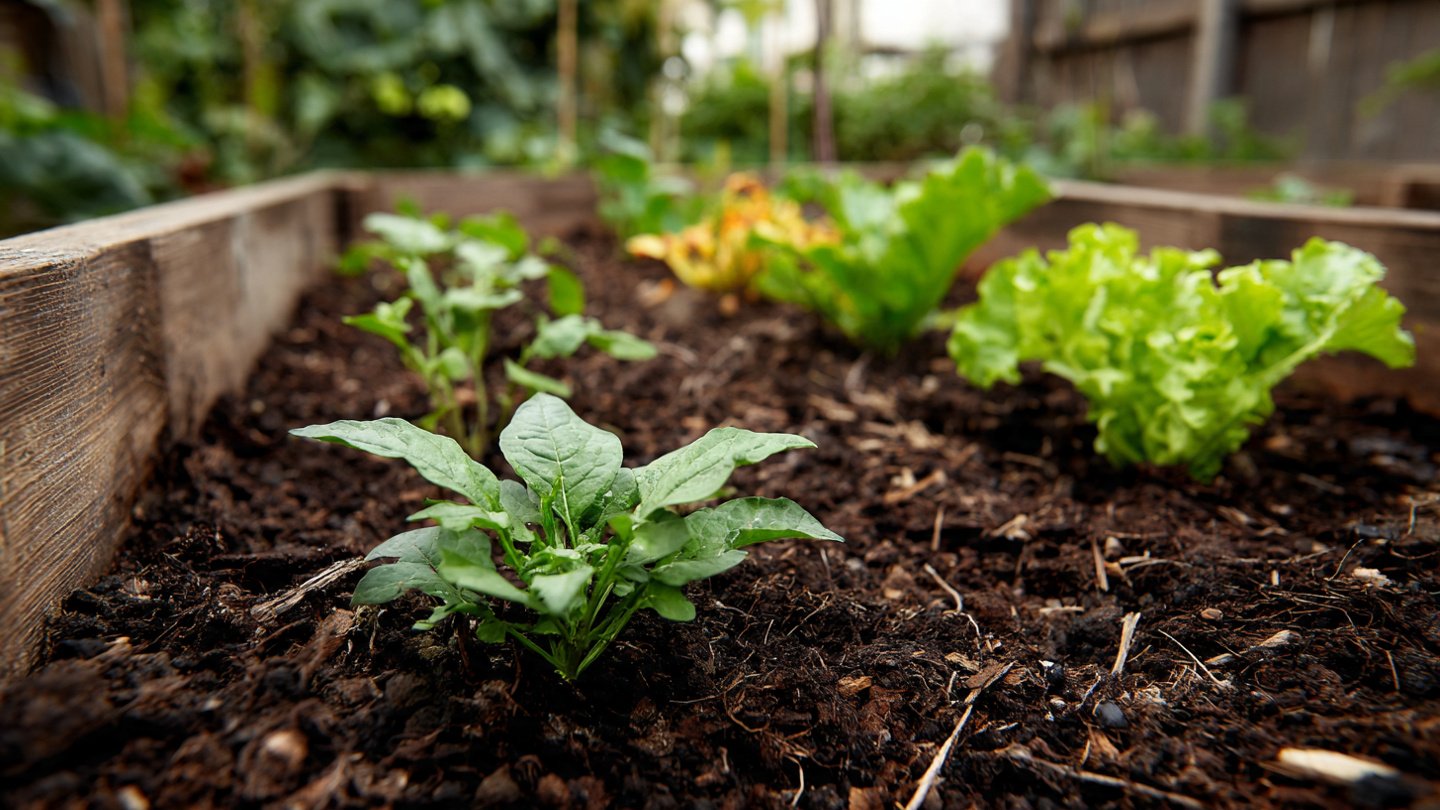
The arrival of spring heralds a time of renewal, growth, and the perfect opportunity to breathe life back into your garden. One of the most effective practices for enriching soil and promoting healthy plant growth is the addition of compost. This organic matter carries numerous benefits that can significantly transform your garden’s landscape and yield. In this article, we’ll explore how adding compost each spring can lead to a flourishing garden ecosystem.
Understanding Compost
At its core, compost is decomposed organic matter, created through the natural breakdown of materials like food scraps, leaves, grass clippings, and other plant materials. Over time, microorganisms break this organic matter down, resulting in a nutrient-rich substance that can greatly enhance the health of your soil.
Why Use Compost?
-
Nutrient Supply: Compost is packed with essential nutrients like nitrogen, phosphorus, potassium, and other micronutrients necessary for plant growth. When mixed into the soil, it feeds plants gradually over time, making nutrients accessible whenever they are needed.
-
Improves Soil Structure: Healthy soil has a structure that supports root development and drainage. Compost improves soil structure, enabling better air exchange and moisture retention. This is particularly beneficial for clay soils, which can become compacted and waterlogged without proper amendment.
-
Encourages Microbial Activity: Healthy soil is alive with beneficial microorganisms and earthworms. Compost encourages this microbial activity, leading to a thriving ecosystem that supports plant life. These microorganisms break down organic matter into forms that plants can easily absorb, fostering stronger growth.
-
Soil Moisture Retention: Compost improves the soil’s ability to retain moisture, reducing the need for frequent watering. This characteristic is especially essential in regions prone to drought, where water conservation is a critical consideration in gardening.
-
Pathogen Resistance: Healthy soils enriched with compost tend to be more resistant to diseases. The microbial diversity introduced through compost can outcompete harmful pathogens, reducing the incidence of plant diseases.
The Benefits of Spring Composting
Timing is Key
Spring is the ideal time to add compost to your garden. As temperatures rise, microbial activity increases, allowing the decomposed organic material to seamlessly integrate into your garden. Additionally, applying compost in spring ensures that it is well-incorporated into the soil before the planting season begins.
Boosting Plant Growth
When you add compost to your garden in spring, you are essentially giving your plants a head start. The nutrients present in compost are released slowly, ensuring that young seedlings and established plants have access to the nourishment they need throughout the growing season. This gradual release prevents nutrient leaching that can occur with synthetic fertilizers, promoting steadier, healthier growth.
Supporting a Biodiverse Garden
Diversity is one of the foundations of a resilient garden. By adding compost each spring, you are not only enriching the soil but also fostering an environment that supports beneficial insects, pollinators, and other wildlife. A healthy garden ecosystem will naturally attract these allies, which can aid in pest control and pollination efforts.
Enhancing the Aesthetic Appeal
A garden enriched with compost tends to look more vibrant and lush. The results of balanced nutrients, improved soil structure, and enhanced microbial life are evident in the form of healthier, more abundant flowers, fruits, and vegetables. A visually appealing garden not only provides personal satisfaction but can also enhance the overall landscape of your home.
How to Apply Compost Effectively
Testing Your Soil
Before adding compost, it’s wise to conduct a soil test. This will reveal the current nutrient levels, pH, and organic matter content. Understanding your soil’s needs will help you determine the right amount of compost to apply and whether to consider any additional amendments.
Choosing Your Compost
Not all compost is created equal. You can opt for commercial compost or make your own at home. Homemade compost allows you to control the materials used, ensuring a diverse mix of organic matter. Make sure the compost is well-aged and fully decomposed for optimum results.
Application Methods
-
Top Dressing: For garden beds, simply spread a layer of compost (about 1-2 inches) on the soil surface. This method allows nutrients to leach into the soil gradually over time.
-
Soil Incorporation: For new planting areas, mix compost into the soil at a depth of 6-12 inches. This method produces a rich growing medium for seeds and roots.
-
Container Gardens: If you’re growing in pots or raised beds, mix compost with potting soil to provide essential nutrients.
-
Compost Tea: You can also steep compost in water to create “compost tea.” This liquid fertilizer can be used to water plants, giving them a nutrient boost and watering them at the same time.
Frequency of Compost Addition
While applying compost every spring is beneficial, adding it to your garden twice a year—once in the spring and once in the fall—can yield even better results. This practice ensures that your soil remains rich and vibrant year-round, ready for continued growth.
Common Mistakes to Avoid
While composting is relatively straightforward, errors can undermine the effectiveness of your efforts. Here are a few common mistakes to avoid:
-
Overapplication: While compost is beneficial, too much can lead to nutrient imbalances. Stick to recommended amounts based on your soil tests.
-
Neglecting Watering: Compost retains moisture, but it’s essential to monitor your garden’s overall water needs, especially after applying compost.
-
Using Incomplete Compost: Applying unfinished compost can lead to nitrogen depletion in the soil, as microorganisms will use up available nitrogen to break down the remaining organic matter. Ensure your compost is mature before application.
The Long-Term Transformation
Incorporating compost into your gardening routine each spring leads to more than just a single season’s improvement; it paves the way for long-term benefits:
-
Sustainable Gardening: Regular composting minimizes the need for chemical fertilizers and pesticides, leading to more sustainable gardening practices that are better for the environment.
-
Soil Health: Continuous enrichment from compost improves soil structure and health over time. Healthy soil supports robust plant life and cultivates a thriving garden ecosystem.
-
Increased Biodiversity: This practice attracts insects and other organisms, which can lead to a self-sustaining garden that thrives on natural processes.
-
Resilience Against Climate Change: As weather patterns become increasingly unpredictable, healthy soils can better withstand fluctuations in temperature and moisture. This resilience can help gardens survive challenges like droughts or heavy rains.
Conclusion
In essence, adding compost each spring is a powerful way to transform your garden into a thriving sanctuary of biodiversity and beauty. By amending your soil with nutrient-rich compost, you set the stage for vigorous plant growth, enhanced soil structure, and a healthier ecosystem overall. With careful application and a commitment to sustainable practices, your garden can flourish vibrantly, providing a source of joy, nourishment, and ecological contribution for years to come. Embrace the practice of composting, and watch your garden transform into a true paradise each spring!