Introduction
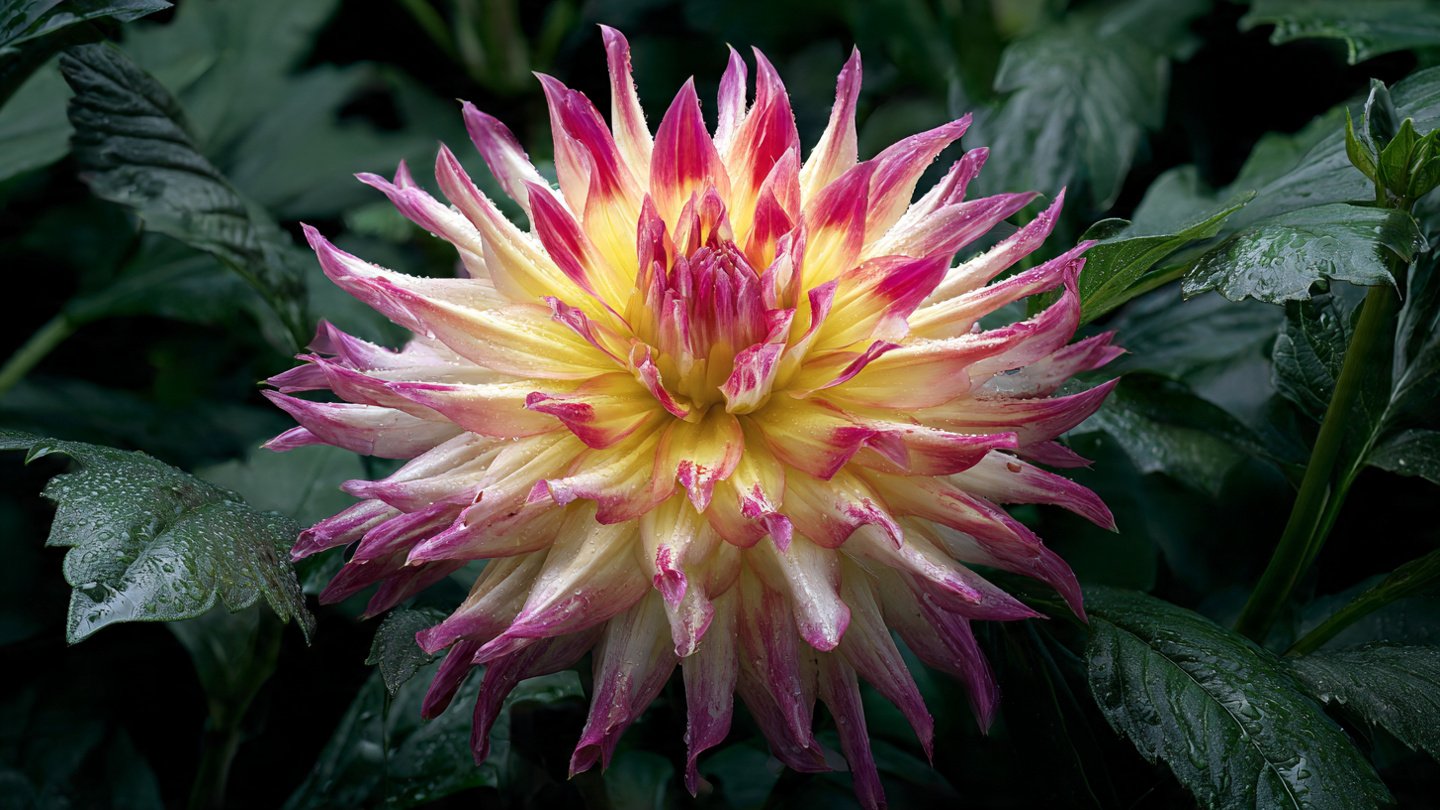
Dahlias are among the most beloved garden flowers due to their vibrant colors and stunning shapes. However, as any gardener knows, they can sometimes exhibit signs of distress, including yellowing leaf tips. Understanding the underlying causes of this phenomenon is crucial for maintaining healthy plants. In this article, we will explore the various reasons why the tips of your dahlia leaves may be turning yellow and outline effective solutions to remedy the situation.
1. Nutrient Deficiencies
One of the primary reasons for yellowing leaf tips in dahlias is nutrient deficiency. Dahlias are heavy feeders, meaning they require a significant amount of nutrients to thrive. When these nutrients become limited in the soil, plants display symptoms such as yellowing leaves.
Common Nutrient Deficiencies
Two main nutrients often responsible for yellowing tips are nitrogen and magnesium:
- Nitrogen: A deficiency in nitrogen typically causes older leaves to turn yellow, starting at the tips and moving inward.
- Magnesium: Magnesium deficiency often starts with yellowing in the older leaves, leading to a condition known as interveinal chlorosis (yellow between leaf veins).
Solutions
To correct nutrient deficiencies, consider applying a balanced fertilizer high in nitrogen during the growing season. Soil tests can also help determine specific nutrient needs, allowing gardeners to amend their soil accordingly.
2. Overwatering
Overwatering is another common issue that can lead to yellowing leaf tips. Dahlias prefer well-drained soil and can suffer if they sit in waterlogged conditions. Too much water can drown the roots, resulting in poor nutrient uptake and stress on the plant.
Signs of Overwatering
Look out for the following signs:
- Yellowing leaves, particularly at the tips.
- Wilting, despite wet soil.
- Soggy soil and root rot.
Solutions
To remedy overwatering, allow the soil to dry out between watering and ensure your dahlias are planted in well-draining soil. Consider adding organic materials like compost to improve drainage. If root rot is detected, you may need to repot the plant or adjust your watering schedule.
3. Underwatering
While overwatering is a common issue, underwatering can also cause yellowing tips. Dahlias need consistent moisture; failing to provide adequate water can lead to stress, causing leaves to yellow and eventually drop.
Signs of Underwatering
Indications of underwatering may include:
- Crispy or dry leaf edges.
- Wilting leaves.
- Brown, dry spots on leaves.
Solutions
Regularly check the soil moisture and provide adequate watering. Aim to keep the soil slightly moist but not waterlogged. Consider applying mulch around the base of the plants to help retain soil moisture.
4. Pests and Diseases
Insects and diseases can also be culprits behind yellowing leaves in dahlias. Common pests include aphids, thrips, and spider mites, which can sap the leaves’ vitality, leading to discoloration.
Pests and Symptoms
Pests usually exhibit the following symptoms:
- Distorted or curling leaves.
- Sticky residue (honeydew) on leaves.
- Visible pests on the plant.
Diseases like powdery mildew can also lead to yellowing leaves, especially under humid conditions.
Solutions
Check your plants regularly for insects. Insecticidal soap can effectively control many pests. For diseases, ensure good air circulation around the plants and remove any affected leaves. Consider fungicide treatments if powdery mildew becomes a recurring issue.
5. Environmental Stress
Dahlias are sensitive to environmental factors such as extreme temperatures and sunlight exposure. High heat can lead to leaf scorch, while cooler temperatures can shock the plant.
Environmental Stress Symptoms
Signs of environmental stress include:
- Yellowing leaves during high heat.
- Wilting or drooping leaves.
- Leaf edges turning brown.
Solutions
Provide some shade during the hottest part of the day to help mitigate heat stress. In cooler temperatures, consider using row covers to protect dahlias from temperature fluctuations.
Conclusion
While yellowing leaf tips in dahlias may seem alarming, the causes range from nutrient deficiencies to environmental stressors. Identifying the underlying issue is essential for providing the right care. Regular monitoring, appropriate watering habits, and soil management can help ensure your dahlias remain vibrant and healthy. By taking the time to understand the needs of your plants, you can enjoy a flourishing garden filled with these beautiful blooms.
FAQs
1. How often should I water my dahlias?
Water dahlias deeply once a week, allowing the soil to dry out slightly between waterings. However, adjust based on local climate and rainfall.
2. Can I use any fertilizer for my dahlias?
A balanced fertilizer with higher nitrogen is generally recommended for dahlias, especially during the growing season.
3. What should I do if my dahlias have pests?
Inspect and manually remove pests when possible. Use insecticidal soap or neem oil for effective pest control if the infestation is severe.
4. How can I tell if my dahlias are overwatered or underwatered?
Overwatered dahlias typically have yellow tips, wilting leaves, and soggy soil. Underwatered dahlias may have crispy leaf edges and dry, wilting leaves.
5. Are there specific diseases I should watch for in dahlias?
Yes, be on the lookout for powdery mildew and root rot. Ensure good air circulation and avoid water on the leaves to help prevent these issues.