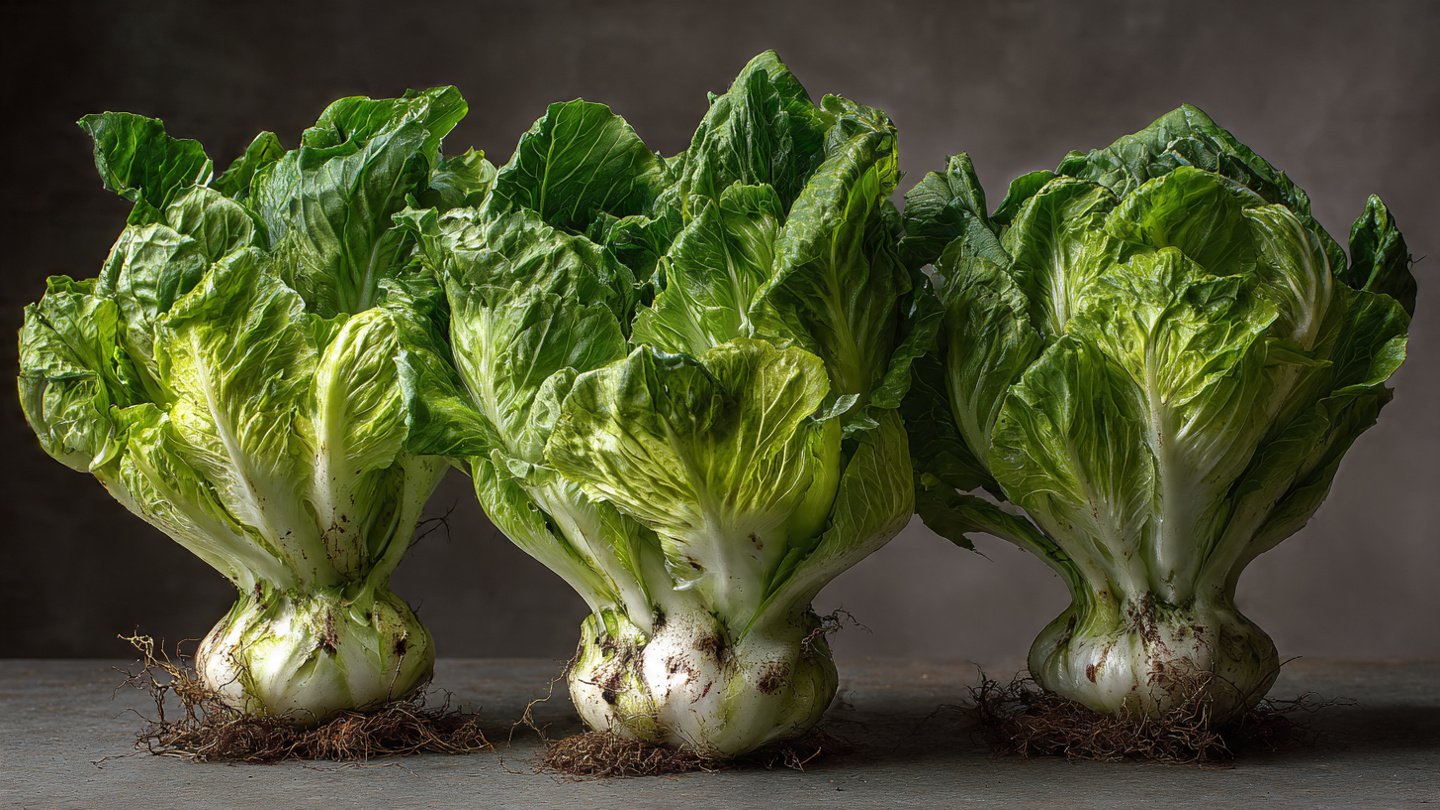
Endive is a leafy vegetable known for its slight bitterness and unique texture, making it a popular choice in gourmet dining. Often overshadowed by other greens, it holds a special place in both salads and cooked dishes. If you’re an aspiring chef or a home cook looking to elevate your meals, growing your own endive can be a rewarding venture. This guide will delve into the secrets of cultivating impressive heads of endive that will impress any palate.
Understanding Endive
Endive belongs to the chicory family and is classified primarily into two categories: curly endive (frisée) and Belgian endive (witloof). Each type has distinct flavors and culinary uses. For our purpose, we will focus on the growing techniques that apply to both types, emphasizing soil health, watering, and timing.
Choosing the Right Variety
Selecting the right variety of endive is crucial for successful growth. Here are some popular options:
- Belgian Endive: Known for its tight, boat-shaped heads and creamy, light flavor.
- Curly Endive: Characterized by its frilled leaves and bitingly crisp texture, perfect for salads.
Choosing a variety that suits your climate and growing conditions will set the stage for thriving plants.
Preparing the Soil
Endive thrives in well-drained, fertile soil. Here are steps you can take to prepare the ideal growing medium:
- pH Level: The soil should have a pH between 6.0 and 7.0. Conduct a soil test to determine where your soil stands.
- Organic Matter: Incorporate plenty of organic matter, such as compost or aged manure, to boost nutrition and improve soil structure.
- Drainage: Ensure good drainage to prevent root rot. If the soil is heavy or clay-like, consider building raised beds.
Sowing Seeds
Endive seeds can be sown directly into the garden or started indoors. Follow these guidelines for successful sowing:
- Timing: Sow seeds in early spring or late summer for fall harvest. In warmer climates, sow in autumn for winter growth.
- Seed Depth: Plant seeds about ½ inch deep, spaced 6-12 inches apart to allow for growth.
- Thinning: Once seedlings emerge, thin them to ensure adequate space for each plant to develop.
Watering Regimen
Endive plants require consistent moisture, especially during dry spells:
- Frequency: Water regularly to maintain moist soil, avoiding waterlogging.
- Mulching: Apply organic mulch to retain soil moisture and suppress weeds.
Sunlight and Temperature Requirements
Endive prefers full sun but can tolerate partial shade, particularly during hotter months:
- Sun Exposure: Aim for at least 6 hours of direct sunlight daily.
- Temperature Range: Ideal growing temperatures are between 60°F to 70°F (15°C to 21°C).
- Protection from Heat: In hotter climates, consider shade cloth during peak sun hours to prevent bolting.
Pest and Disease Management
Like all vegetables, endive is susceptible to a range of pests and diseases. Implement preventive measures to safeguard your crop:
- Common Pests: Aphids, slugs, and snails can be troublesome. Use organic pest control methods if infestations occur.
- Diseases: Fungal infections like downy mildew can affect growth. Practice crop rotation and good sanitation to prevent outbreaks.
Harvesting Your Endive
Knowing when to harvest is vital for flavor and texture:
- Timing: Harvest curly endive when the leaves are well-formed but before they begin to flower. For Belgian endive, wait until the heads are firm.
- Method: Use a sharp knife to cut the plants at the base, ensuring not to damage neighboring plants.
Post-Harvest Handling
Endive has a crisp texture that can wilt quickly without proper care:
- Storage: Store harvested endive in a cool, moist environment, ideally in the refrigerator.
- Preparation: Wash and dry thoroughly before using in recipes to maintain quality.
Cooking with Endive
Endive is versatile and can be used in various culinary applications:
- Raw: Use fresh leaves in salads for added crunch and flavor.
- Cooked: Grill, braise, or sauté endive for a delicious side dish.
Conclusion
Growing huge heads of endive for gourmet meals is within reach when you follow the right strategies. From soil preparation to harvesting, each step plays a critical role in producing quality endive. By choosing the right variety, maintaining optimal growing conditions, and taking care of pest management, you can enjoy homegrown endive that elevates your culinary creations.
FAQs
1. How long does it take to grow endive?
Endive typically takes about 70 to 100 days from planting to harvest, depending on the variety and growing conditions.
2. Can endive be grown in containers?
Yes, endive can be successfully grown in containers. Ensure the container has excellent drainage and is large enough (at least 8-12 inches deep).
3. What should I do if my endive starts to bolt?
If your endive begins to bolt, it’s best to harvest it immediately as the leaves will become bitter. Adjusting watering and sunlight exposure may help prevent future bolting.
4. Is endive an annual or perennial crop?
Endive is typically grown as an annual crop, as it completes its life cycle in one growing season.
5. How can I improve the flavor of my endive?
Growing endive in cooler weather (spring or fall) can improve its flavor. Additionally, practice proper care and watering techniques to enhance growth quality.