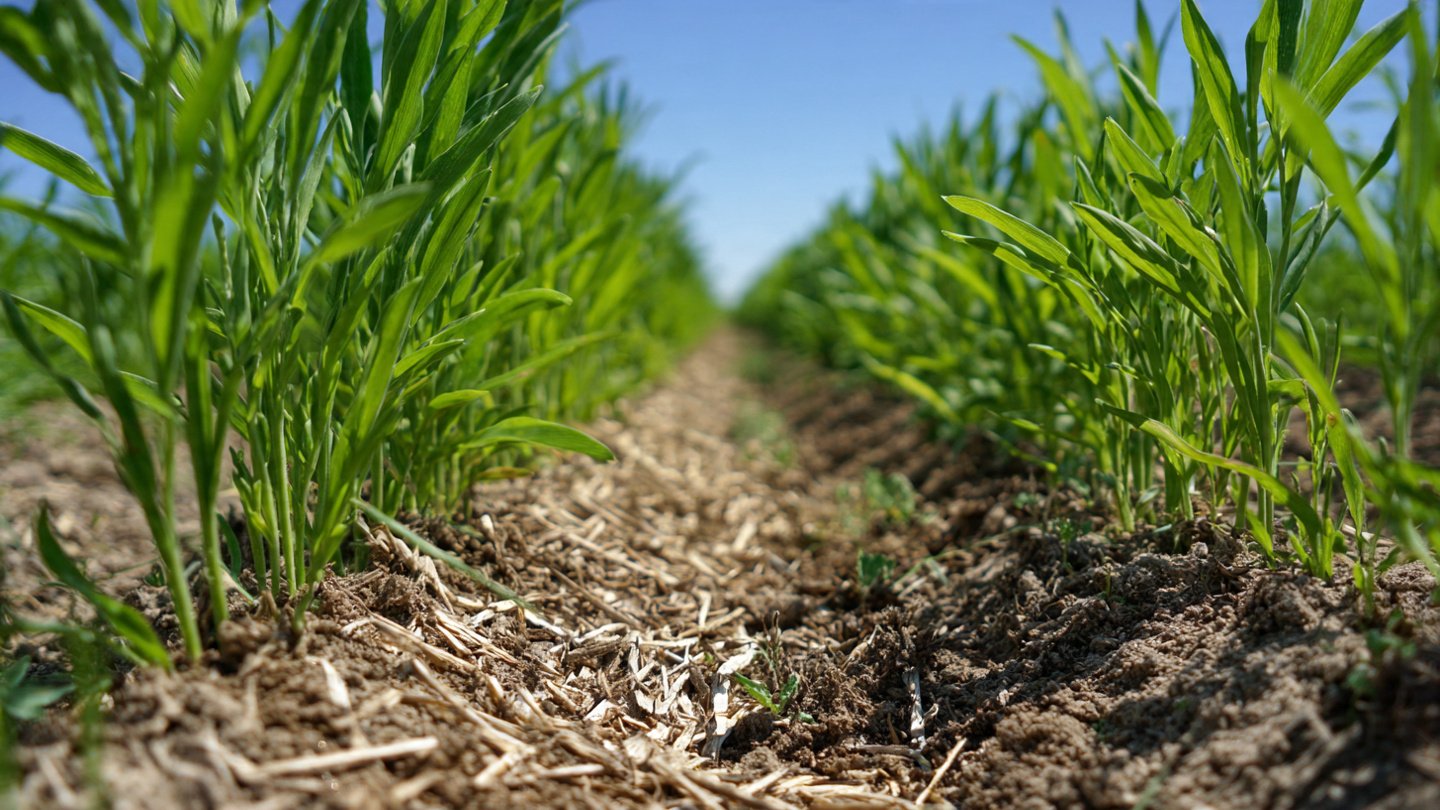
In modern agriculture, the quest for sustainable and productive farming methods is ever-present. One such strategy gaining momentum is the use of cover crops. These crops, sown between main cropping seasons, offer a plethora of benefits that can transform seed beds and enhance overall plant growth. In this article, we will explore how cover crops work, their advantages, types, and practical application in transforming seed beds for better agricultural productivity.
Understanding Cover Crops
Cover crops are plants that are grown primarily to prevent soil erosion, suppress weeds, enhance soil fertility, and improve its structure. Unlike cash crops that are harvested for profit, cover crops serve as a protective layer to the soil. Common examples include clover, rye, vetch, and buckwheat. They are often grown during off-seasons when main crops are not planted, maximizing land usage and providing various ecological benefits.
Benefits of Cover Crops in Seed Bed Transformation
Integrating cover crops into your farming system can drastically improve the condition of seed beds. This transformation can be attributed to several key benefits:
1. Soil Structure Improvement
Cover crops enhance soil structure by improving aggregate formation, which leads to better water infiltration and root penetration. Their root systems help create channels in the soil, allowing air and water to move more freely. This aeration promotes healthier soil microbiomes and root development for subsequent crops.
2. Nutrient Cycling
Many cover crops, especially legumes, are capable of fixing nitrogen from the atmosphere. This natural process enriches the soil with nutrients, particularly nitrogen, which is often a limiting factor for plant growth. As these plants die and decompose, they release nutrients back into the soil, improving its fertility and reducing the need for chemical fertilizers.
3. Weed Suppression
Cover crops can significantly reduce the growth of weeds by outcompeting them for space, light, and nutrients. A strong cover crop canopy can effectively shade the ground, making it difficult for weed seeds to germinate. This leads to reduced weed pressure in subsequent main crops, saving time and labor costs associated with weed management.
4. Erosion Control
Soil erosion is a major concern in agriculture, especially in high-rainfall areas. Cover crops help to stabilize the soil with their extensive root systems, reducing runoff and preventing soil loss. Keeping the soil intact ensures that the seed bed remains rich and fertile for planting.
5. Moisture Retention
Cover crops play a crucial role in improving soil moisture retention. Their organic matter increases the soil’s water-holding capacity, which is essential during dry spells. Maintaining adequate moisture levels leads to healthier seed beds and better germination rates for main crops.
Choosing the Right Cover Crops
Not all cover crops are created equal; choosing the right variety is essential for maximum benefit. Consider the following factors:
- Climate: Different species thrive in various climatic conditions. Always choose cover crops suited to your region’s climate.
- Soil Type: Understanding your soil type is vital in selecting the appropriate cover crop. Some species are better suited for sandy soils, while others flourish in clay-rich environments.
- Purpose: Determine the primary goal of incorporating cover crops—whether it’s for soil improvement, weed suppression, or moisture retention. Different crops will suit different objectives.
Effective Application Practices
To achieve optimal results with cover crops, farmers should consider the following practices:
1. Timing
Timing is critical. Ideally, cover crops should be planted as soon as the main crop is harvested. Late summer to early fall is often the best time for sowing cover crops to ensure they establish before winter.
2. Termination
Proper termination of cover crops before planting the main crop is essential. This can be done through mowing, tilling, or the use of herbicides. Timing the termination correctly ensures that the cover crop biomass can be incorporated into the soil without competing with the main crop.
3. Diversity
Using a mix of cover crop species can enhance the overall benefits. Diverse cover crops improve nutrient cycling, enhance pest control, and boost soil health. For example, a mixture of legumes and grasses can provide both nitrogen and organic matter to the soil.
Challenges and Considerations
Although cover crops have numerous benefits, there are challenges to consider:
- Costs: There is an initial investment for seed and management which some farmers may find prohibitive.
- Management: Additional management practices may be required, especially if cover crops need to be terminated strategically.
- Climate Conditions: In arid or very wet climates, finding the right balance can be difficult.
Conclusion
Cover crops hold significant potential to transform seed beds for better crop growth. By improving soil health, enhancing nutrient cycling, preventing erosion, and suppressing weeds, cover crops can lead to more productive and sustainable agriculture. While there are challenges associated with their use, the long-term benefits often outweigh the costs. For farmers looking to innovate and enhance their farming practices, integrating cover crops into their system can be a game-changing strategy.
FAQs
1. What types of cover crops are best for my area?
The best cover crops depend on your specific climate and soil type. Popular options include clover, rye, and buckwheat. Consulting with local agricultural extension services can provide tailored recommendations.
2. How do cover crops affect my main crops?
Cover crops can improve soil conditions, leading to better growth of main crops. They can enhance nutrient availability and moisture retention, resulting in healthier plants and higher yields.
3. Can cover crops be used in organic farming?
Yes, cover crops are commonly used in organic farming as a sustainable method to improve soil health, suppress weeds, and enhance biodiversity without chemical inputs.
4. When should I plant and terminate cover crops?
Plant cover crops after harvesting the main crop, ideally in late summer or early fall. Terminate them a few weeks before planting the next main crop to allow for decomposition and soil incorporation.
5. Will cover crops require additional management?
While cover crops can be beneficial, they do require management. This includes monitoring growth, timing of termination, and ensuring they do not compete with main crops.