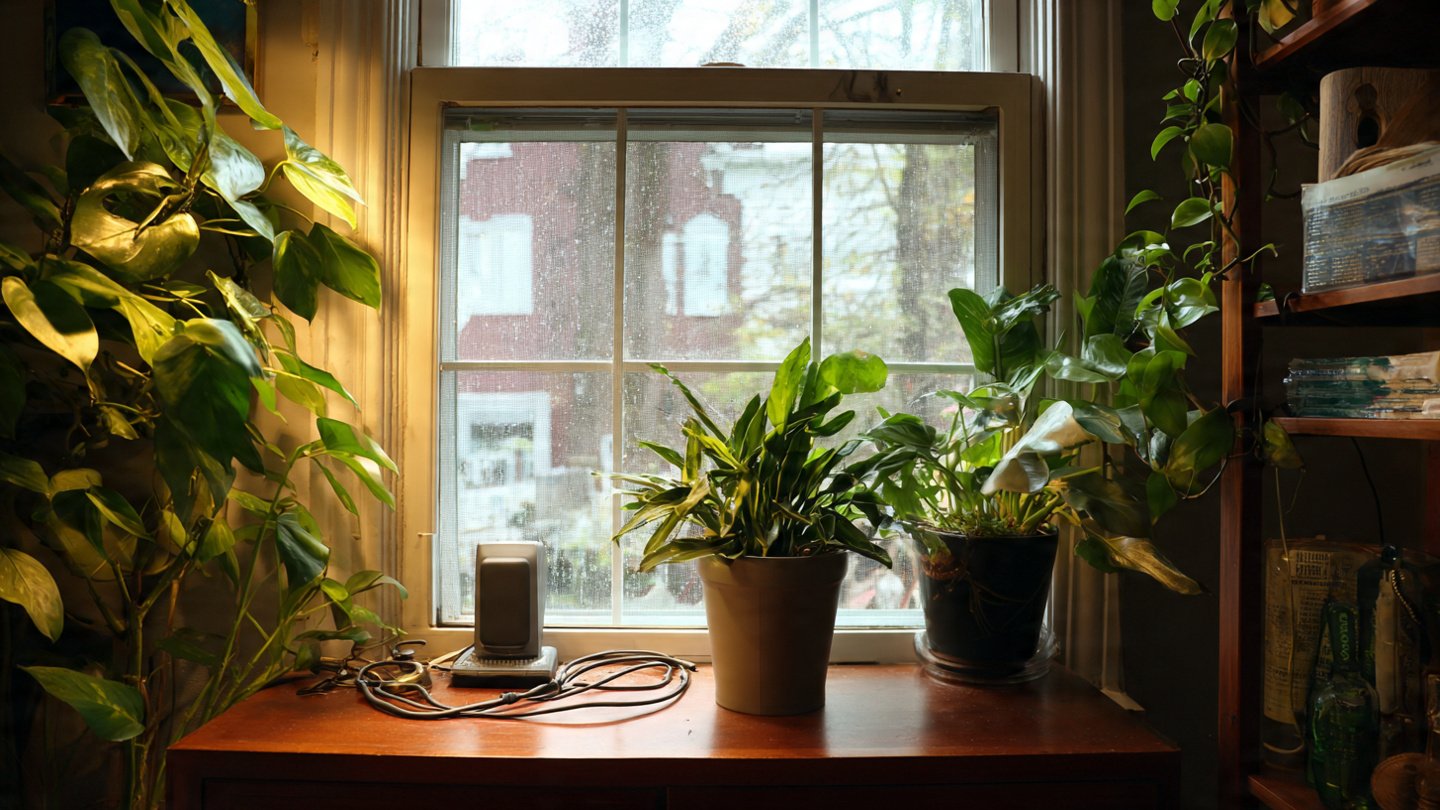
In today’s digital age, our homes are filled with various electronic devices that make our lives easier but can also clutter our living spaces. From charging cables to computer wires, these items can detract from the aesthetic appeal of our interiors. Fortunately, houseplants offer a natural and visually appealing solution to this problem. By strategically placing greenery throughout your home, you can effectively conceal cords and electronics while enhancing the overall ambiance.
The Aesthetic Benefits of Houseplants
Houseplants are well-known for their ability to bring life and vibrancy into indoor environments. They not only improve air quality but also create a soothing atmosphere. When used creatively, they can serve as decorative elements that draw the eye away from unsightly cords and gadgets.
1. Distracting the Eye
One of the simplest ways houseplants can help is by serving as distractions. A large potted plant can occupy space that would otherwise be filled with tangled cords. When guests enter a room, their attention can be diverted toward the lush greenery rather than the technical clutter lingering in the corners.
2. Creating Layers and Depth
Incorporating varying heights of plants can create visual layers in a room. Use taller plants to obscure cords that might be lying on the floor or low tables. This not only enhances the aesthetic appeal but also introduces depth into your interior design. Plants like fiddle leaf figs or rubber trees can be particularly effective for this purpose.
3. Enhancing Color and Texture
Houseplants add color and texture, softening the hard edges of electronic devices. The vibrant greens of plants can contrast beautifully against the metallic and plastic surfaces of technology. Consider using leafy plants like pothos or peace lilies to complement your decor while hiding cables in plain sight.
Practical Tips for Hiding Cords with Houseplants
Now that we understand the benefits of using houseplants, let’s explore practical ways to strategically place them to hide unsightly cords and electronics.
1. Strategic Placement
Identify key areas where cords are most visible, such as behind televisions, on desks, or at charging stations. Position plants in front of these electronic devices. Placing a tall plant in the corner or grouping smaller plants together can create a natural barrier while drawing attention away from the clutter.
2. Use Planter Stands
Planter stands can elevate your plants and help conceal cords on the ground. By choosing stands that complement your furniture, you can seamlessly integrate the greenery into your space while effectively hiding electronic wires. Just ensure that the cord can be routed through the stand without being overtly visible.
3. Incorporate Wall Planters
Wall planters are an excellent way to save space and create a unique visual effect. By mounting plants on walls, you can free up surface areas that may otherwise attract cords. Use trailing plants like string of hearts or ivy that drape elegantly, drawing attention away from electronics while adding a lush touch.
4. Create Plant Arrangements
Group smaller plants together in decorative trays or pots to create a layered look. This arrangement can be placed strategically on shelves or tables where cords might be otherwise visible. Consider using a mix of heights and textures to create a visually pleasing composition.
5. Use Cables Concealers
In addition to using plants, you can also invest in cable concealers. These can be painted to match your decor and placed strategically behind or near plants, allowing them to blend in. Combining both methods can create an aesthetically superior approach to hiding clutter.
Choosing the Right Plants
When selecting the best houseplants for this purpose, it’s crucial to choose those that are easy to maintain, as they will be used for decorative purposes. Here are some options that work particularly well:
- Pothos: Its trailing vines are perfect for hiding cords.
- Fiddle Leaf Fig: Tall and dramatic, excellent for blocking larger electronics.
- Snake Plant: Hardy and easy to care for, it provides a striking vertical element.
- Spider Plant: Hardy with long, arching leaves that can drape elegantly.
- Peace Lily: Beautiful flowering plant that adds a touch of elegance and can obscure cables effectively.
Conclusion
Incorporating houseplants into your interior design is not just about aesthetics; it’s a practical solution to hiding electronics and unsightly cords in your home. By choosing the right plants and strategically placing them, you can create a harmonious environment that seamlessly blends technology and nature. Implementing these ideas will create a more inviting and organized space, allowing you to enjoy your electronic devices without the visual clutter.
FAQs
1. How do I choose the best houseplants for my home?
Consider factors such as light availability, maintenance level, and the size of the plant compared to the space you have. Opt for robust plants that suit your environment and lifestyle.
2. What are the best types of plants for hiding cords?
Trailing plants like pothos and spider plants, along with taller options like fiddle leaf figs, are particularly effective for concealing cords.
3. Can I use fake plants to hide cords?
Yes, artificial plants can be used as decor to mask cords. However, real plants offer added benefits like improved air quality and a natural look.
4. How do I maintain the plants while hiding cords?
Choose low-maintenance plants, and position them where they can receive adequate light. Regularly check on their growth and health to ensure they continue to serve their decorative purpose.
5. Are there any specific arrangements that work best?
Layering plants of different heights and textures, grouping them in decorative trays, and using wall planters can effectively enhance your decor while hiding cords.