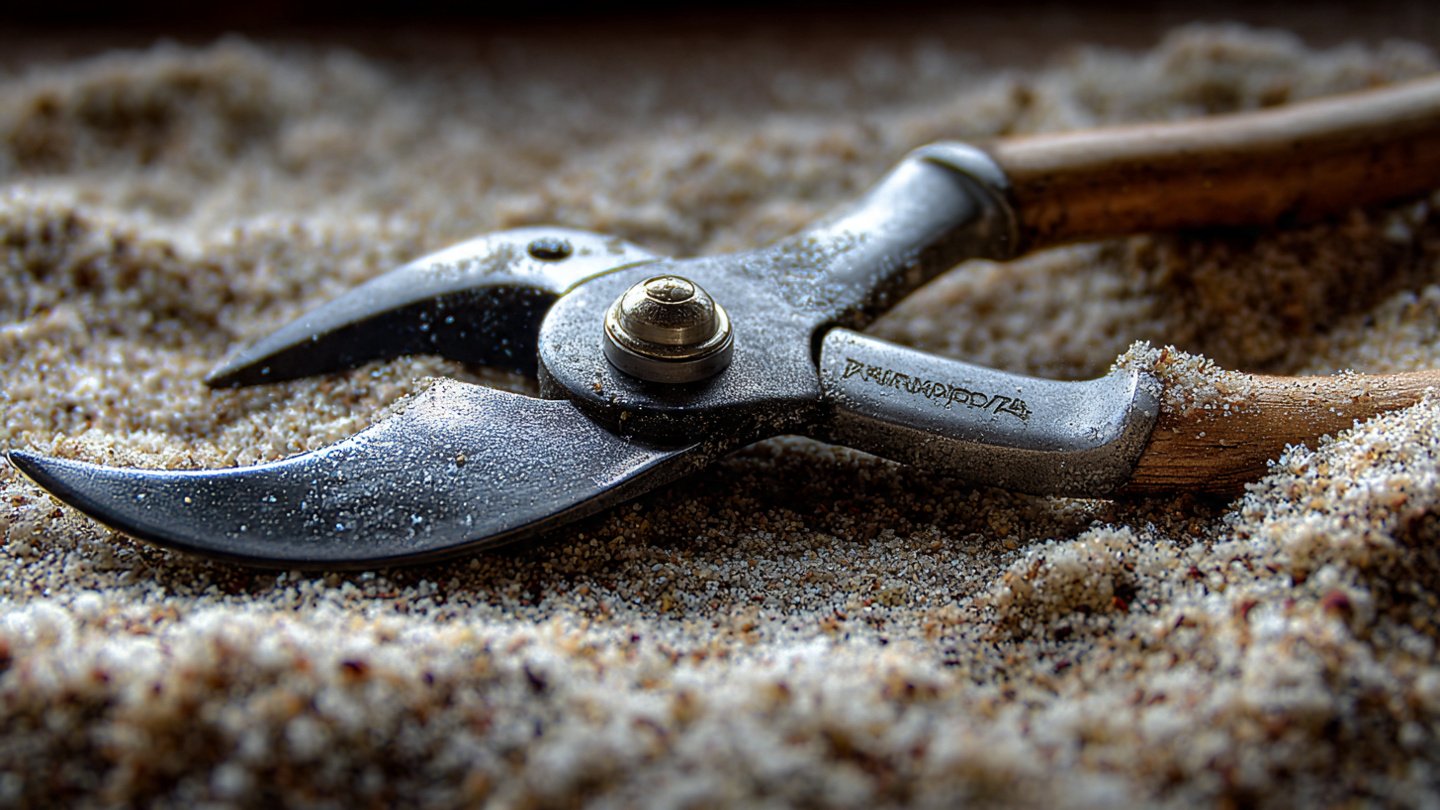
As any seasoned gardener knows, maintaining your gardening tools is key to ensuring a flourishing garden. Pruners, in particular, are essential for cutting back plants and shaping them for optimum growth. However, dull pruners can make the task more difficult and can damage the plants you’re trying to care for. One effective and environmentally friendly method for keeping your pruners sharp is using sand. In this article, we will explore how to use sand as a sharpening tool, along with tips and techniques to ensure your pruners remain in top condition.
Why Use Sand for Sharpening?
Sand has earned its place in the sharpening toolbox for several reasons:
- Availability: Sand is widely available, whether you source it from your backyard or purchase it from a local hardware store.
- Cost-effective: Using sand is an inexpensive method for sharpening tools compared to buying specialized sharpening stones or kits.
- Effective Abrasive: Fine sand serves as a suitable abrasive that can effectively remove material from the blade to restore its edge.
- Eco-friendly: Sand is a natural resource, making it a more environmentally friendly option compared to chemical-based sharpening products.
Tools You’ll Need
Before you get started, ensure you have the following tools and materials:
- Coarse sand
- Fine sand (optional)
- Pruners needing sharpening
- Gloves for protection
- A clean, flat surface
Step-by-Step Guide to Sharpening Pruners with Sand
Step 1: Prepare the Sand
To effectively sharpen your pruners, you will want to use fine sand. If you’re using coarse sand, you can create a mixture for better results. You can place the sand in a container that is stable and easy to work with.
Step 2: Clean Your Pruners
Before sharpening, it’s important to clean your pruners. Remove any dirt or sap. You can do this by wiping them down with a cloth. If needed, a mixture of water and soap can help remove stubborn residues.
Step 3: Start Sharpening
Dip the blade of the pruner into the sand, ensuring that the entire cutting edge is covered. Pull the blade through the sand at an angle that matches its bevel, usually about 20-30 degrees. Repeat this action several times, applying moderate pressure. The sand will act as an abrasive material to chip away the dull edges, bringing back the sharpness of the blade.
Step 4: Inspect the Blade
After several strokes through the sand, wipe off the blade and inspect its edge. You should notice a significant improvement in sharpness. If you still find it dull, repeat the sharpening process until you achieve the desired edge.
Step 5: Clean and Oil the Pruners
Once satisfied with the sharpness, clean your pruners thoroughly to remove any sand residue. An oil application to the pivot points and blades can also keep them in good condition and free from rust.
Additional Tips for Maintaining Sharp Pruners
- Store Properly: Always store your pruners in a dry environment to prevent rust.
- Regular Maintenance: Regularly assess the sharpness of your pruners. A quick sanding after every few uses can extend their life.
- Avoid Cutting Pruners: Do not use pruners to cut materials that are too tough, such as wire, as this can damage the blade.
- Use Right Technique: Ensure you’re using the appropriate technique while cutting; improper use can lead to blunt blades more swiftly.
Conclusion
Sharpening your pruners with sand is a practical and effective method that any gardener can adopt. This simple technique not only saves you money but also ensures that your gardening tools remain sharp and ready for action. By regularly maintaining your pruners and following the steps outlined above, you can enhance their longevity and performance, leading to healthier and more beautiful plants in your garden. Remember, a sharp tool is a safe tool—so keep those pruners sharp for the best results!
FAQs
1. Can I use any type of sand for sharpening?
While coarse sand can be used, fine sand is more effective as it provides a smoother sharpening effect. If available, a mix of both can yield optimal results.
2. How do I know when my pruners need sharpening?
If you notice that your pruners are struggling to cut through stems and branches cleanly, or if you see frayed edges on your cuts, it’s time to sharpen them.
3. Are there any risks in sharpening my pruners with sand?
As long as you follow the steps carefully and wear gloves for protection, there are minimal risks. Just ensure that you clean off the sand thoroughly after sharpening to avoid any future residue problems.
4. How often should I sharpen my pruners?
The frequency of sharpening depends on usage. If you use pruners regularly, a quick sharpening every few uses will help maintain their sharpness.
5. What type of oil should I use after cleaning my pruners?
A lightweight mineral oil or specialized tool oil is recommended for lubricating the moving parts of your pruners to prevent rust and ensure smooth operation.